
The useful thing about an energy ceasefire is that it is unusually easy to audit. Nobody has to interpret intent or parse a communique. You simply walk to the substation and see whether it is still a substation. By that test, the agreement announced to spare Ukraine’s power system and Russia’s refineries had a working life measured in days. Kyiv says at least six Ukrainian energy targets were struck after the announcement, and Ukraine’s foreign minister put the first violation almost immediately after the ink was notionally dry.
Context matters here, because this was never a ceasefire in the ordinary sense. It was a narrow commercial arrangement dressed in diplomatic clothing: stop hitting the things that generate electricity and refine fuel, and leave the rest of the war where it is. Both sides had reasons to want it. Russia’s refining capacity has been taking repeated damage and its domestic diesel market has felt it. Ukraine goes into winter with a grid that has been rebuilt, rebombed and rebuilt again, where every megawatt is a question of whether hospitals and water pumps stay on in January. A deal that protected both sets of infrastructure looked, on paper, like the rare arrangement where self-interest and humanity pointed the same way.
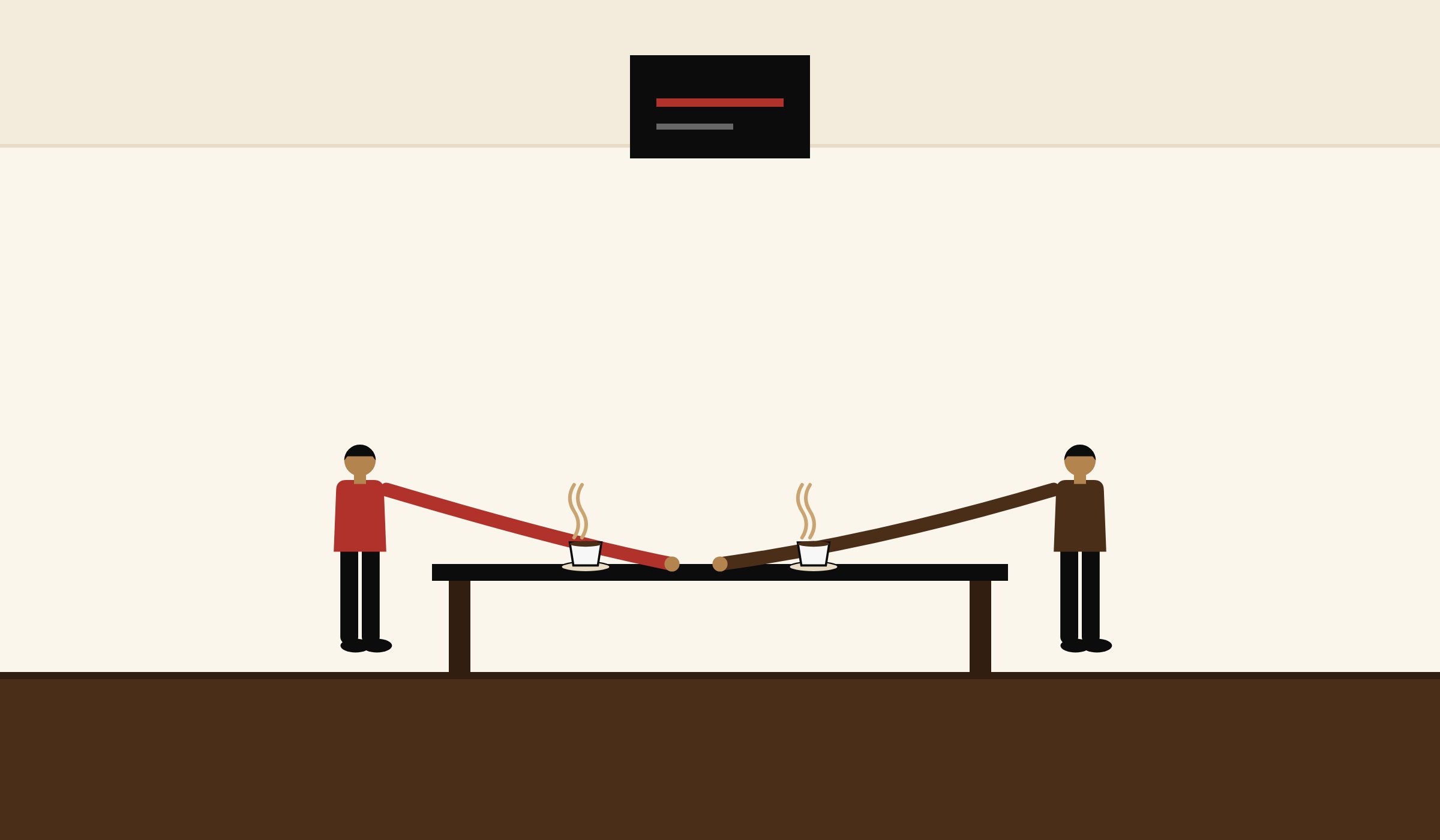
Which is exactly why it collapsed. Anyone who has ordered an espresso and been handed a cup that has been sitting on the hotplate since breakfast knows the feeling. The cup is correct. The colour is correct. The label on the machine says espresso. What is missing is the only thing that made it worth ordering, which is heat and pressure applied at the moment of extraction. An agreement works the same way. It is not the document that holds; it is the enforcement applied at the moment of the breach. Serve it lukewarm and nobody is fooled for long, least of all the person who drinks it every morning.
The European response tells you how Brussels read the temperature. Rather than treat the violations as a technical hiccup to be managed quietly, the Commission moved on fresh measures and began assembling what would be its twenty-second sanctions package against Russia, with Ursula von der Leyen stating plainly that the ceasefire had not held and that the EU would not be easing restrictions ahead of an actual end to the war. That is a deliberate decoupling. Washington’s diplomatic track and Europe’s economic track are now running in opposite directions on the same calendar, and both sides are aware of it.
The insight buried in this is about what a ceasefire is actually for. These narrow infrastructure deals are not peace. They are price agreements. Protecting refineries stabilises the global diesel market, and protecting grids keeps a population in place rather than moving west. Both outcomes are worth money to third parties who are not at the table, which is why third parties keep showing up with proposals. The trouble with a price agreement between two combatants is that it holds only while both believe the deal is cheaper than the next strike. Ukrainian officials have been openly unapologetic about continuing to hit Russian refining, on the simple logic that refining is where the war is funded. Russia appears to have made a comparable calculation about Ukrainian generation. Neither party priced the agreement above the target.
So the grid stays a front line, Brussels keeps the sanctions machinery warm, and the word ceasefire acquires one more qualifier. Winter, meanwhile, is not negotiating with anyone. It arrives on schedule, it does not issue statements, and it has never once been talked down from a position.
Source: Reuters, “Ukraine accuses Russia of violating Trump’s energy ceasefire as EU imposes new sanctions”
