The Sentence Before The Argument
Researchers in Oregon have tested what happens when public health messaging stops opening with the evidence and opens instead with the audience's own values, including an explicit acknowledgement of their distrust. The result was a measurable increase in openness...
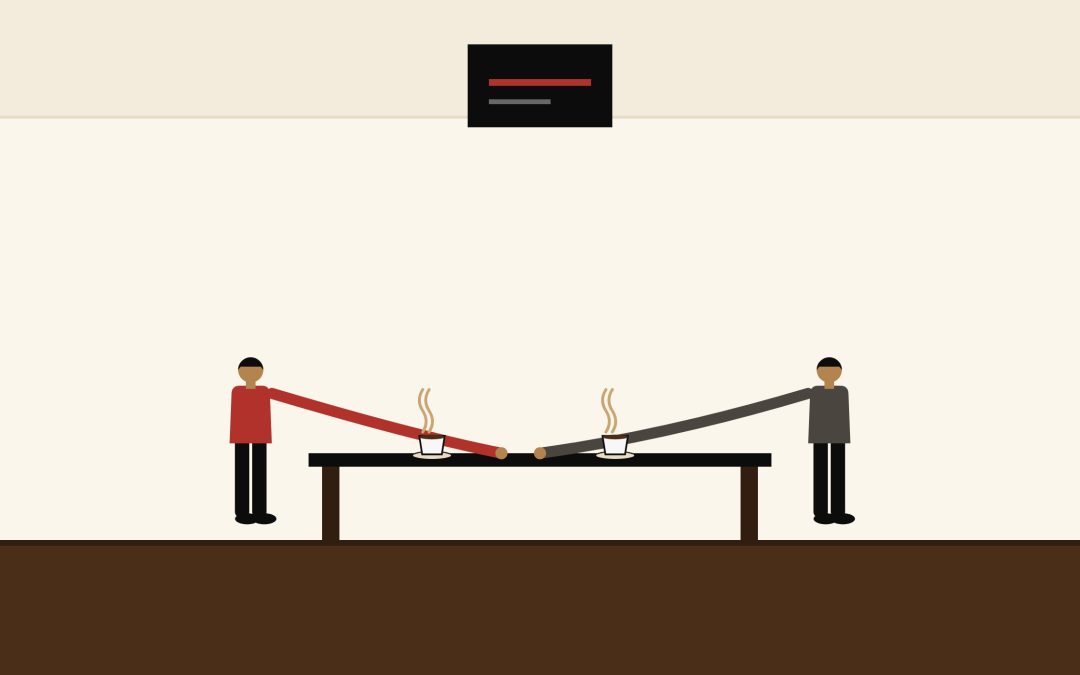
The Sentence Before The Argument
An Oregon study finds affirming people’s values and acknowledging their distrust raises openness among vaccine-hesitant adults. The mechanism transfers.
The Tell Arrives Before The Tab
In mild to moderate alcohol use disorder, risk-taking behaviour rises first and heavier drinking follows, reversing the assumed order of cause and effect.
Longer, Smoother, No Further
A Cornell Tech study of 1.5 million Change.org petitions finds AI assistance changed how petitions were written without changing whether they won.
The Skipped Lunch Orders The First Round
Research finds hunger activates the same brain neurons that drive alcohol craving, giving a direct mechanism from a missed meal to a drink.
The Room Everyone Thinks Is Empty
A global survey finds 81% say science benefits them personally, while far fewer believe their countrymen agree. The private verdict is warm. The imagined one is cold.
The Pattern That Held For A Century Just Flipped
A national MUSC study finds US adolescent girls now vaping at higher rates than boys, reversing a sex pattern that has held in tobacco for decades.
The Quietest Thing In The Building
A study finds around six in ten people with high blood pressure do not know they have it. The condition is not hiding. Nobody is looking.
The Body Files Its Paperwork Early
Blood antibody patterns can flag inflammatory bowel disease up to ten years before diagnosis, opening a treatment window that did not previously exist.
Nobody Decided Late
A new Freeman trends report finds late registration is really late decision-making, with attendees and exhibitors now leaning on people and AI to find events.
The Sentence Before The Argument
An Oregon study finds affirming people’s values and acknowledging their distrust raises openness among vaccine-hesitant adults. The mechanism transfers.
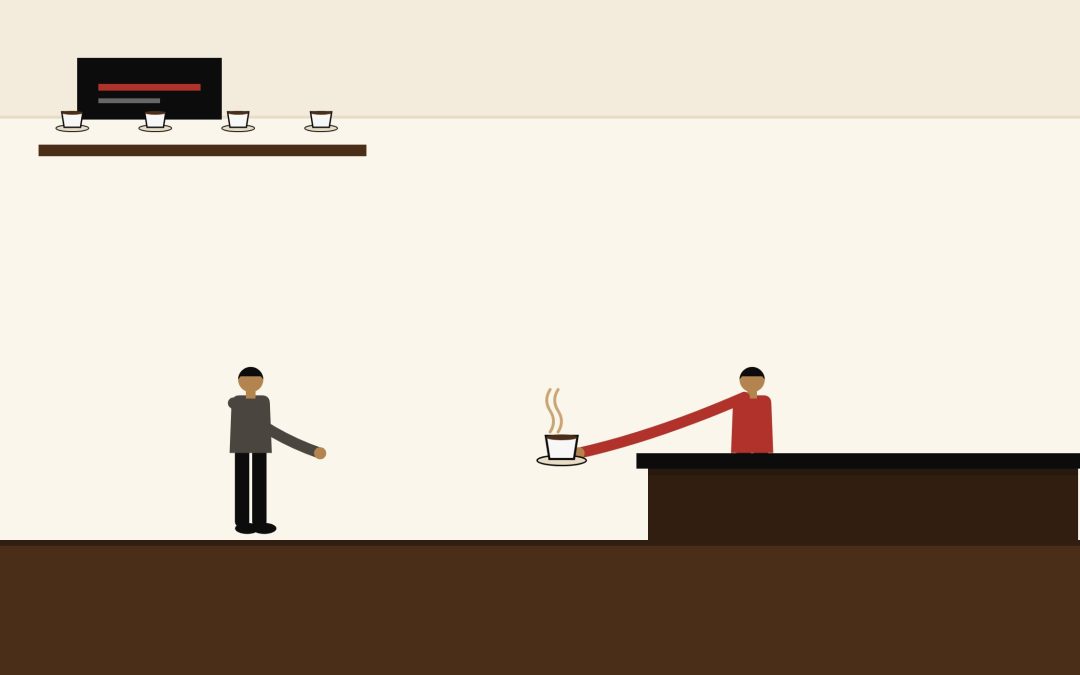
The Tell Arrives Before The Tab
In mild to moderate alcohol use disorder, risk-taking behaviour rises first and heavier drinking follows, reversing the assumed order of cause and effect.
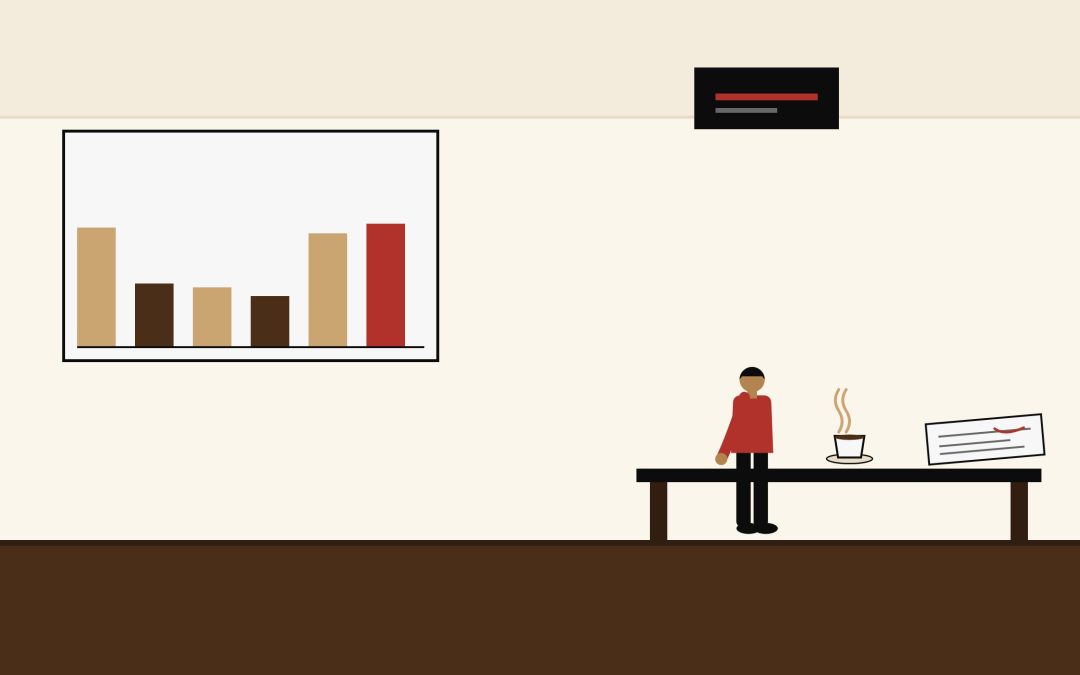
Longer, Smoother, No Further
A Cornell Tech study of 1.5 million Change.org petitions finds AI assistance changed how petitions were written without changing whether they won.
The Skipped Lunch Orders The First Round
Research finds hunger activates the same brain neurons that drive alcohol craving, giving a direct mechanism from a missed meal to a drink.
The Room Everyone Thinks Is Empty
A global survey finds 81% say science benefits them personally, while far fewer believe their countrymen agree. The private verdict is warm. The imagined one is cold.
The Pattern That Held For A Century Just Flipped
A national MUSC study finds US adolescent girls now vaping at higher rates than boys, reversing a sex pattern that has held in tobacco for decades.
The Quietest Thing In The Building
A study finds around six in ten people with high blood pressure do not know they have it. The condition is not hiding. Nobody is looking.
The Body Files Its Paperwork Early
Blood antibody patterns can flag inflammatory bowel disease up to ten years before diagnosis, opening a treatment window that did not previously exist.
Nobody Decided Late
A new Freeman trends report finds late registration is really late decision-making, with attendees and exhibitors now leaning on people and AI to find events.
Fifteen Years Of Advance Notice
A blood-detectable marker appears up to 15 years before an ALS diagnosis, pointing towards presymptomatic screening in a disease defined by late arrival.
Two Cups On The Same Tray
A UConn relationship study finds that helping a dementia patient measurably supports the spousal caregiver too, because the relationship is the unit of care.
The Paradox Was A Stopwatch Problem
Longer exposure to clinical obesity tracks with roughly twice the volume of brain abnormalities, suggesting the obesity paradox is a measurement artefact.