
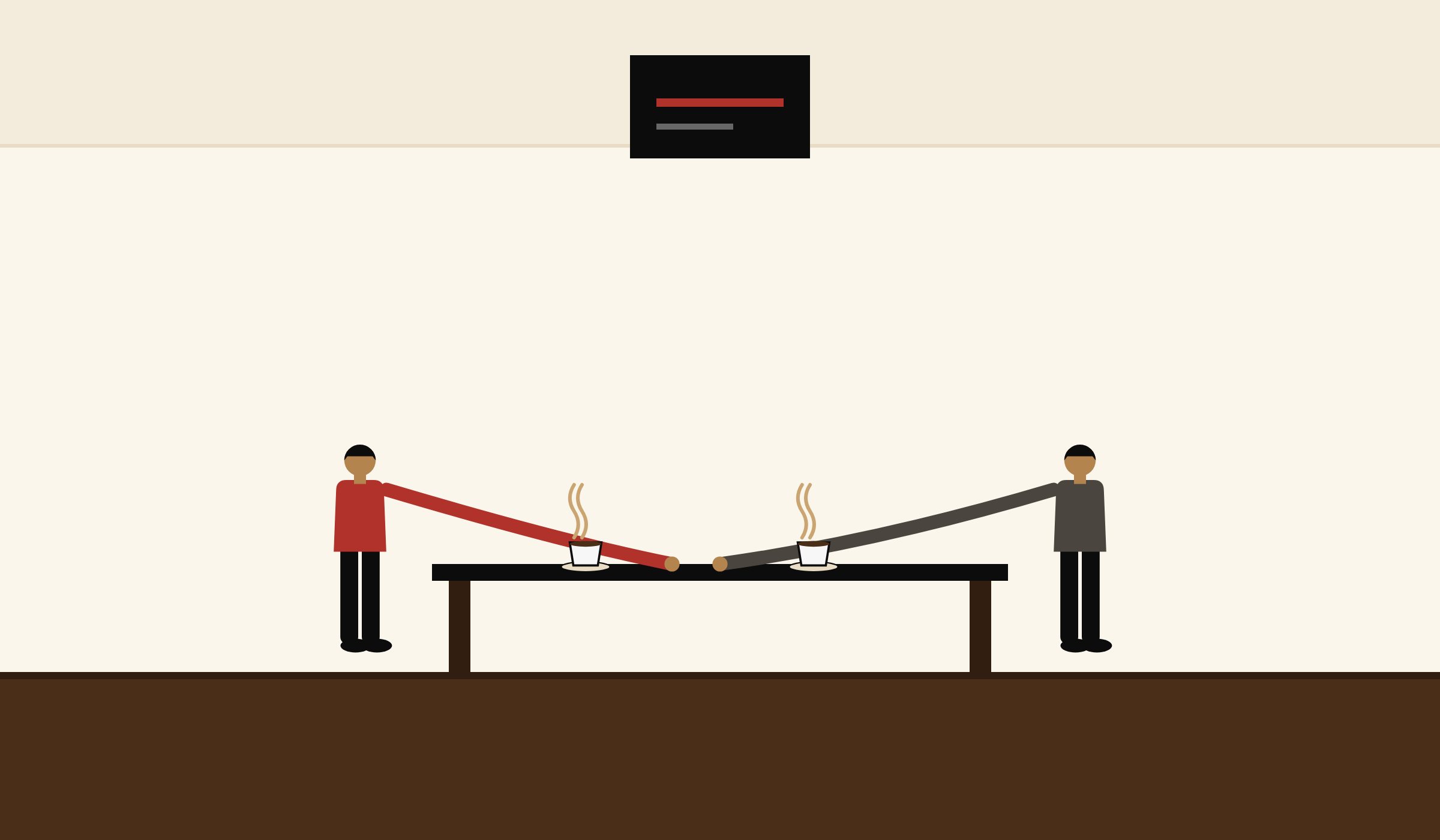
There is a particular kind of meeting where everyone in the room agrees on the enemy and disagrees violently about the invoice. That is roughly where the Western position on Russian refining has landed. Washington has turned sharply on Kyiv’s leadership over Ukrainian strikes on Russian refineries, on the grounds that the strikes are tightening diesel supply at an inconvenient moment on the electoral calendar. Berlin, reading the same map, has been pushing in precisely the opposite direction, pressing for further sanctions on Russia rather than fewer constraints. Two allies, one tap, two hands turning.
The context is not complicated once you follow the fuel rather than the rhetoric. Ukraine’s campaign against Russian refining is the most economically effective thing it has done in two years. Crude in the ground earns nothing. Crude that has been cracked into diesel earns a great deal, and diesel is the product that moves armies, farms and freight. Hitting refineries converts an abstract sanctions argument into a physical shortage inside Russia. Axios reported that an understanding on diesel was reached with Moscow after Kyiv declined requests to stop, and Ukrainian officials made their answer public and unambiguous: the refineries would keep burning. President Zelensky’s response to the arrangement was that this is not how partners behave.
Anyone who has shared a kitchen with a serious coffee drinker recognises the shape of this dispute. One person wants the grind finer, because finer means a slower, denser, more concentrated extraction. The other wants it coarser, because they are the one who has to stand there while the machine labours and the pressure climbs. Both are optimising the same device. They simply disagree about which cost belongs to whom. The argument is never really about the grinder. It is about who is holding the cup and who is paying for the gas.
The insight is that sanctions and strikes are the same instrument operated at different speeds, and allies have quietly stopped agreeing on the tempo. Sanctions are slow, legible and politically survivable at home because the pain arrives diffused across years. Strikes on refining are fast, illegible to voters and brutally efficient, which means the pain arrives inside one quarter and lands on a forecourt price board. Germany’s preference for the slow instrument and Washington’s sudden preference for no instrument at all both reduce to domestic arithmetic. Kyiv, which is not fighting an election against inflation but a war against occupation, has no reason to favour the slow option. It is the only party in the argument for whom time is the scarcest input.
That asymmetry is the real story, and it will outlast this particular row. An alliance can absorb disagreement about values almost indefinitely. What it struggles to absorb is disagreement about discount rates, because that is a disagreement about whose quarter matters. Europe has shown it will keep assembling sanctions packages whatever the diplomatic weather. Washington has shown it will intervene on the price of diesel when the price of diesel becomes a ballot question. Ukraine has shown it will keep striking the thing that funds the war against it. All three positions are internally rational and mutually corrosive.
So the tap stays contested, the refineries stay in range, and the sanctions drafts keep moving through Brussels on their own timetable. The one certainty is that pressure applied by committee produces a worse extraction than pressure applied with intent, and every barista on earth knew that before any of this started.
