
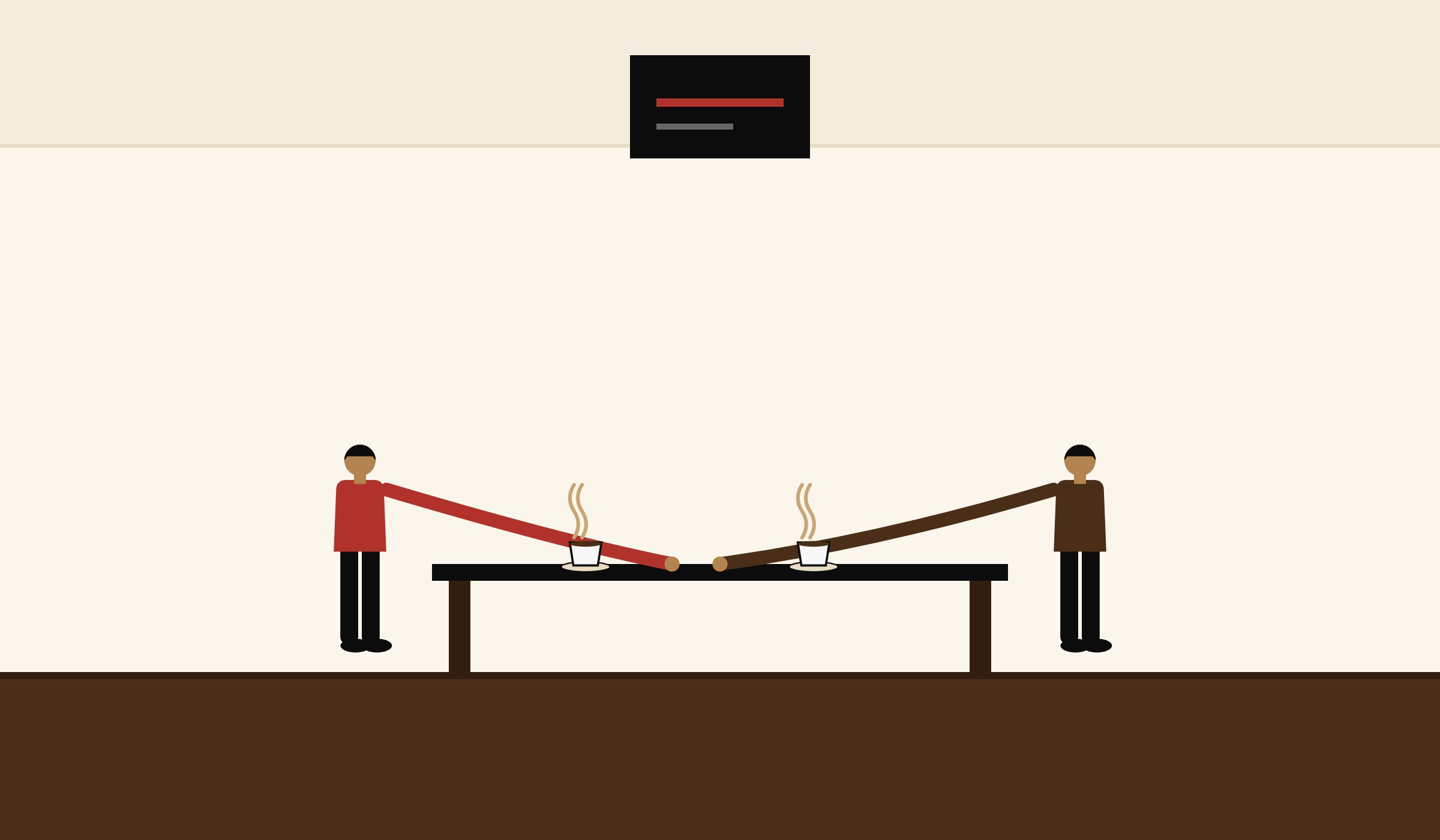
Every trade story this year has been written about the same room. One large negotiation, one set of microphones, one country waiting for another country to decide. Meanwhile, in Ottawa, two delegations sat down for the fifth round of a Comprehensive Economic Partnership Agreement that almost nobody has been following, with the stated intention of finishing the thing by December.
Canada and India are not new to each other. They have circled a trade agreement for well over a decade, and the circling has stopped and started for reasons that had little to do with tariff schedules. What makes this round worth attention is not its novelty but its timing. It is happening while the loudest trade corridor on the continent is jammed, and it is happening with a deadline attached, which in negotiation terms is the difference between a conversation and a transaction.
The agenda is the unglamorous substance of modern trade: goods market access, services, rules of origin, investment protections, the mobility provisions that matter enormously to the people who use them and bore everybody else. None of it generates headlines. All of it generates invoices.
Anyone who has ordered a flat white behind a group of eleven tourists understands the mechanics here. There are two machines on the counter. Everyone is queuing at the first one because it is the one with the sign above it, and the barista at the second machine is standing there, perfectly idle, pulling shots for the three people who thought to look sideways. The coffee is the same. The wait is not. Market access works on exactly this principle, and so does the decision about which negotiation to staff properly.
The insight is that parallel corridors are not consolation prizes. They are the actual mechanism by which trade dependency gets unwound, and they are built in quiet rounds like this one rather than in summits. A country with one dominant trading partner has a relationship. A country with four substantial ones has leverage. The arithmetic does not care whether the fifth round of a bilateral agreement was covered on television, only whether it concluded, and whether the schedules attached to it moved real volumes of lentils, machinery, legal services and software engineers across a border on terms that both sides can defend domestically.
This is also why December matters more than October. Trade negotiations develop a kind of institutional momentum that decays if left alone, and a round that ends with another round scheduled is a round that has not yet decided anything. Both governments have said they want to land it. Both governments have reasons to want a second door that do not need to be said out loud, and the fact that those reasons are obvious does not make them less real.
What makes the Ottawa round genuinely interesting is how little performance is attached to it. There is no crisis framing, no retaliation schedule, no deadline imposed by someone else. Two economies that complement each other more than they compete are trying to write down the terms on which they already do business, and to add the terms on which they would like to do more. That is what trade agreements were for before they became instruments of pressure.
Whether it closes in December is a question of political will on two continents and the stubbornness of agricultural lobbies on both. But the strategic logic is settled already, and it was settled by events elsewhere. When the main counter is backed up, the economies that prosper are the ones that noticed the second machine, walked over, and ordered.
