There is a trade that has run for the better part of two years now and it has a name. TACO, coined by the Financial Times columnist Robert Armstrong, standing for Trump Always Chickens Out. It describes a pattern: escalate, terrify, reverse, claim victory. Traders who learned it stopped selling into geopolitical shocks and started buying them.
It has paid, repeatedly. The tariff wars of 2025. Greenland in January, weeks of threats settling into a vague base agreement. In March, an ultimatum on Iran followed by a declaration of victory before the opening bell moved nearly $2 trillion in minutes. In April, a two-week ceasefire announced two hours before an 8pm deadline lifted $1.5 trillion, with the Nasdaq up 3.55 percent and oil down sixteen percent below $100.
Each successive shock has produced a shallower dip, because the market learns. One trader described the conditions as possibly the most profitable in history for systematic investors. MarketWatch’s question this week is the right one: what if it fails this time.
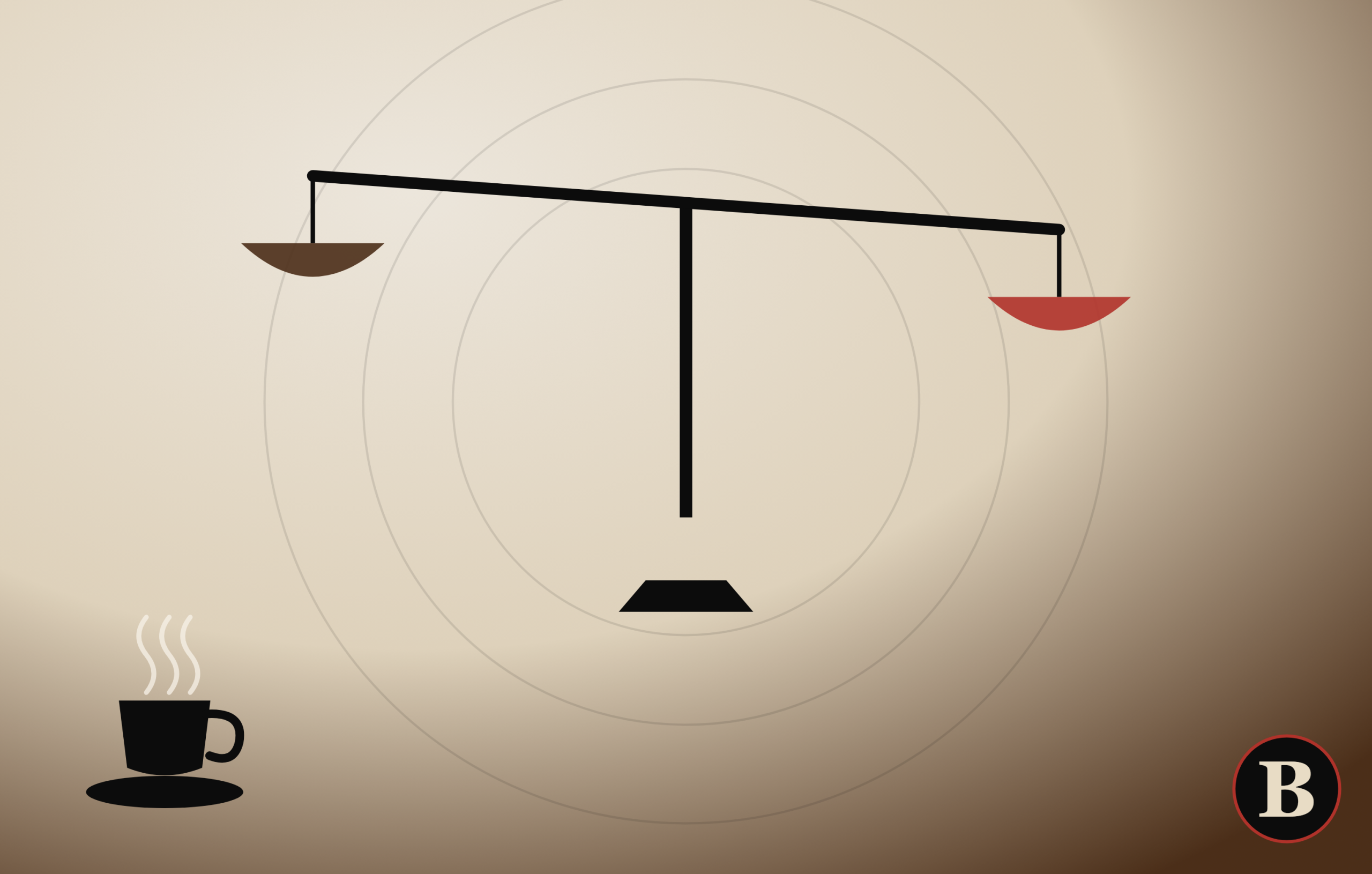
The structural objection has been on the table since March and it is very simple. It takes two to TACO. Tariffs are a toggle, switched on with a post and off with another one. A war is not a toggle. Trump cannot unilaterally end this the way he could unilaterally pull back a sanction, because there is a second party with its own view, and this week that second party postponed the meeting in Oman while a pipeline lay damaged in eight places.
So what the market is actually doing is pricing a behavioural pattern rather than a situation. And every operator who has ever dealt with a volatile counterparty knows exactly how that goes.
There is a supplier who threatens to walk every single renewal. Eleven years running, the same conversation: the new terms are impossible, they will have to review the relationship, they may not be able to supply next quarter. Eleven years running, they have signed by the Friday. So on the twelfth year you stop preparing an alternative, because you know this man, and knowing him has been correct every time.
The problem with that reasoning is that it is not actually about him. It is about the eleven years, and the eleven years are a small sample of one unusually stable set of circumstances. The year his own supplier drops him, or his health changes, or his son takes over the business, the pattern breaks on the first day you stopped carrying a backup.
Pattern recognition is genuinely valuable and it is how experienced people move fast. What it cannot do is tell you when the conditions producing the pattern have changed, because the pattern only records outcomes, not causes.
The tell to watch for is a shift in what the reversal costs the person doing it. Backing down on tariffs cost Trump very little; the toggle flipped and markets rewarded him within the hour. Backing down on a war in which American forces have been blockading a strait for months is a different transaction entirely, with a different price attached, and it requires Tehran to want the same off-ramp on the same day.
Oil settled at $104.82 on Thursday, down from nearly $110 earlier in the week. Wall Street had its best day in six weeks.
Eleven years of signing by Friday. The twelfth year is not in the data.
