
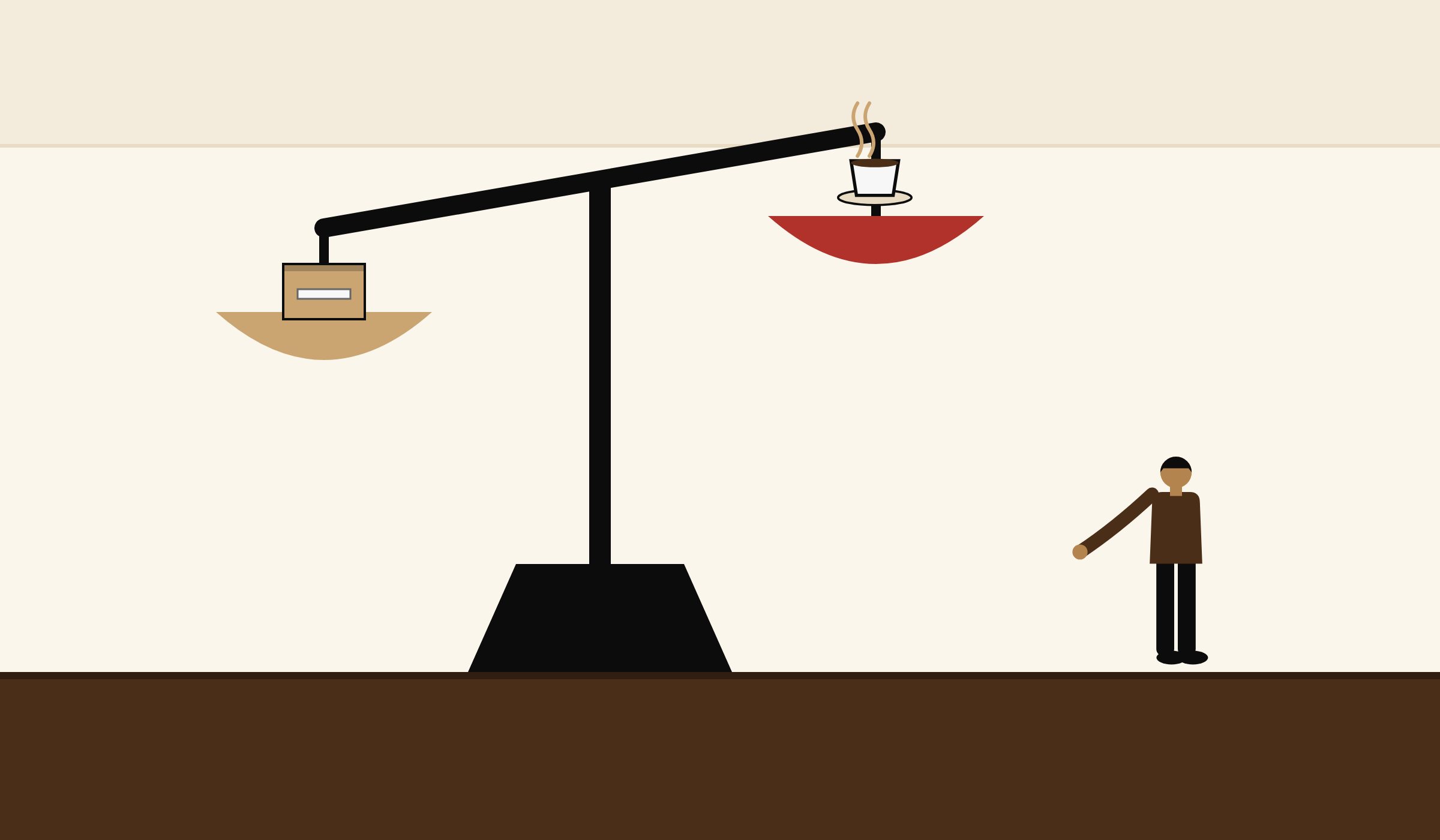
Paper is sold as a materials business and run as an energy business, and every few quarters the market remembers which one it actually bought. Mondi provided the reminder this week. Third-quarter numbers came in short of what analysts had pencilled in, the shares shed close to a tenth of their value in a single session, and the explanation required no detective work at all. Energy cost more. Wood cost more. Everything that happens between a standing tree and a folded box cost more, and the price of the box did not move nearly fast enough to keep up.
This is the unglamorous arithmetic underneath the packaging trade. A containerboard mill is a machine for turning heat and fibre into something a retailer will pay for by the tonne. The heat and the fibre are bought in markets that answer to weather, war, electricity policy and the competing appetite of every sawmill and biomass plant in the same catchment. The box is sold into a market that answers to whether anyone is buying washing machines. When those two markets disagree, the mill absorbs the disagreement, because a paper machine cannot be switched off for a quiet fortnight and switched back on in a good mood.
Anyone who has run a cafe knows the shape of this problem intimately. An espresso machine is not a coffee appliance, it is a boiler with ambitions. The water sits at temperature all day whether the queue is out the door or the room is empty, and the bill for keeping it there arrives regardless. The margin on a flat white is not the difference between the bean and the price on the board. It is the difference between the price on the board and the cost of having been ready. A quiet Tuesday does not reduce the gas bill. It simply moves the loss somewhere the customer cannot see it.
What the market repriced, then, was not one disappointing quarter. It was the discovery that the pass-through mechanism is slower than the cost mechanism, which is a structural fact rather than a seasonal one. Packaging groups spent years telling investors that integration was the answer, that owning the forest and the energy plant and the converting line together smoothed out exactly this kind of shock. Integration does smooth it. It does not abolish it. It converts a sharp spike into a long squeeze, which is easier to survive and considerably harder to explain on a call with analysts who want a date for recovery.
The deeper point is about who holds the volatility in an industrial chain. Upstream, the forest owner sells fibre to whoever bids highest, and in a Europe that has decided to burn wood for power there are more bidders than there used to be. Downstream, the consumer goods customer signs annual contracts and expects them honoured. The mill sits in the middle with a boiler it cannot turn off, holding the variance for everybody else and being valued, in good quarters, as though the variance belonged to someone further up the line. A cost base that moves weekly against a price base that moves yearly is not a mismatch anybody mispriced by accident. It is simply the business.
So the shares fell nearly ten per cent, and the investors who had been treating a heat merchant as a growth converter adjusted their spreadsheets accordingly. The mills kept running through all of it, because that is what mills do. The boiler stayed hot. Somebody has to pay for the boiler to stay hot, and the market has just finished a short, decisive argument about who.