
Bank of America did not trim Ameriprise, it double-downgraded it, which in analyst grammar is less a change of view than a change of subject. The reason given was adviser attrition, with the expectation that departing advisers will hit earnings and squeeze margins as the assets walk out behind them. The shares fell. The thesis is not complicated, and it is the oldest problem in the advice business: the firm holds the platform, and the adviser holds the relationship.
Wealth management is sold to investors as a sticky, fee-based, recurring-revenue model, and on a spreadsheet it genuinely is one. Assets under management generate a percentage, the percentage compounds with markets, and the revenue arrives with pleasing regularity. What the spreadsheet does not show is that those assets are attached to households who chose a person, not a brand. The client signed with the platform because their adviser recommended it. When the adviser moves, a meaningful share of the household follows, carrying its fee stream with it, and the platform discovers that its recurring revenue was recurring in somebody else’s name.
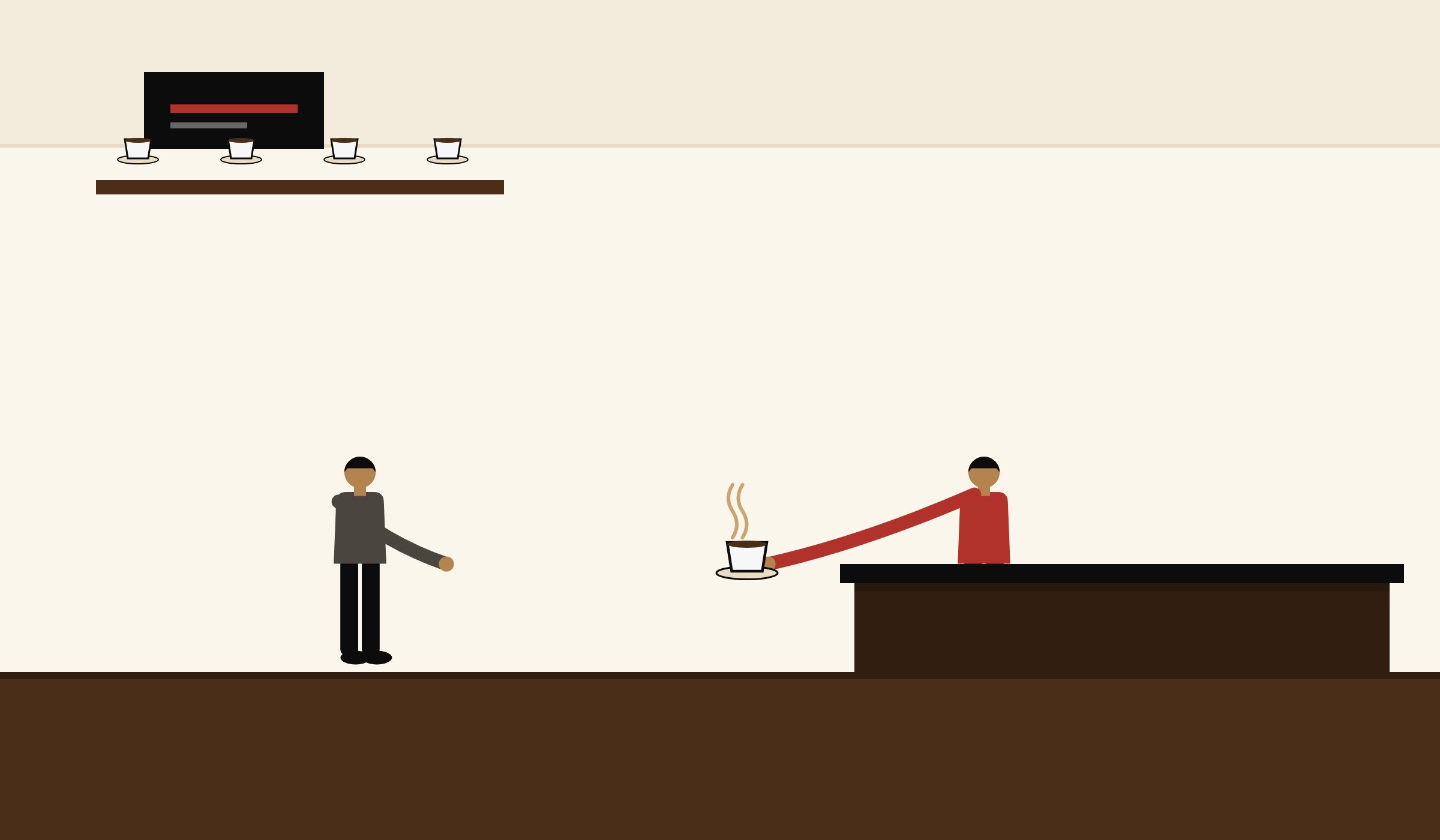
Every cafe owner has lived the exact same arithmetic, usually once, memorably. You build the room, you buy the machine, you negotiate the lease, you set the menu and you hire a barista who is genuinely good with people. For two years the morning queue grows and you congratulate yourself on the location. Then the barista opens a place four streets away, and within a month you learn which of your regulars were loyal to the coffee and which were loyal to being greeted by name. The lease is still yours. The machine is still yours. The relationship was never on the balance sheet, and its departure shows up immediately in the till.
The strategic problem for a firm in this position is that both available defences are expensive. You can pay advisers more, through higher payout rates, retention bonuses and deal sweeteners, which keeps the assets and transfers the margin to the adviser. Or you can industrialise the relationship, pushing clients toward the firm’s planning technology, model portfolios and service centre so that the household’s experience is institutional rather than personal, which protects the margin and gives every independently minded adviser a fresh reason to leave. There is no third door. Analysts modelling this sector are really modelling which of those two costs a management team has chosen to carry.
What makes attrition particularly awkward in advice is that it is self-reinforcing in a way that most cost problems are not. Advisers watch each other closely, recruiters work the mid-performing cohort hardest, and a visible run of departures becomes a recruitment pitch in itself. Competitors offering independence, better technology or a cleaner payout need only point at the exit numbers. That is why a downgrade framed around attrition carries more weight than one framed around flows. Flows reverse when markets turn. A reputation as the firm people leave takes years to put down, and it reprices the earnings multiple rather than just the quarter.
The read for anybody holding a people business is that human capital is a liability with no disclosure requirement. There is a line for the lease, a line for the technology spend and a line for the goodwill paid in the last acquisition, and no line at all for the twelve producers whose books represent a disproportionate share of the fee income. When one of those people updates a professional profile, nothing in the accounts moves. Everything in the future accounts does.
So the platform keeps running, the compliance infrastructure keeps humming, and the households quietly re-paper their accounts at whichever letterhead their adviser is now using. The firm built the shop. The regulars, as ever, belong to whoever remembers how they take it.
Source: Yahoo Finance, “Ameriprise shares fall, BofA double-downgrade”