The Map Folds Where the Crowds End
The best places on any map are the ones the map is slightly embarrassed to mention.
A newspaper asked its readers for their favourite national and regional parks in Europe, and the answers did not come back as the usual honour roll of famous peaks. They came back as Poprad used quietly as a base camp, and the remote village of Lugarde, and a scatter of other places chosen not for their fame but for the fact that the reader had actually been there and loved it. This is traveller knowledge, not brochure knowledge - the geography people carry in their boots rather than the geography a tourism board prints on a poster. As The Guardian gathered it, the map that emerges is personal, uneven, and far more useful than the official one.
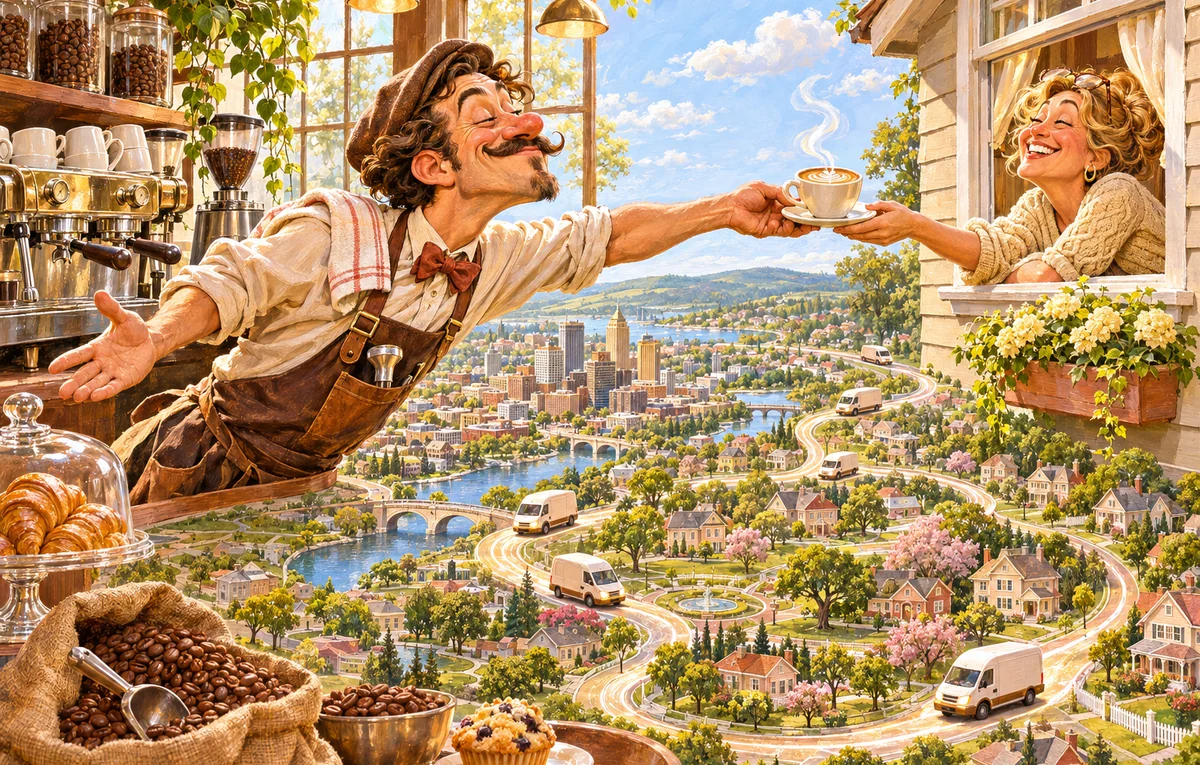
This is the difference between the house blend and the single-origin microlot. The house blend is engineered to be universally acceptable - it is the famous park, the one on every list, reliably fine, visited by everyone, memorable to no one. The microlot is a specific hillside, a specific picker, a specific season, and it tastes of exactly that and nowhere else. Poprad as somebody's base, Lugarde as somebody's end-of-the-road, these are microlots. You do not drink them because a billboard told you to. You drink them because a person who was actually there pressed the cup into your hands and said, trust me, this one.
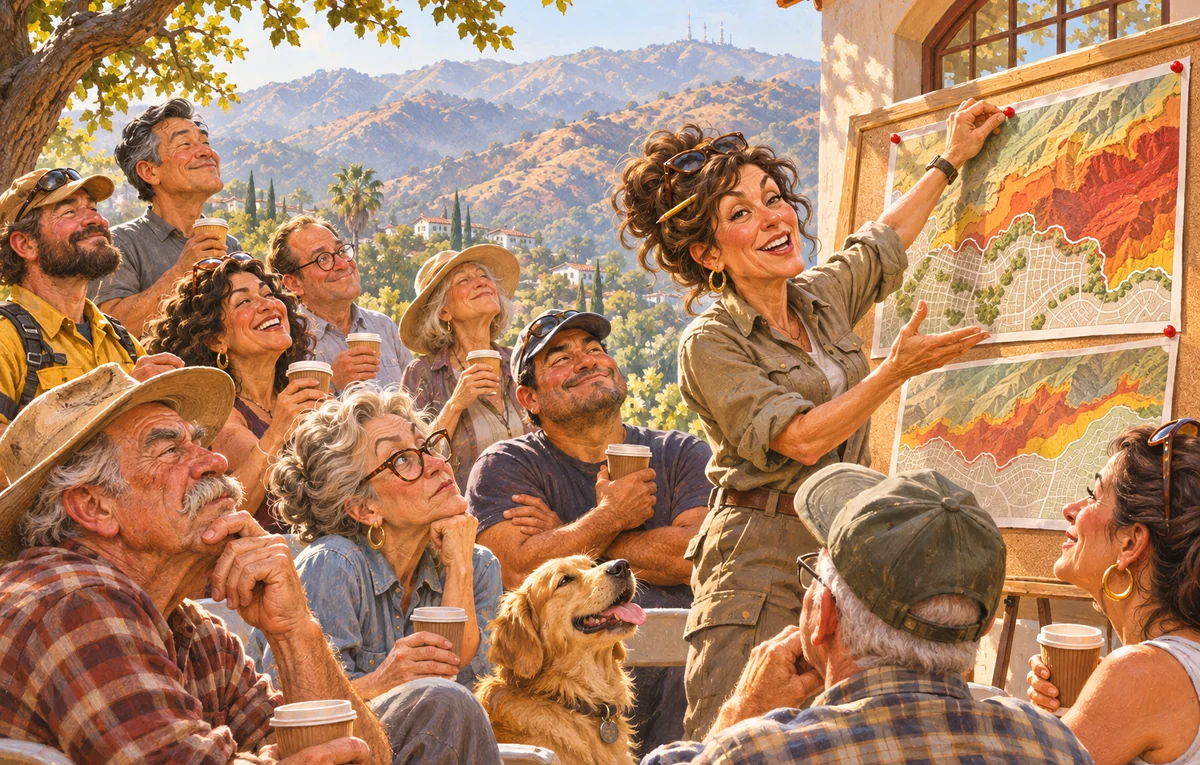
The insight is that discovery has quietly changed owners. For a century the authority on where to go belonged to the people who made the lists - the guidebooks, the boards, the algorithms that rank by footfall and therefore route everyone toward the places that already have too many feet. Reader recommendations invert that. They are a crowd-sourced map weighted not by popularity but by affection, and affection points somewhere stranger and smaller than popularity ever does. The famous park wins the search ranking. The remote village wins the dinner-party story you are still telling a decade later.
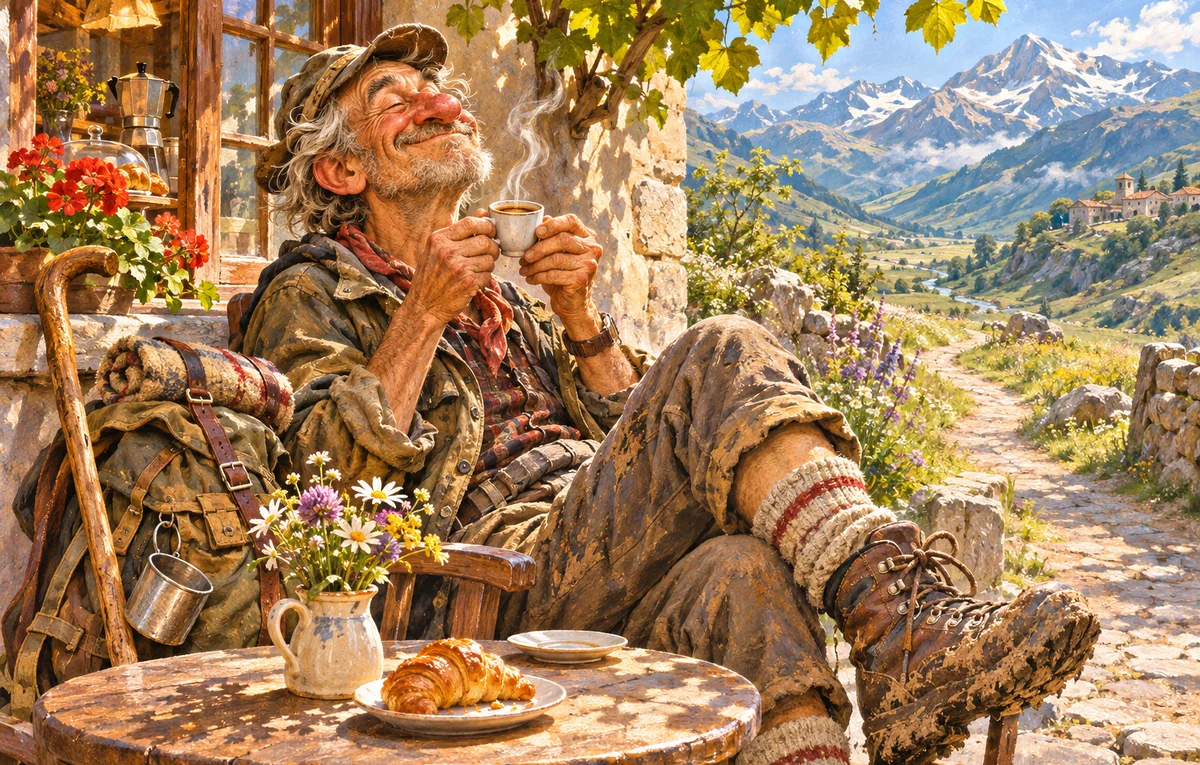
And there is a deeper Compass truth in the shape of these answers: remoteness is not a bug to be engineered away, it is the flavour. Lugarde is loved partly because it is hard to reach, the same way the best coffee often comes from the farm that is a nightmare to drive to - the difficulty is a filter, and the filter is what keeps the place itself intact. Southern African travellers know this instinctively from their own continent: the lodge that trends gets loved to death, while the valley with no signal and one bad road stays exactly as good as the day it was found. Access and preservation pull against each other, and the traveller who treasures a place learns to be a little vague about how to get there.
So the reader map fills in, place by remembered place, and it looks nothing like the official one. Poprad is a base. Lugarde is a destination you have to mean. The real favourites are always the single-origins - specific, hard to reach, impossible to mass-produce, and known only to the people who went looking past the end of the printed road. The brochure sells you the blend. The boots remember the farm. Pack accordingly, and tell almost nobody.