The City That Brews Itself Slow

Most cities plan the way an office plans its coffee - whatever is cheapest, in bulk, wherever there is a plug. Helsinki is doing the opposite, and it is worth watching why.
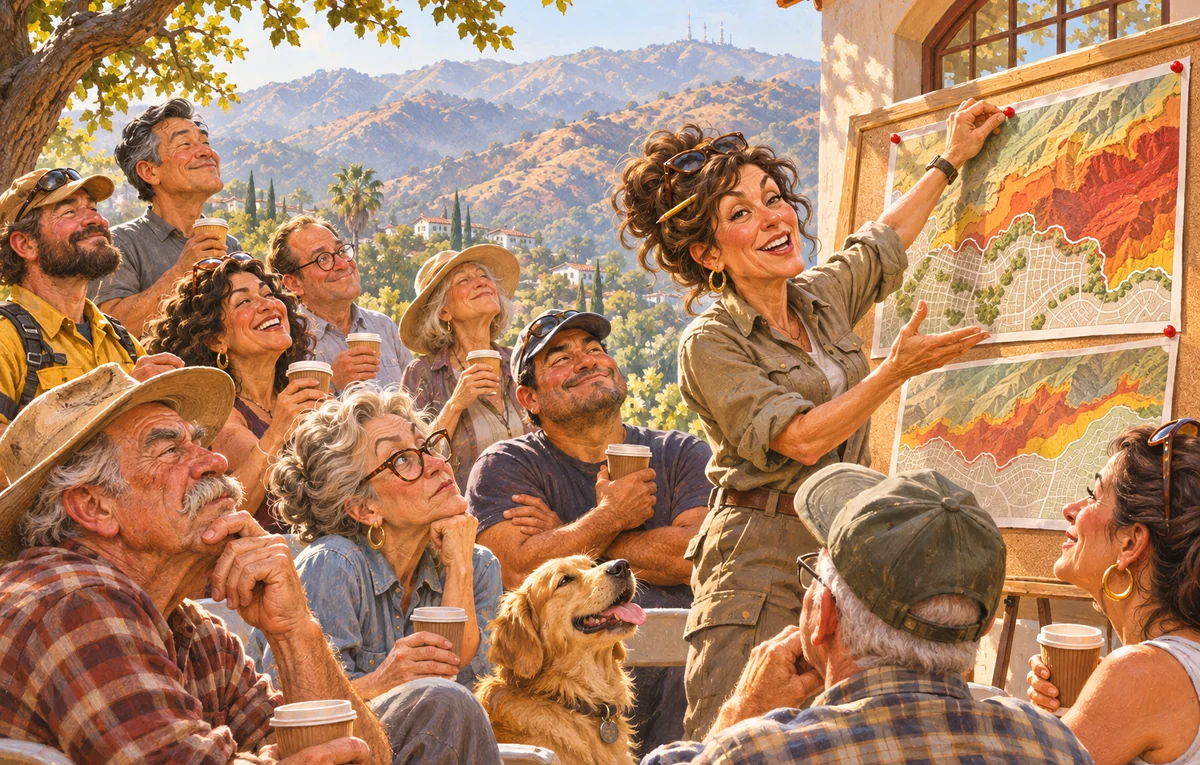
The Finnish capital has moved plans for two new parks, designed around recreation, play and animals, into the decision-making phase. That is the whole story, and it is also the whole point. Not a glass tower, not a car park dressed up as public realm, not a plaza whose only function is to be crossed. Two parks whose stated brief is that people should rest in them, children should play in them, and animals should be welcome in them. As the City of Helsinki frames it, this is land set aside for being, not for throughput.
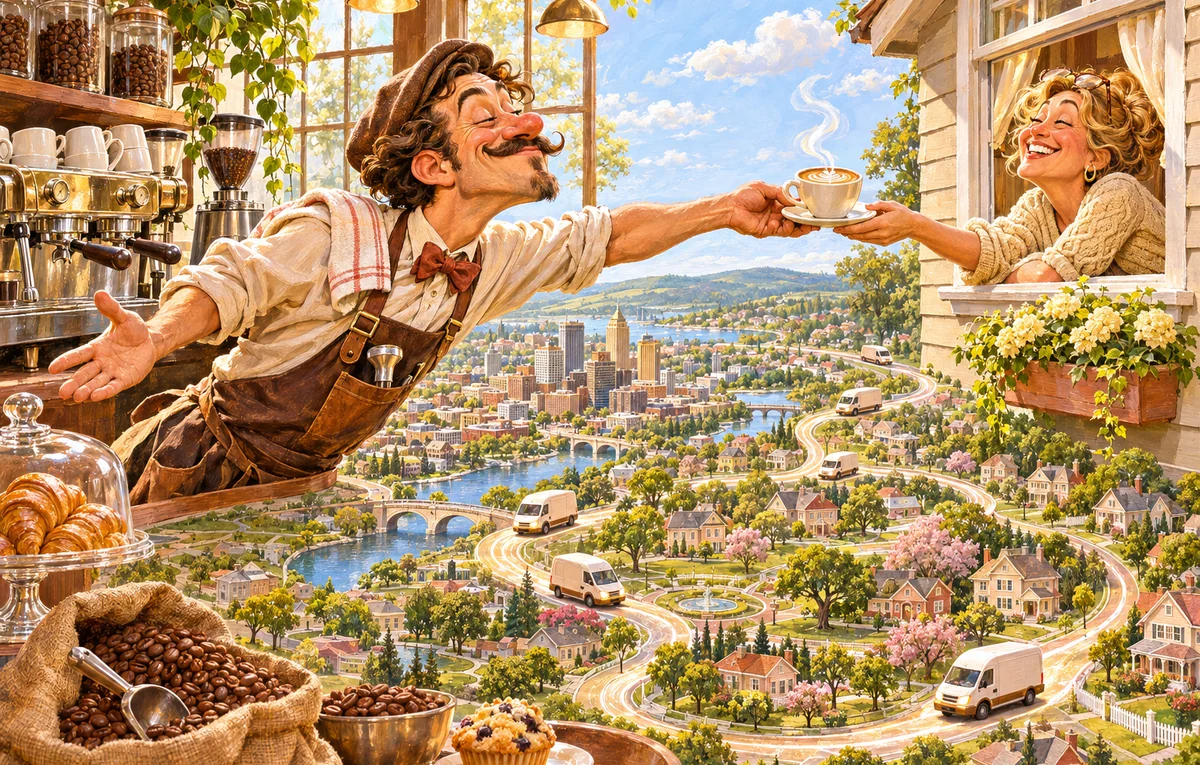
Think of it as the difference between a petrol-station pour and a pour-over. One exists to get caffeine into you at speed so you can leave; the plastic cup is a delivery mechanism and nothing more. The other asks you to stand still for four minutes while water finds its own way through the grounds, and the standing still is not wasted time - it is the product. A park built for recreation, play and animals is a pour-over city making a pour-over decision. It is choosing the slow extraction on purpose, because the slow extraction is where the flavour lives.
Here is the insight hiding inside a routine municipal notice. A city reveals what it believes a human being is for by what it builds without being forced to. Anyone can build the thing that pays rent. Deciding that a stretch of ground should belong to ducks, toddlers and people with nowhere in particular to be is a statement that idleness has civic value - that a place to sit is infrastructure, same as a bridge. Southern African cities know this argument intimately from the other side, where every square metre is pressed to earn, and the bench loses to the vendor stall, and the tree loses to the taxi rank. Helsinki is not richer in some simple way. It has simply decided, earlier, what it wants the ground to taste like.
And the animals clause is the quiet masterstroke. Designing for animals is designing for slowness you cannot fully control. You cannot schedule a fox. You cannot KPI a pond full of ducks into higher engagement. To plan around them is to admit that a good public space is partly out of your hands, the way a good cup is partly out of the barista's - the bean does what the bean does, the weather in the room matters, and the best you can do is set conditions and then let the thing happen. Cities that cannot tolerate that lack of control pave it over and call it tidy.
So two parks go into the decision phase, and the decision is really about temperature. Fast cities serve themselves scalding and bitter and gone in a gulp. Helsinki is letting this one bloom, watching the grounds settle, trusting that what rises will be worth the wait. The rest of us are still drinking from the vending machine, insisting we are too busy for anything slower, and wondering why the city never tastes of anything at all.