The Name That Outlived the Shop
A brand can walk around for years after the business inside it has died. Dick Smith Electronics had been part of Australian retail since 1968, a name people trusted without thinking, and it ended in a compressed collapse under private equity that proved how little the name was worth once the thing behind it had been hollowed out.
Here is the uncomfortable mechanic. A retail brand built over decades accumulates enormous goodwill - the reflex that sends a customer through the door without comparing prices, the assumption that the shop will be there next year. That goodwill is a real asset, and private equity is very good at spotting real assets that are not being fully monetised. The playbook is to buy the business, work the goodwill hard, stock the shelves on terms that flatter the near-term numbers, and present a story of a healthy chain. It can look like a turnaround for a while. What it often is, instead, is the slow conversion of a long-built reputation into a short-term figure, with the bill deferred until the goodwill runs dry.
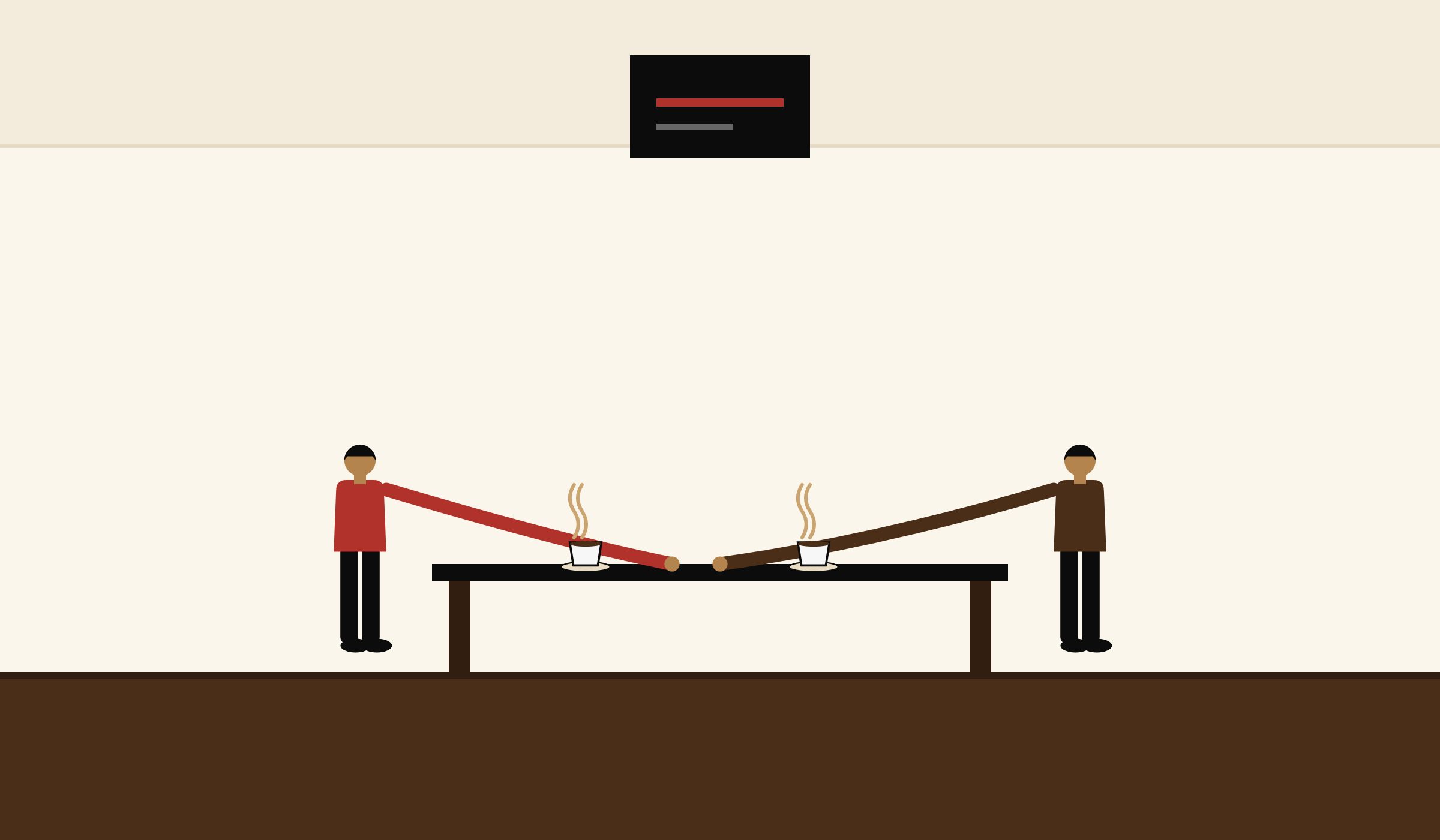
It is the heritage café bought by someone who waters the espresso. For a few months, nobody notices. The regulars keep coming because the sign over the door still says what it always said, and the trust the previous owner spent forty years building keeps the queue moving. The new owner reads that queue as proof the thinner coffee is fine. But trust is a balance you draw down, not a spring that refills, and every weak cup withdraws a little more. One morning the regulars taste it, finally, all at once, and the queue is gone - not slowly, but in the compressed way a reputation collapses when enough people reach the same verdict in the same week. The sign still says the right thing. The coffee stopped being it a long time ago.
The insight is that brand equity is a stored asset, not a renewable one, unless the business keeps refilling it with the thing that earned it. A name like Dick Smith was decades of a promise kept. The moment the operation stopped keeping the promise and started spending the memory of it, the clock began, and the collapse when it came was fast precisely because it was overdue - the goodwill had been carrying a business that no longer deserved it, and goodwill carries dead weight only until it cannot. The speed of the end was the measure of how much had been drawn down before the market caught up.
As NeTT Business News traced it, a brand with roots back to 1968 unravelled in a window far shorter than the decades it took to build. That asymmetry is the lesson. Reputation is slow to earn and fast to lose, and anyone whose model depends on monetising the first half while postponing the second is not running a business. They are running a countdown with a familiar name on the front.
The cruellest part is that the customers never stopped trusting the sign. They just, eventually, stopped being rewarded for it.
The name outlived the shop by exactly as long as the goodwill lasted, and not one day more.