The Boring Part Was the Rescue

The interesting story was hiding inside the boring one. Fender's fizzled IPO was the headline everyone reported and promptly forgot, but the numbers the company had to disclose along the way were the actual drama, and the fix behind them was so unglamorous that almost nobody wanted to tell it.
An IPO that does not happen is the kind of non-event the market shrugs at. The pitch went out, the appetite was not there, the offering was pulled - end of story, on to the next one. But a company preparing to go public has to open its books, and an opened book is far more revealing than any share price. What Fender's disclosures showed was a business that had come close to real trouble and clawed its way back not through some brilliant stroke but through the dull, grinding work of fixing fundamentals: inventory, cost, the basic question of whether a famous brand was actually run well. The failed listing was the loud, empty part. The turnaround it accidentally documented was the quiet, full one.
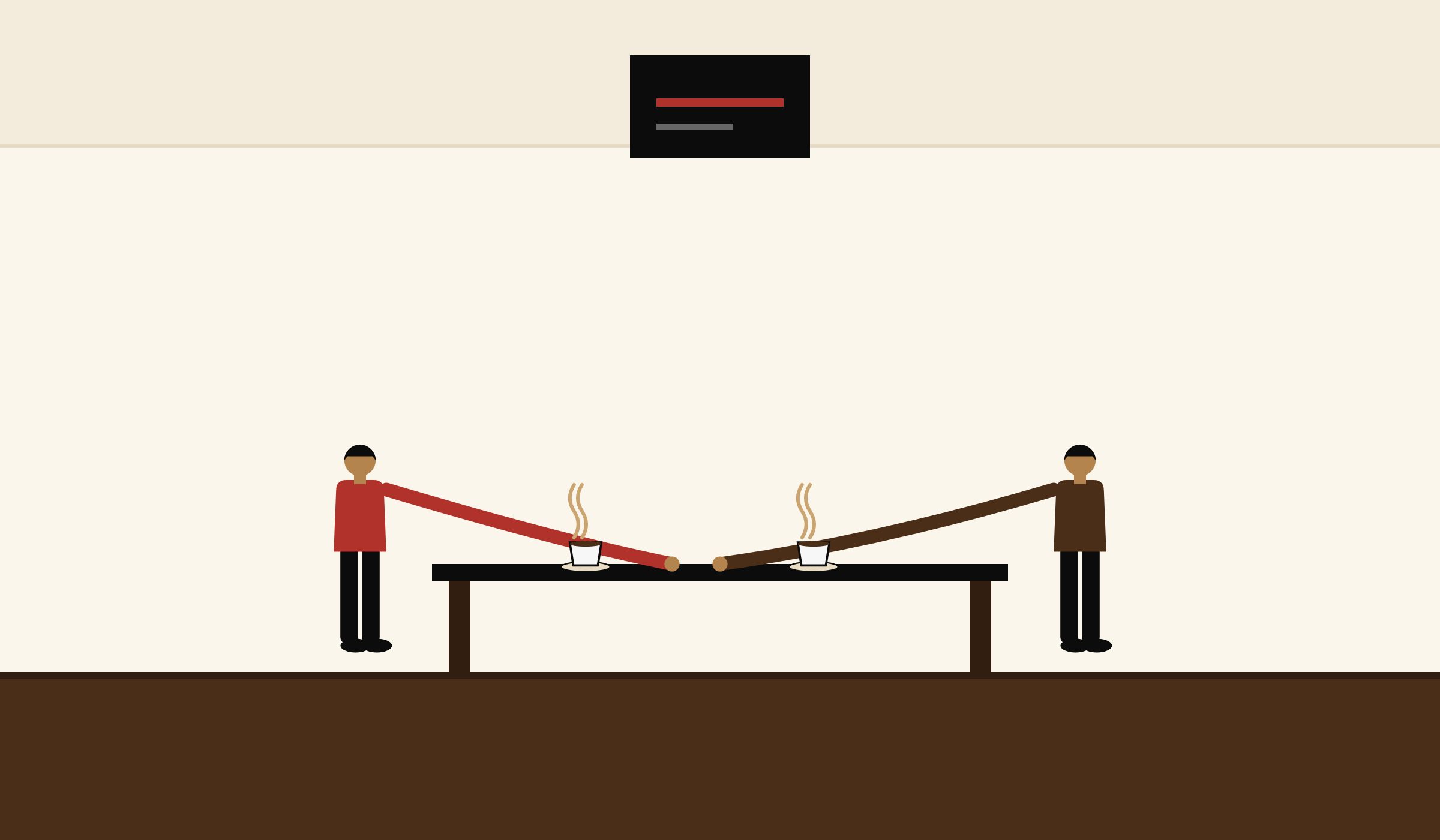
This is the café that nearly folded and came back - not by inventing a viral drink, but by finally counting the milk. The romantic turnaround story is always a new idea, a reinvention, a bold pivot that captured the public imagination. The real one is usually a manager who sat down and worked out that the café was over-ordering beans, under-pricing the flat white and carrying a storeroom of stock it would never sell before it staled. No headline in that. Just the tedious arithmetic of running a tight operation, the stuff that never trends because it cannot be dramatised. But that arithmetic is what brings a near-dead business back, far more reliably than any reinvention, because most businesses do not die of a bad idea. They die of a loose grip on boring numbers.
The insight is that the glamorous events in corporate life - the listings, the launches, the reinventions - are usually the least informative, and the unglamorous disclosures are where the truth lives. Fender did not need a comeback narrative. It needed its inventory under control and its costs honest, and when it got them, the business recovered. The fizzled IPO made the news because failure is loud. The fix did not, because competence at the fundamentals is silent by nature - you only notice it by its absence. The people who took the business apart and put it back together properly did the most important work and got the least attention, which is roughly the universal ratio.
As NeTT Business News set out, the disclosures around the offering were more telling than the offering itself, and the recovery underneath was a matter of mechanics rather than magic. That inversion is the lesson. When you want to know whether a business is healthy, do not read the press release about the exciting thing. Read the boring numbers the exciting thing forced it to publish.
A guitar is a glamorous object. The warehouse that stops over-ordering them is not, and the warehouse is what saved the guitar.
The comeback nobody wrote up was the only part that was actually a comeback.