The Comeback That Was Really a Stocktake

The press called it a revival. The warehouse called it a stocktake. Converse's return to relevance looked like a great comeback story, but it was really an inventory fix - and the clue was that the Chuck Taylor had been in market since the 1920s, selling the whole time, never actually gone anywhere to come back from.
A comeback narrative is irresistible because it flatters everyone. It implies a dead brand brought back by vision, a cultural moment recaptured, a hero's return. The reality with Converse was duller and far more instructive. The shoe had never stopped existing. The Chuck Taylor was a near-century-old product that people kept wanting; what had gone wrong was not desire but distribution, operations, the unglamorous business of getting the right shoes to the right places in the right numbers. Under better ownership and tighter management, the machinery around the shoe got fixed. The shoe itself needed no reinvention at all. It needed to be made and sold properly, which is a management problem wearing a marketing costume.
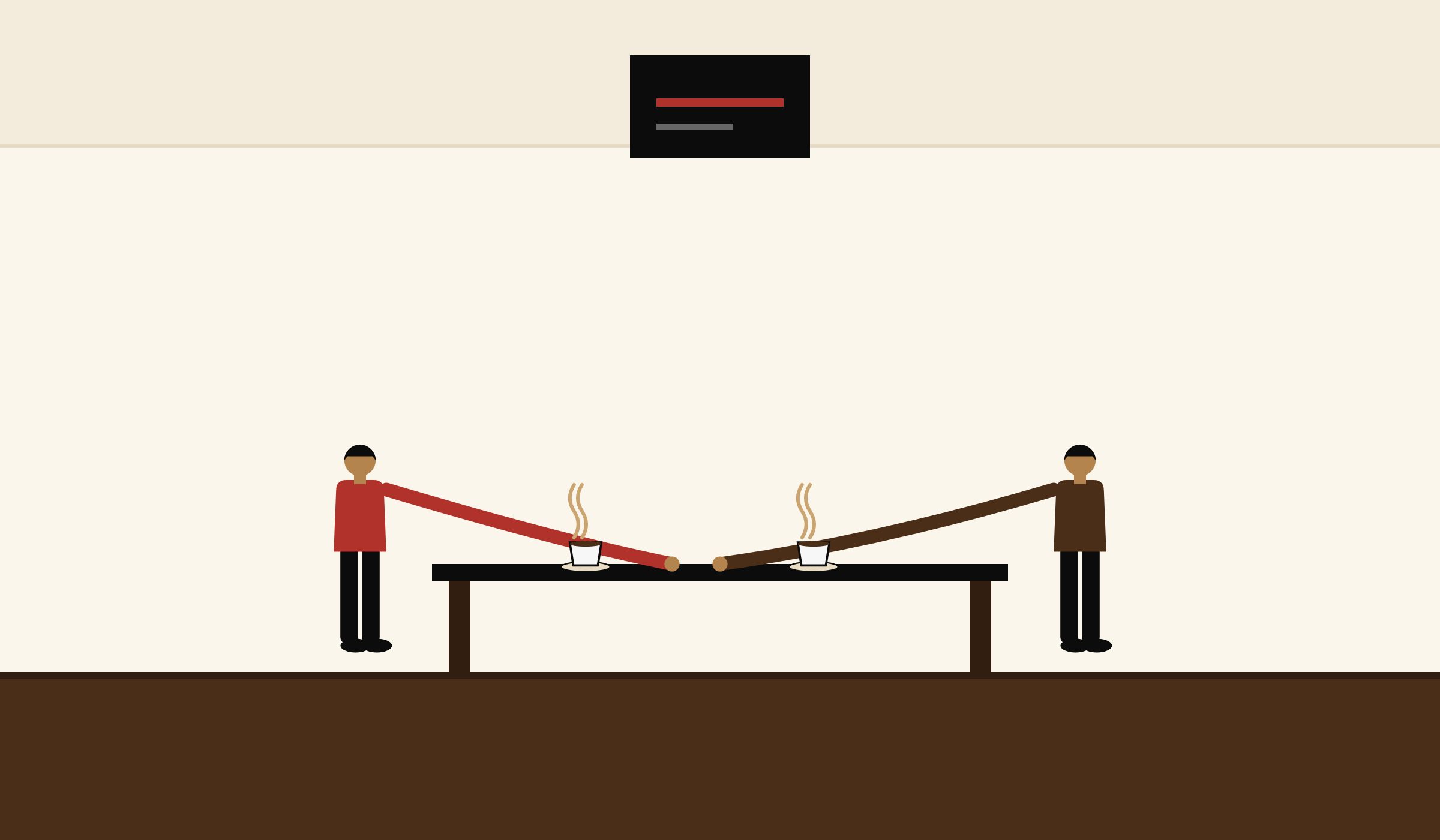
This is the café with a legendary house blend that suddenly seems to be everywhere again. The story people tell is that the blend made a comeback, that taste came back around to it. The truth is usually that the café fixed its supply - stopped running out on weekends, stopped letting the beans go stale in the back, got the thing people always wanted into their hands reliably. The blend did not change. The demand did not change. What changed was the boring middle - ordering, stocking, distribution - the part no customer sees and no journalist writes about. The coffee was always good. Someone finally made sure it was always there.
The insight is that we systematically misread operational fixes as creative triumphs, because the creative story is the one that sells. When a durable product returns to prominence, the instinct is to credit a bold new vision, when the actual cause is often that someone counted the inventory, cleaned up the distribution and stopped mismanaging demand that was there all along. A product with a century of pull does not need its desire rebuilt; it needs the obstacles between that desire and the shelf removed. Converse did not need to make people want Chuck Taylors - they had wanted them since the 1920s, through every decade and every fashion cycle, without being asked twice. It needed to stop getting in the way of that wanting. That is a profoundly unglamorous achievement, and it is far more replicable than genius, which is precisely why nobody wants to tell it that way. A story about counting boxes sells no magazines, even when counting boxes is what actually happened.
As NeTT Business News framed it, the turnaround was a matter of fixing the operations around a product that had been continuously in market for the better part of a century. That reframing is the gift. The next time a brand stages a miraculous return, the useful question is not what brilliant new idea saved it. It is what boring old thing it finally stopped doing wrong.
The Chuck Taylor never left. Somebody just finally restocked the shelf and called it a resurrection.