The Landlord Who Sold Clothes
Everyone watched the shopfronts. Solomon Lew was counting the leases. The Premier machine looks from the street like a retail empire, but the engine underneath was property discipline, not retail flair, and the difference explains both the fortune and what the fortune cost.
Retail is a seductive business to be dazzled by. The windows, the brands, the seasons, the theatre of a store that makes you want to walk in - it invites the operator to fall in love with the show. Lew declined the romance. The Premier approach treated the glamorous part, the selling, as something to be run tightly rather than adored, and put the real rigour where the romance never goes: the terms of the lease, the cost of the floor, the unsentimental question of whether a store earns its rent. Flair gets written up. Discipline gets paid. Lew chose to be paid.
It is the difference between the barista who wants applause and the one who owns the café. The showman barista pulls the latte art, chases the signature drink, works for the gasp from the customer and the photo on the wall. Admirable, and often broke. The owner is watching milk waste, the price of beans against the price on the board, the rent per square metre of a room that has to make money whether or not anyone claps. The customer tastes the coffee. The owner tastes the margin. A café that survives twenty years is almost never run by the showman, and a retail group that survives every cycle is almost never run by the merchant who just loves the clothes.
The insight is that in retail the product is the story everyone tells, but the real contest is fought over fixed costs, and the biggest fixed cost is the floor you stand on. A chain that negotiates its leases like a landlord rather than a tenant has a structurally lower cost of being open, which means it can be mediocre at selling and still beat a rival who is brilliant at it. Flair wins a season. Property discipline wins the decade, because it decides who can still afford to open the doors when the season turns. Lew understood that the merchant with the best product and the worst leases eventually hands the keys to the operator with an average product and ruthless real estate.
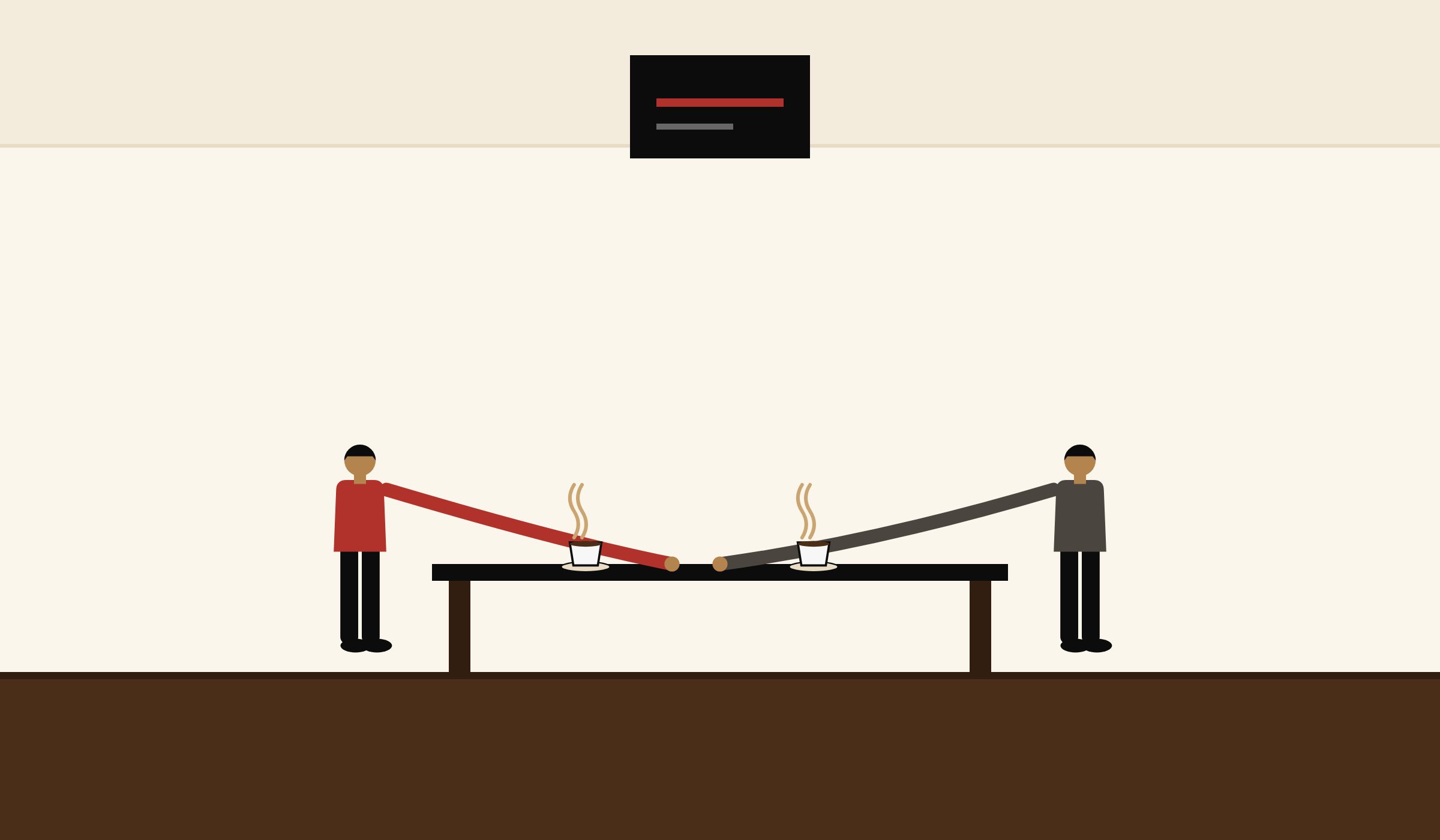
As NeTT Business News set out, the discipline built the machine - and the same temperament that built it carried a cost. A business run on terms rather than warmth is a business that treats relationships as positions. The tight hand that protects the balance sheet is the same hand that drives the hard bargain nobody enjoys being on the other side of, and a reputation for winning every negotiation is not the same as a reputation for being easy to work with. The strength and the price are the identical trait, read from two sides.
There is a reason the quiet operators outlast the celebrated ones. The celebrated merchant is optimising for how the business feels. The quiet one is optimising for whether it is still there. Lew was never confused about which question matters when the lease comes up for renewal and the market has gone cold.
The best retailer in the room is sometimes the one who was never really in retail at all.