The Handshake That Waited Too Long
The cheapest deal in a family business is the one signed while everyone is still on speaking terms. The most expensive is the identical deal signed after they have stopped. Founder succession is the moment most family businesses break, and the brutal arithmetic is that the same agreement costs multiples more once the lawyers are in the room and the siblings have stopped taking each other's calls.
Succession feels like a problem for later, which is exactly why it becomes a catastrophe. While the founder is alive and in charge, the question of who gets what, who runs what, and how the whole thing passes down is uncomfortable to raise and easy to defer. Everyone assumes goodwill will carry it. Then the founder steps back, or dies, and the goodwill turns out to have been doing an enormous amount of unpaid work. The ambiguities that nobody wanted to resolve while the atmosphere was warm now get resolved in the cold, by professionals who bill by the hour, between people who have realised their interests were never as aligned as the family dinners implied.
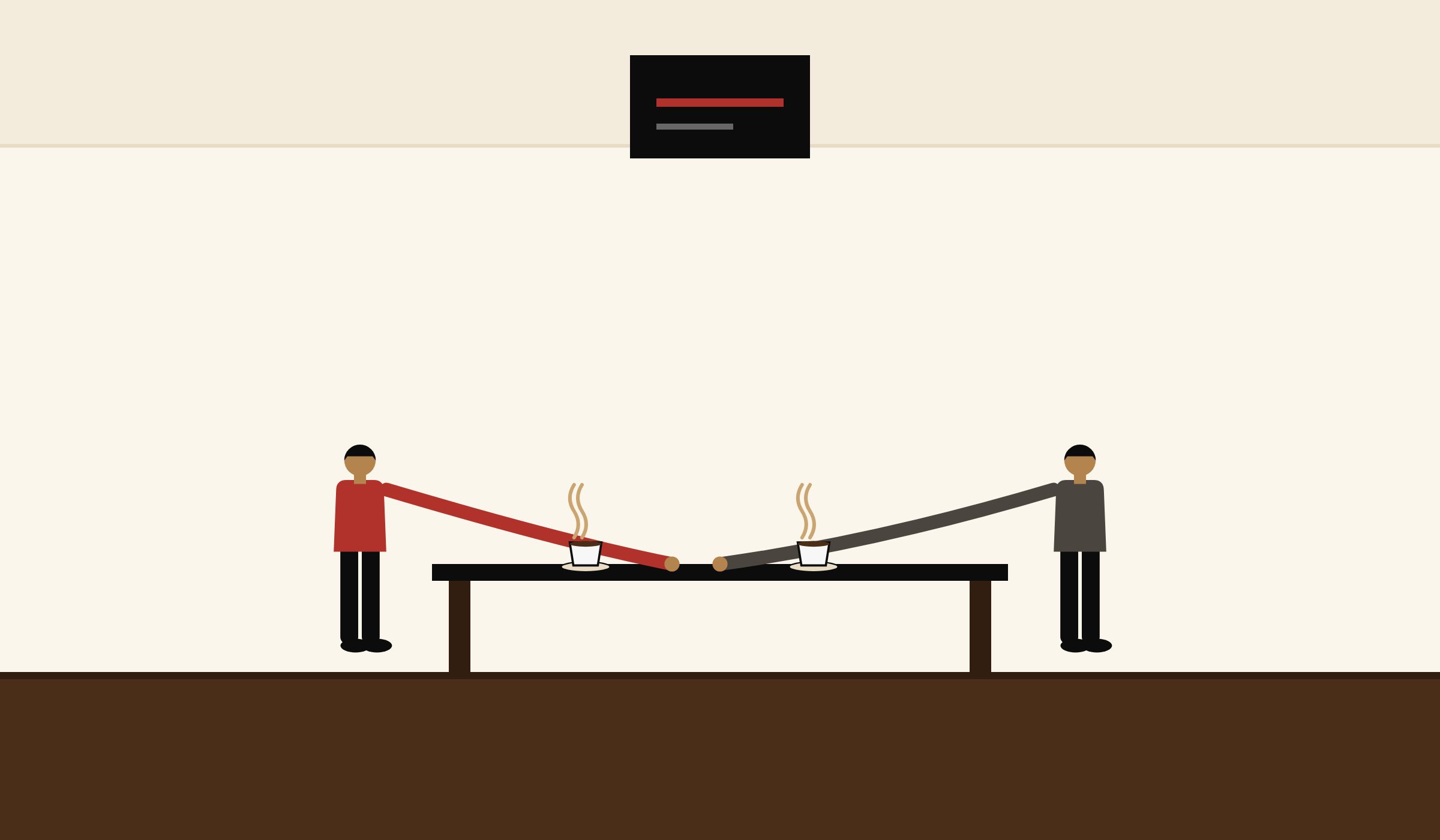
Consider a café opened by two friends on a handshake. For years the handshake is enough - they trust each other, they split the work, nobody writes anything down because writing it down would feel like an insult. Then one wants to sell, or one dies and a spouse inherits the half, or the two simply fall out over the direction of the shop. Now the handshake is worth nothing, and the thing that could have been settled in an afternoon over coffee, for free, costs a fortune to untangle, because every undefined term has become a position and every position has a lawyer attached. The coffee is the same. The cost of dividing it has multiplied, purely because they waited until they needed the agreement to make it.
The insight is that the price of a succession agreement is set not by its content but by its timing, and specifically by the state of the relationships when it is drawn up. The same clauses, the same split, the same governance structure cost almost nothing to agree when trust is high and almost everything when trust has collapsed - because in the warm version both sides are solving a shared problem, and in the cold version each side is defending against the other. The content never moved. Only the temperature did, and the temperature is what you are really paying for. Most families pay the expensive version, because the cheap version requires raising a hard subject at the precise moment it seems least necessary, when the founder is healthy and the siblings are cordial and nothing appears to be at stake. That appearance is the trap. The discipline is to make the deal while you still like each other, which is the one moment nobody feels any urgency to.
As NeTT Business News put it, the agreement that is affordable early becomes ruinous once relationships have broken down. That inversion is the whole lesson. Succession planning is not morbid admin. It is buying the agreement at the low price, before the market for family trust turns against you, which it always eventually does.
The handshake is free the day you shake on it, and priceless the day you wish you had written it down.