The Shop They Built but Never Opened
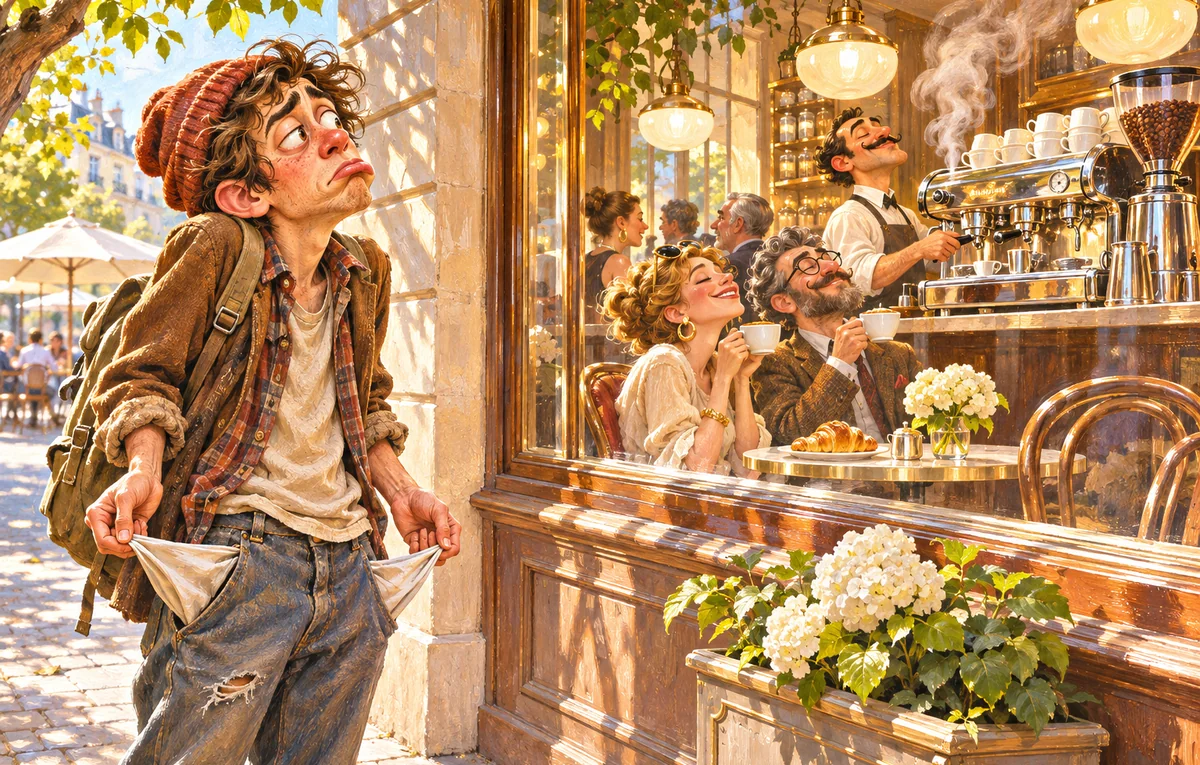
They built the shop, wired the machine, and left the door too expensive to walk through. A survey of young people in Western Sydney, reported by ABC News, finds that cost of living and stigma are the real barriers to getting on, and that the report's author sees regional infrastructure investment that has not translated into tangible change. Read that twice. The investment happened. The change did not. The equipment is beautiful and the cup is still out of reach.
This is the gap politicians rarely want to see, because infrastructure is photogenic and barriers are not. You can cut a ribbon on a new building. You cannot cut a ribbon on a young person deciding, quietly, that the thing is not for people like them. So the spend concentrates where the camera is, and the cost and the stigma, the two things that actually decide whether anyone walks in, get treated as someone else's department. The ribbon is the deliverable. The footfall was supposed to take care of itself.
Picture the flagship cafe that cost a fortune and serves nobody. The fit-out is immaculate, the roaster is the best money can buy, the signage glows at night. But the prices assume a wallet the neighbourhood does not carry, and the whole place radiates a message that this is for a certain kind of customer, so the locals walk past it on the way to somewhere that wants them. The machine is not broken. The economics and the welcome are. A gleaming machine with no reachable cup is not an amenity. It is a monument to money spent looking helpful.
The behavioural truth underneath is that access is not the same as availability. A thing can be physically present and psychologically shut. Cost is the obvious lock, the one on the door you can see. Stigma is the second lock, the one inside the person, that says you would not fit, you would be judged, the staff would clock that you do not belong. Infrastructure answers a question nobody was really asking - is the building there? The questions that were actually asked are can I afford it and will I be welcome, and concrete does not answer either. You can pour capital into a postcode and leave both locks fastened.
So the measure of an investment is not what it cost to build but what it costs to use, and who feels allowed to. A program that lowered the price of entry and dissolved the sense of not-for-you would move more lives than a landmark that does neither, even if it never made a single press release. The author's phrase - no tangible change - is the whole indictment. Tangible change is someone walking in who would not have before. If that number has not moved, the spend was scenery.
The builders will protest that they delivered exactly what was funded, and they did, which is precisely the problem. They were funded to build the shop, not to open it to the people around it, and those are different jobs that only look the same from a distance. One is measured in square metres. The other is measured in whether a nineteen-year-old with eleven dollars feels the door is theirs to push.
Until the price comes down and the welcome goes up, the lights will stay on in a lot of lovely, empty rooms, humming expensively to themselves. Western Sydney's young people can see the machine perfectly well. They have simply worked out that seeing it and being served by it were never the same thing - and nobody with a ribbon wants to admit the difference.