Follow the money in any city for long enough and you stop meeting strangers. The trail loops back to a surprisingly small, repeating cast of vendors – the same logos on the same paving crews, the same software firm renewing the same licence, the same consultancy whose name nobody can quite explain. Public procurement is supposed to be a wide-open door. In practice it behaves more like a guest list.
The numbers are not small. Governments are among the largest customers on the planet, and the United States alone publishes every contract above the micro-purchase threshold on USAspending.gov, a firehose of awards, amounts and recipients. Cities, counties and agencies route enormous public sums through this machinery every year. Yet for all the data sitting in the open, the pattern of who keeps winning – and why – is examined far less often than the price tag attached to each deal. We audit the spending. We rarely audit the spenders’ favourites.
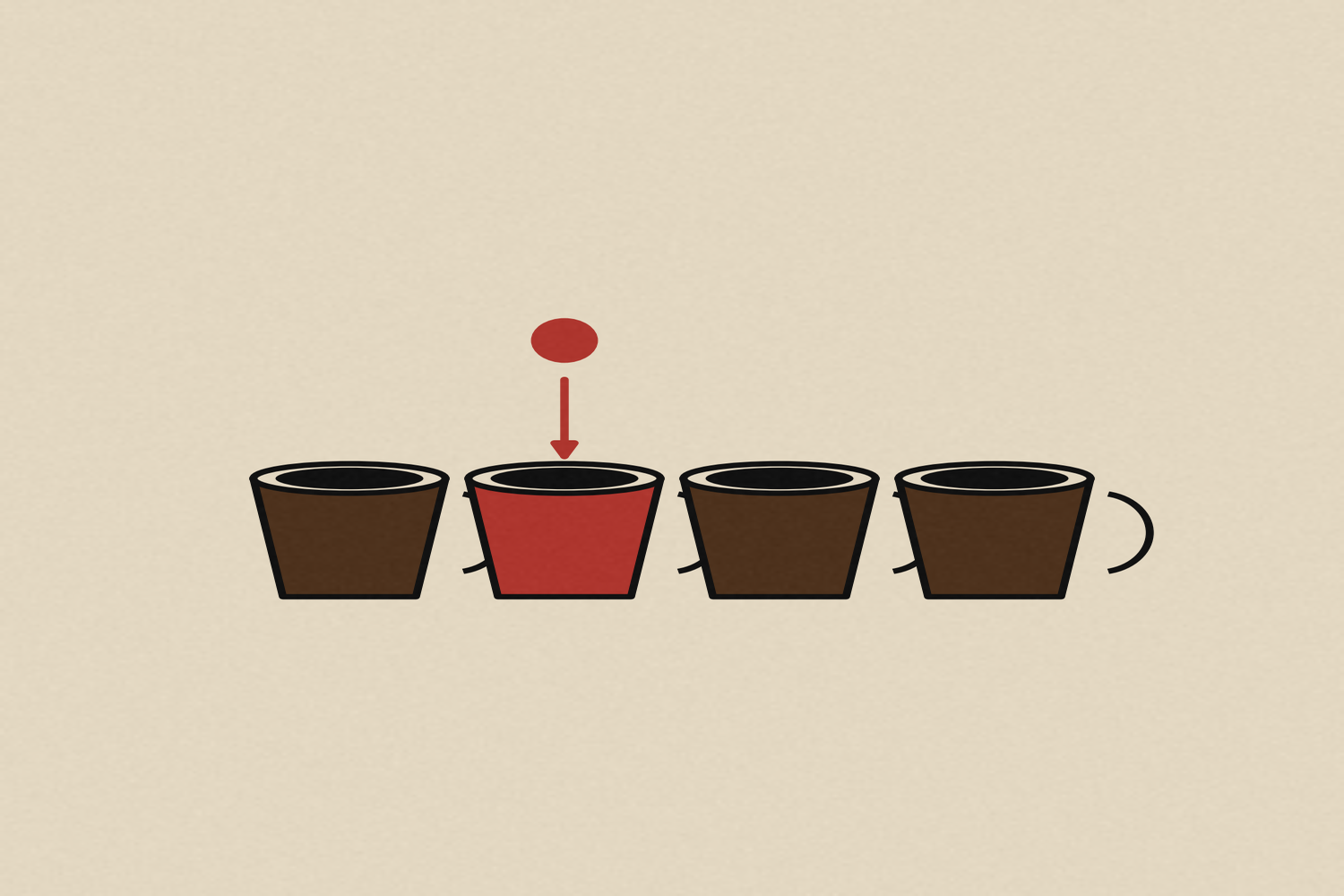
Think of city contracting as a regulars’ cafe. The menu is posted on the wall, the prices are public, and in theory anyone can walk in and order. New faces are genuinely welcome – the sign in the window says so. But watch the counter for a morning and the choreography gives the game away. The barista already knows three customers by name, has their orders half-made before they speak, and waves them past the queue with the easy familiarity of people who have done this dance a hundred times. The newcomer, meanwhile, is still squinting at the board, unsure whether the small is actually small. Same cafe. Same menu. Wildly different experience.
That gap is the real story, and it is structural rather than sinister. Government watchdogs have been documenting it for years. A US Government Accountability Office study found that a striking share of competed federal contracts drew only a single offer, which rather defeats the purpose of competing at all. A later review flagged how agencies lean on noncompetitive and bridge contracts to keep existing vendors in place when the clock runs out. None of this requires a backroom or a brown envelope. It requires only inertia – and inertia, it turns out, has a very consistent address.
The advantages compound quietly. The first is incumbency: a vendor already delivering knows the buyer’s quirks, has the relationships, and can write a renewal in its sleep while a challenger is still requesting clarifications. The second is bid complexity. Public tenders are dense, formal and unforgiving; the paperwork on SAM.gov’s contract opportunities alone is enough to send a small firm back to private clients. Mastering that grammar is its own skill, and the people already inside have years of practice. The third is relationship knowledge – knowing which official actually decides, what the unwritten priorities are, how to phrase a proposal so it lands. The OECD has warned that thin competition in procurement, including the prevalence of single-bidding, can quietly inflate costs by a fifth or more. Price, the thing the whole process is meant to optimise, ends up sharing the table with familiarity – and familiarity does not always pick up the cheque.
Here is the uncomfortable part for anyone who believes markets reward the best offer. The system is not necessarily corrupt; it is comfortable, and comfort is harder to reform than corruption. A buyer who keeps choosing a known vendor is reducing risk, not breaking rules. An incumbent who keeps winning is reading the room better, not bribing it. The structural tilt is invisible precisely because every individual decision looks reasonable. Transparency portals capture the dollars beautifully and the dynamics barely at all. You can download a decade of awards and still miss the morning at the counter.
Which is why the fix is less about new laws than new attention. Plenty of the raw material is already public; the missing ingredient is the habit of reading it sideways – counting how often the same names recur, how many tenders attract a lone bidder, how often a contract is renewed rather than recompeted. Treat the pattern as the headline, not the footnote, and the regulars’ cafe starts to look less like an open market and more like a standing reservation.
Public money is supposed to flow to the best bid. In practice it tends to flow to whoever already knew the barista’s name – and the rest of us are still reading the menu.
