The Market Reads the Restraint, Not the Attack
You can tell more about a café from the barista's wrist than from the hiss of the machine, and this week the oil market proved it understands the difference. Crude fell even as fresh shipping attacks lit up the Middle East, because Donald Trump signalled restraint on Iran - and traders decided the calm in the tone mattered more than the heat in the water. The attacks were the noise. The restraint was the signal. The price followed the signal.
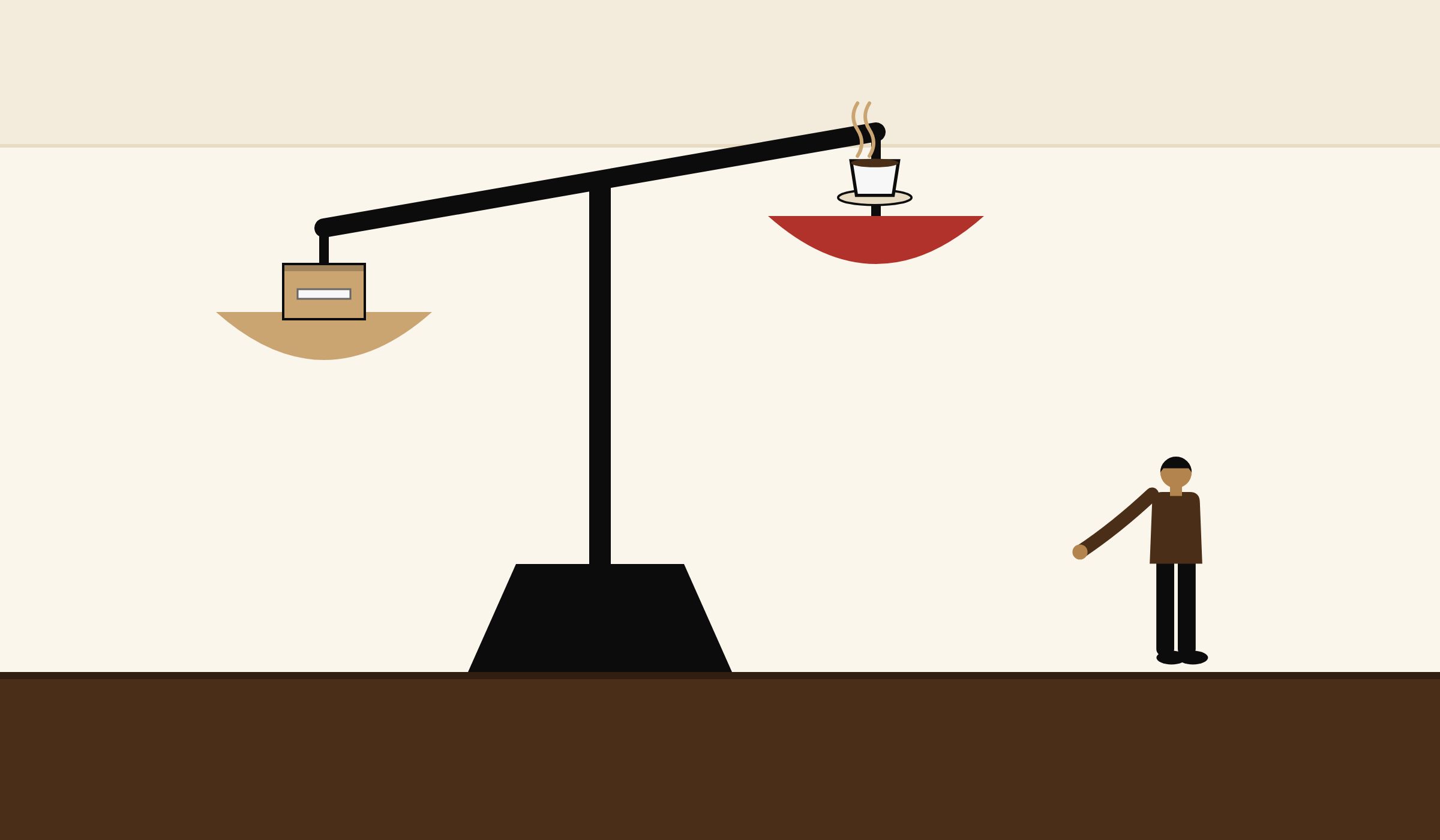
On paper this looks backwards. Shipping attacks are precisely the kind of event that normally sends oil spiking, because they threaten the tankers and the chokepoints through which the world's crude actually moves. A disruption to the physical flow is the classic bull case for the barrel. Yet the price fell, because sitting on top of the attacks was a louder message: the US president indicating he would hold back rather than escalate. The market weighed a real incident against a signalled posture and sold the barrel, betting the posture would contain the incident.
The coffee reading here is about where you look for the truth of a situation. The machine screams, steam everywhere, drama you can hear across the room - that is the shipping attack, violent and attention-grabbing. But the experienced eye goes straight to the barista's hand on the lever, the small controlled movement that actually decides what ends up in the cup. Trump's restraint was that hand. The market, scanning for the detail that governs the outcome, ignored the hissing machine and watched the wrist, concluding that a restrained hand would not let the drama boil over.
The insight is that in geopolitics, intent can outweigh incident - at least in the price. As Yahoo Finance reported, oil fell at the open as Trump signalled restraint, even with fresh attacks on shipping in the background. That is a market making a judgement call about escalation: it decided the willingness to de-escalate was the dominant variable, and that a leader choosing not to respond in force is worth more to the risk premium than an attack choosing to provoke one. The steam was real. The hand on the lever was the thing that moved money.
There is a discipline in this worth borrowing far from the oil pits. When a crisis erupts, the instinct is to react to the loudest thing in the room - the explosion, the headline, the hiss. But the loudest thing is rarely the deciding thing. The deciding thing is usually quiet: a posture, a restraint, a choice about whether to escalate. Learning to look past the noise and read the wrist is the whole of good judgement, in trading and in most else. The market did it here, and it got paid for watching the calm instead of the chaos.
This is not a prediction that restraint holds. A signal is a signal, not a guarantee, and a hand on the lever can tighten as easily as it can ease. If the restraint cracks, the attacks the market just shrugged off will come roaring back into the price, and the steam will turn out to have been a warning after all. For now, though, the barrel has made its bet.
Oil fell while the water boiled, because the market read the hand and not the hiss. Restraint, it turns out, is the quietest ingredient on the counter - and this week it was the one that set the price.