The Jam Cleared Before the Price Noticed

A disruption that does not move the price is telling you something reassuring about how much slack was hiding in the system.
US air cargo has recovered from the air traffic control failure that snarled it, and the genuinely interesting part is what did not happen: there was no surge in air rates. An outage that grounded and delayed flights is exactly the kind of shock that normally sends freight prices spiking, because scarce capacity in a crisis gets auctioned to the highest bidder. Instead the backlog cleared and the rates stayed put, which means the network absorbed the blow rather than passing it on. Meanwhile, in the background, fresh US-China tensions are building ahead of trade talks, a second potential disruption queuing up behind the one that just resolved.
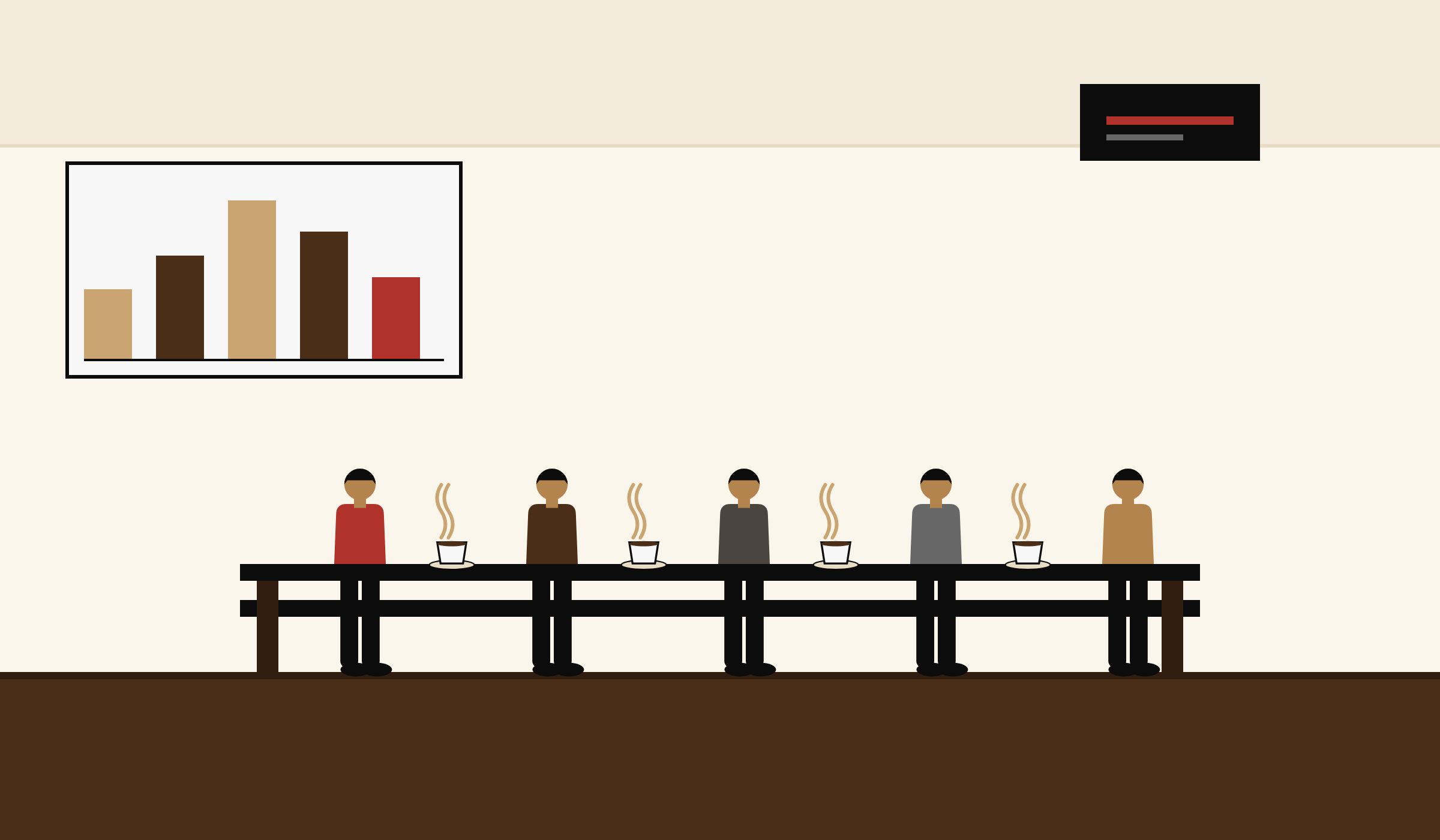
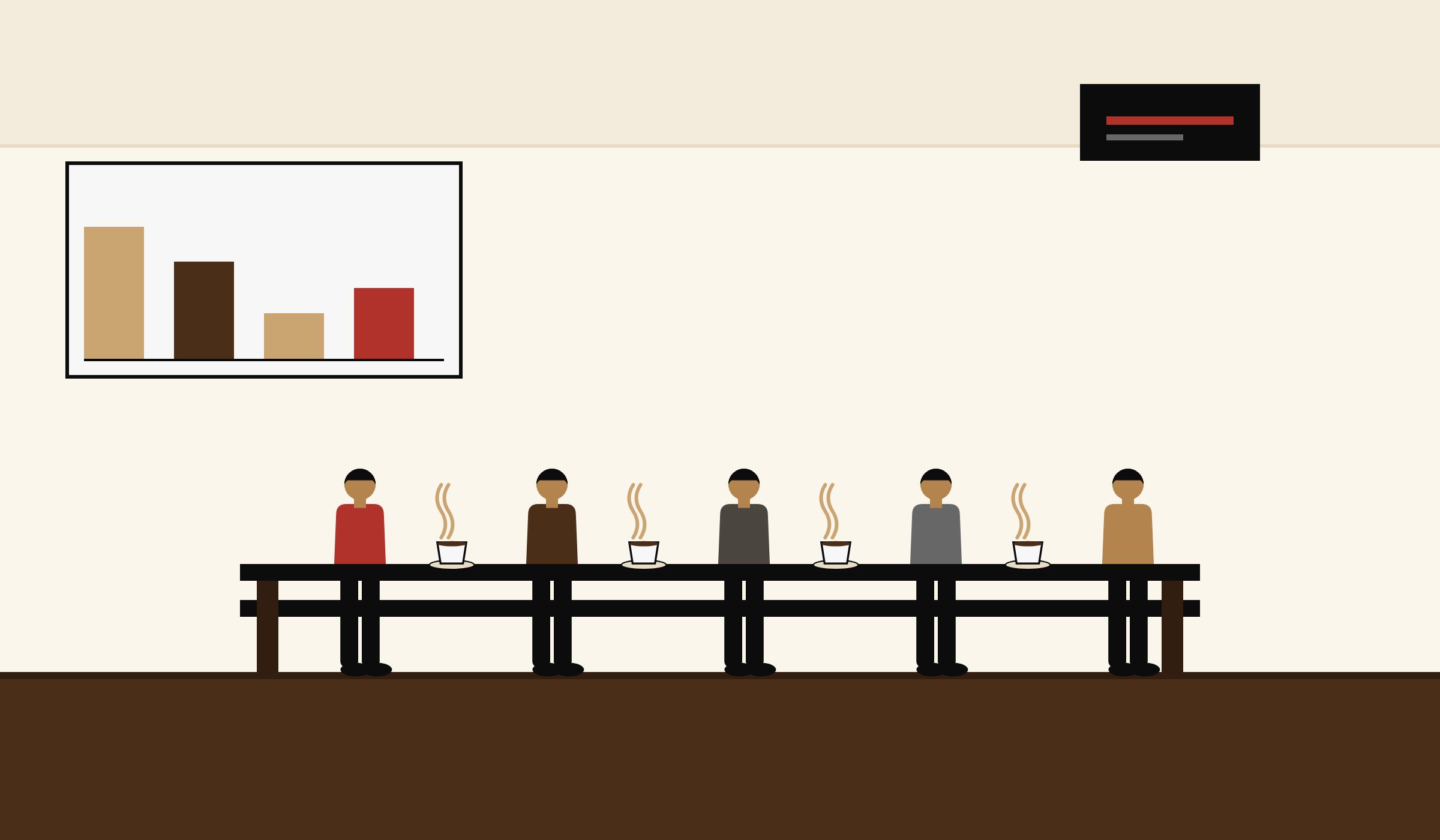
The behaviour of those rates is best understood through the morning rush at a well-run cafe. The machine goes down for twenty minutes at the busiest hour, orders pile up, and a line forms out the door. In a badly run shop, panic sets in, the backlog never clears, and the owner starts charging more because demand suddenly outstrips a crippled supply. In a well-run shop, the staff simply work through the queue once the machine is back, drawing on the slack they always kept in reserve, and by mid-morning the line is gone and the price of a flat white is exactly what it was yesterday. The customers who waited barely remember it happened. The outage was real, but the system had the capacity to eat it.
That is what the flat air rates are saying about US air cargo. The absence of a price surge after a genuine disruption is evidence of slack, of a freight network carrying enough spare capacity to clear a backlog without having to ration access by price. A system running at the absolute edge would have spiked the moment the outage hit, because there would have been no reserve to draw on. The fact that it did not spike tells you the cushion was there, and a cushion is worth noticing, because it is precisely what disappears first when conditions genuinely tighten.
As AJOT reported in its weekly update, the recovery came without the rate surge an outage might have produced, even as new US-China frictions gather ahead of the talks. And that juxtaposition is the whole point. The resolved disruption, the ATC outage, revealed a system with room to spare. The approaching one, the trade tensions, is the test of whether that room survives. A backlog from a one-off technical failure is the easy case, because it clears the moment the machine comes back. A structural shift in US-China trade is the hard case, because it does not clear. It relocates, reroutes and reprices the whole flow of goods, and it eats slack rather than restoring it.
So the sober read is to enjoy the reassurance without mistaking it for immunity. The network just demonstrated genuine resilience, and that resilience is real and worth something. But resilience is a stock, not an infinite supply, and the thing that proves you have a cushion is also the thing that starts spending it down. One shock cleared cheaply. The next one, if the talks sour, will tell you how deep the reserve actually goes.
The machine came back, the queue cleared, and the price never blinked. The question hanging over the counter is whether it stays that calm when the next outage is not a glitch but a decision.