The Froth Comes off the Oil Price
The most revealing thing about oil falling thirteen percent was the market that refused to care.
Crude dropped hard as the war and sanctions risk premium drained out of the barrel, the fear discount that had been padding every quote unwinding in a hurry. A thirteen percent fall in a headline commodity is the kind of number that usually drags everything behind it, rattling inflation forecasts and sending rate traders scrambling to reprice the future. And yet the bond market, the coldest and least sentimental room in all of finance, barely flinched. It did not treat the cheaper oil as permanent. It noted the move, filed it, and carried on.
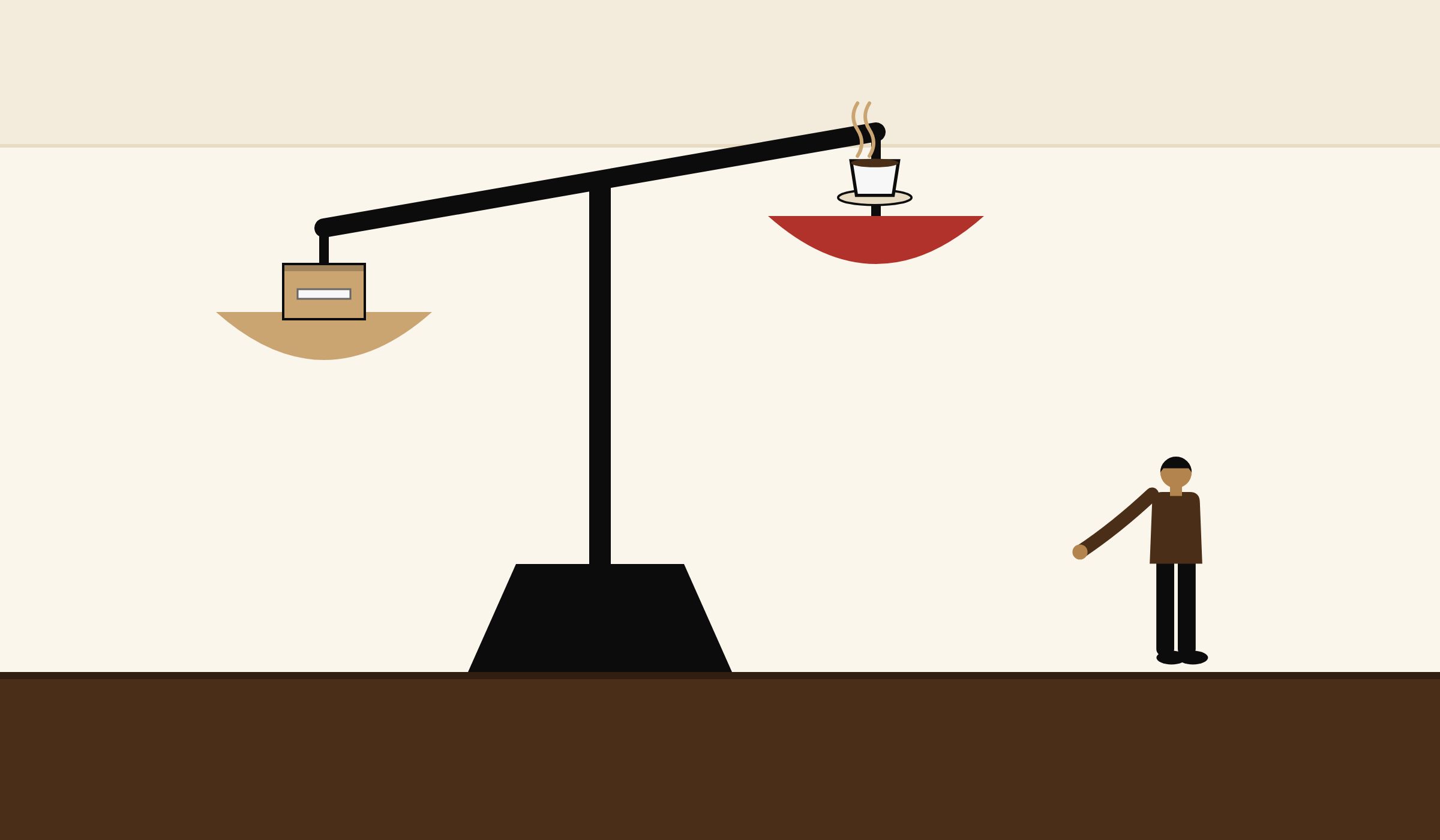
The best way to understand the gap is to stand at the counter and watch a cappuccino get made. The barista pours, and a tall, glossy head of foam rises over the cup, and for a moment the drink looks enormous, generous, worth every cent of the price. Then it settles. The froth was mostly air, and air does not survive contact with time. What is left underneath is the actual coffee, which was always the thing you were buying. Nobody who drinks cappuccinos regularly mistakes the collapse of the foam for the disappearance of the drink. They know the froth was never the coffee.
The war premium is froth. It is the layer of air that geopolitics pumps into the price when a president rattles a strait or a sanctions headline crosses the wire, and it looks substantial right up until the moment the tension eases and it settles back down to the liquid beneath. The thirteen percent that came off was largely that air, the part of the price that existed because traders were paying for the possibility of disruption rather than for barrels actually failing to arrive. When the possibility receded, the air went with it, and the price found the level it had been standing on all along.
This is why the bond market stayed so calm, and the calm is the real signal. As Moomoo noted, oil fell thirteen percent while interest rates barely moved, and that divergence is a judgement, not an oversight. Bonds price the long run, the structural cost of energy over years, the trend inflation that actually drives policy. They can tell the difference between a premium deflating and supply genuinely collapsing, between foam settling and coffee being poured away. A spike that was mostly fear leaves almost no mark on the ten-year, because the ten-year was never fooled by the froth in the first place.
The companies caught in between are the ones learning the lesson in real time. A driller that budgeted around the frothy price mistook air for substance and will feel the settle as a shortfall. A manufacturer that treated the spike as temporary and hedged accordingly gets to enjoy the cheaper liquid without having overpaid for the foam. The discipline that separates the two is exactly the discipline of the regular at the counter: never confuse the size of the head with the size of the drink.
There is a tidy humility in all of this for anyone who got loud about oil only going one way. The market as a whole, and the bond market in particular, treated the drop as a reversion rather than a revolution, which is usually the correct call for a move driven by sentiment rather than scarcity.
Froth is theatrical and it is temporary. The coffee is what you paid for, and the coffee, as it turns out, was priced about right the whole time.