The Deal That Hinged on the Aftertaste
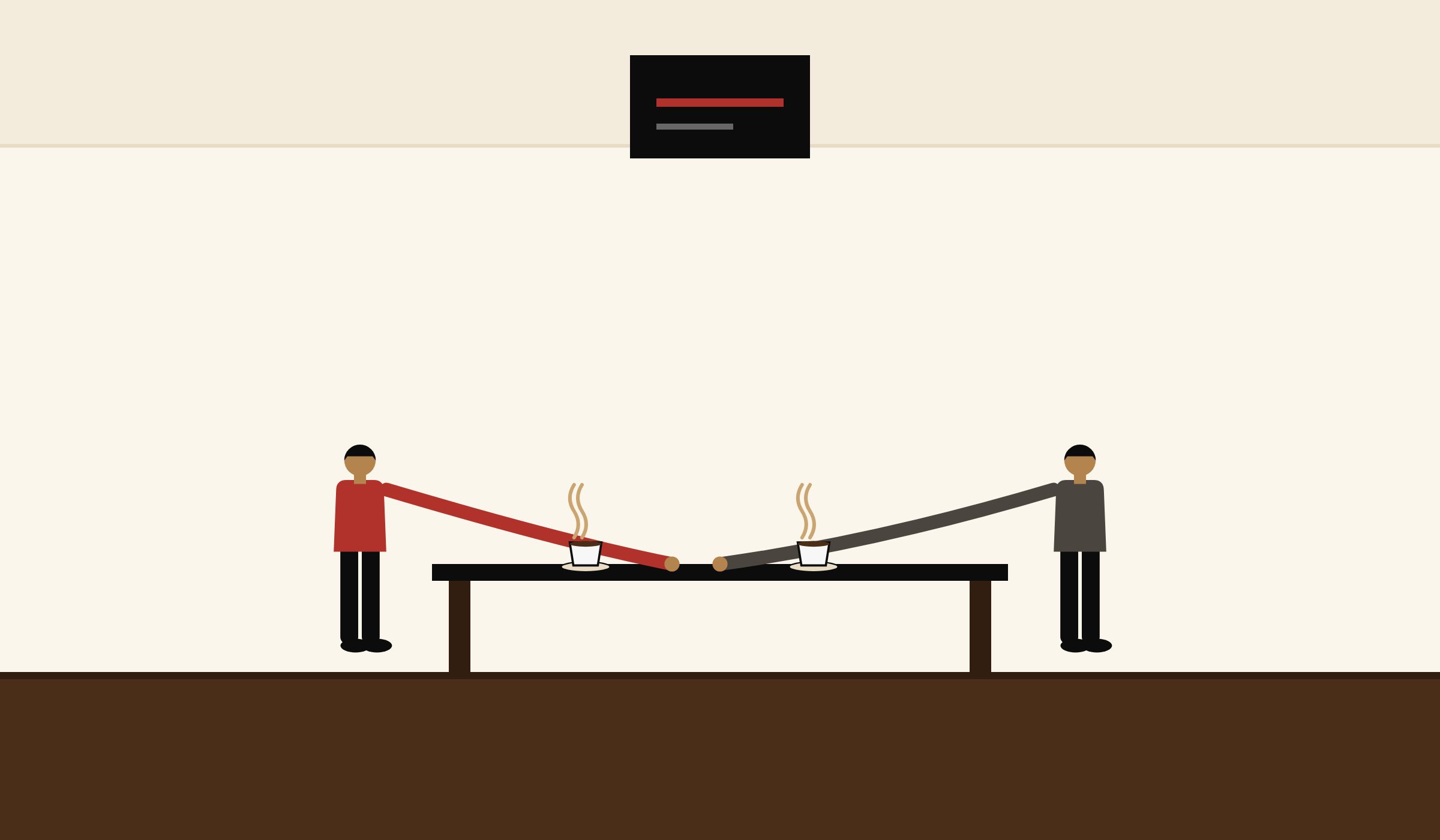
Two of the world's hungriest markets just agreed to sit at the same table, and the thing that nearly flipped it was a single ingredient. The European Union and Indonesia have signed an ambitious trade deal, and for all its scale the fight came down to palm oil and the forests it grows in. That is the detail worth chewing on, because it tells you how modern trade actually gets closed.
Indonesia is the largest palm oil producer on the planet, and Europe is a buyer that has spent years tightening its rules on deforestation. Put those two facts in the same room and you have the whole negotiation in miniature. One side wants market access for a commodity that underwrites its economy. The other wants assurance that the commodity did not arrive with a felled rainforest attached. As Business Recorder reported, that tension was the sticking point, and the agreement carries regulatory cooperation mechanisms built to keep working it long after the signatures dry.
Here is where the coffee lens earns its place. Anyone who has tried to blend two single-origin beans knows the hard part is not finding two good coffees. It is getting them to agree on a flavour. A bright, acidic Kenyan and a heavy, earthy Sumatran will fight each other in the cup if you just dump them in the hopper and hope. The blend only works when the roaster builds a ratio deliberately, tastes it, adjusts, and tastes it again. You do not fix a blend once and walk away. You maintain it, because green coffee changes with every harvest and the profile drifts if nobody is watching the roast.
That is exactly what a regulatory cooperation mechanism is. It is not a one-time pour. It is the standing agreement to keep tasting the cup. Europe did not simply demand clean palm oil and Indonesia did not simply promise it. They wrote a process into the deal for handling the disputes that will inevitably arrive when a deforestation standard meets a plantation economy, because both sides understand the harvest will change and the terms will need re-tasting. The forest clause is not a footnote. It is the roast curve the whole blend hangs on.
The insight is that the headline numbers in a trade deal are rarely what decides whether it survives. Market access is the easy part, the two good beans everyone agrees are good. The survival of the thing depends on the mechanism for managing the one ingredient both sides care about most and disagree on hardest. Palm oil was never going to sink this deal on volume. It could have sunk it on trust, and trust in trade is not a declaration, it is a procedure you commit to repeating. The EU and Indonesia did not resolve deforestation. They did something more durable - they agreed on how they will keep arguing about it productively.
That is the quiet sophistication here, and it is why the deal counts as ambitious rather than merely large. A blend that only tastes right on the day it is cupped is a bad blend. A blend engineered to hold its profile across seasons, with someone always standing at the roaster ready to adjust, is a business. Europe and Indonesia just built the second kind. The forests are the beans everyone is watching, and the cooperation mechanism is the roaster who never leaves the room. Now comes the part that decides everything - whether both of them keep showing up to taste.