The Deal Is Always Almost Ready
"Close" is the most elastic word in geopolitics, and nobody stretches it like a man announcing a trade deal he has not finished. Donald Trump says the agreement with Mexico is nearly there, the kind of nearly there that has lived in press conferences for months, while Mexico's own readout quietly describes a conversation that runs well beyond the tariff rates everyone keeps talking about. One side is selling the headline. The other is reading the fine print aloud and discovering it is a book.
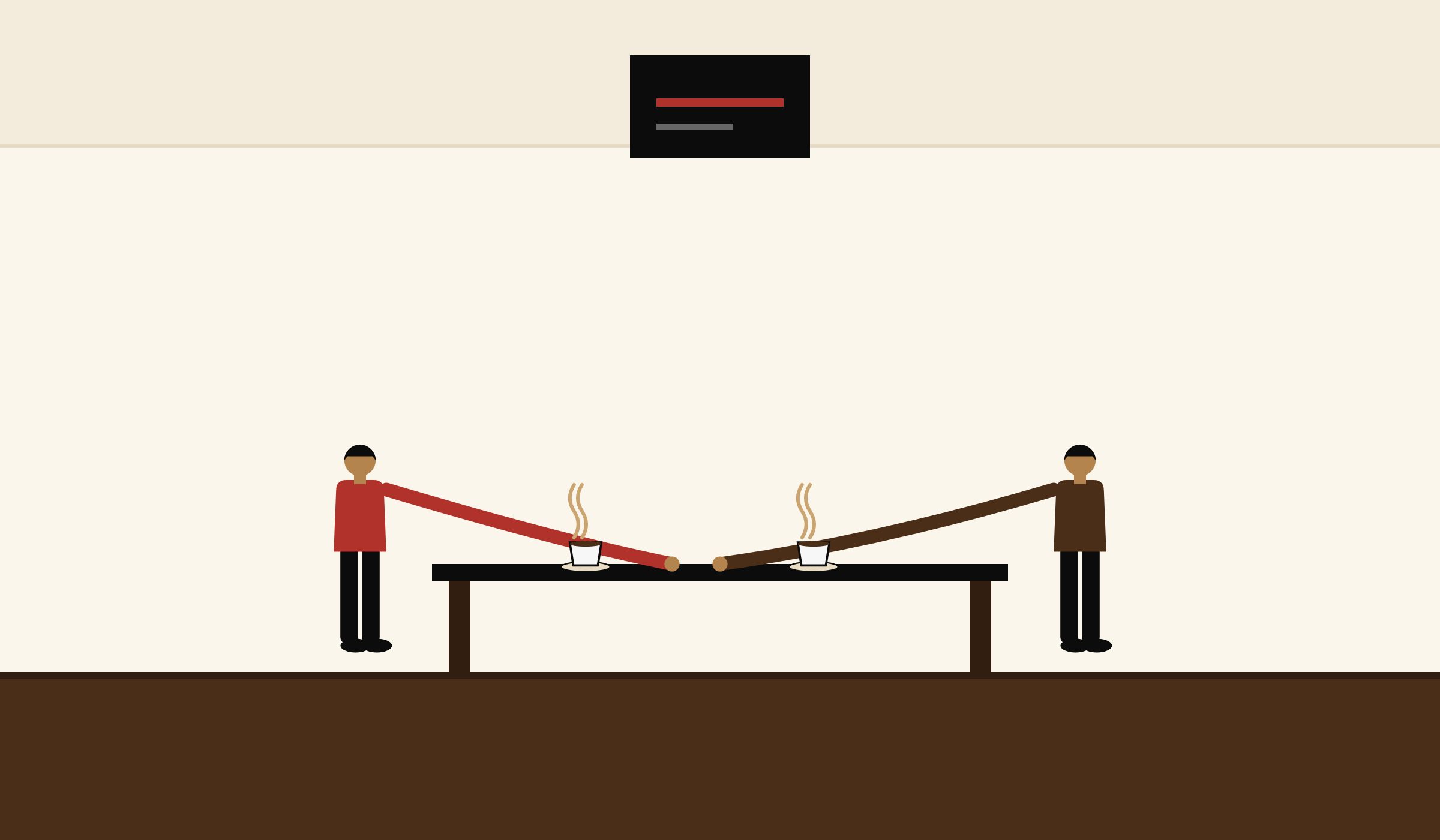
The gap between those two accounts is the whole story. Trump's version is a number - a tariff percentage, a handshake, a win to hold up. Mexico's version is a process, the slow work of reconciling rules of origin, labour terms, agricultural access and the dozen other clauses that decide whether a "deal" is a document or a mood. As The Eastern Herald reported, Mexico's framing puts the substance well past the tariff line Trump keeps pointing at. The two capitals are describing the same negotiation the way two people describe the same meal - one remembers the bill, the other remembers the three hours it took to eat.
Anyone who has watched coffee get made understands the deception in the word "ready." The machine hisses, the crema forms on top, and the untrained eye calls it done. But the extraction is still running underneath that handsome surface, and the last few seconds decide whether you are drinking balance or bitterness. Pull the shot too early because it looked finished and you get something thin, sour, all promise and no body. Trade deals extract the same way. The tariff headline is the crema - the thing you see first, the thing that photographs well. The structural terms are the shot still pouring beneath it, and those are what you actually taste for the next decade.
Here is the insight the dueling statements give away for free. When one party talks price and the other talks terms, they are not close at all - they are at different stages of the same cup, and only one of them is being honest about the clock. Announcing a deal is a political act, completing one is an administrative marathon, and the distance between them is exactly where leverage hides. Mexico's careful language is not foot-dragging. It is the restraint of a party that knows the crema is not the coffee, and that signing a thin agreement to meet someone else's photo-op is how you end up renegotiating the whole thing in eighteen months.
So the deal is close, in the way an espresso is close the moment it starts to pour. True, technically, and almost completely uninformative about what ends up in the cup. The grind still has to be right, the pressure has to hold, and somebody has to decide when to stop the shot - and in trade, nobody ever wants to be the one caught stopping it too soon. Trump will keep calling it nearly done because nearly done is a finished product in the market he sells to. Mexico will keep calling it ongoing because ongoing is the truth in the market it actually has to live in.
Watch which word survives contact with the signing table. Deals announced as crema have a habit of going cold before anyone drinks them, and the ones that last are the ones somebody had the patience to let finish. Trade, like espresso, punishes the impatient with a taste they remember. The headline says almost ready. The fine print says keep pouring.