The Barrel Got Cheaper, the Mortgage Stayed Bitter

A drop in the price of coffee beans does not land in your morning cup, and anyone who has watched commodity prices fall while café prices held steady already knows the punchline. Oil prices keep sinking, and yet mortgage rates are not getting much help. The cheaper barrel is real, the relief at the pump is real, and still the single biggest monthly cost for most households - the home loan - refuses to come down in step. The bean got cheaper. The cup stayed bitter.
The context is a hopeful assumption that keeps failing. Falling oil cools inflation, the thinking goes, and cooler inflation should bring down the rates that govern mortgages. It is a clean story and it is only partly true. Mortgage rates do not track the oil price; they track the bond market, long-term inflation expectations, and a thick layer of lender spreads and risk premiums that sit between the raw input and the rate a borrower is actually quoted. Oil can sink all it likes. If the rest of that chain stays firm, the borrower feels almost nothing.
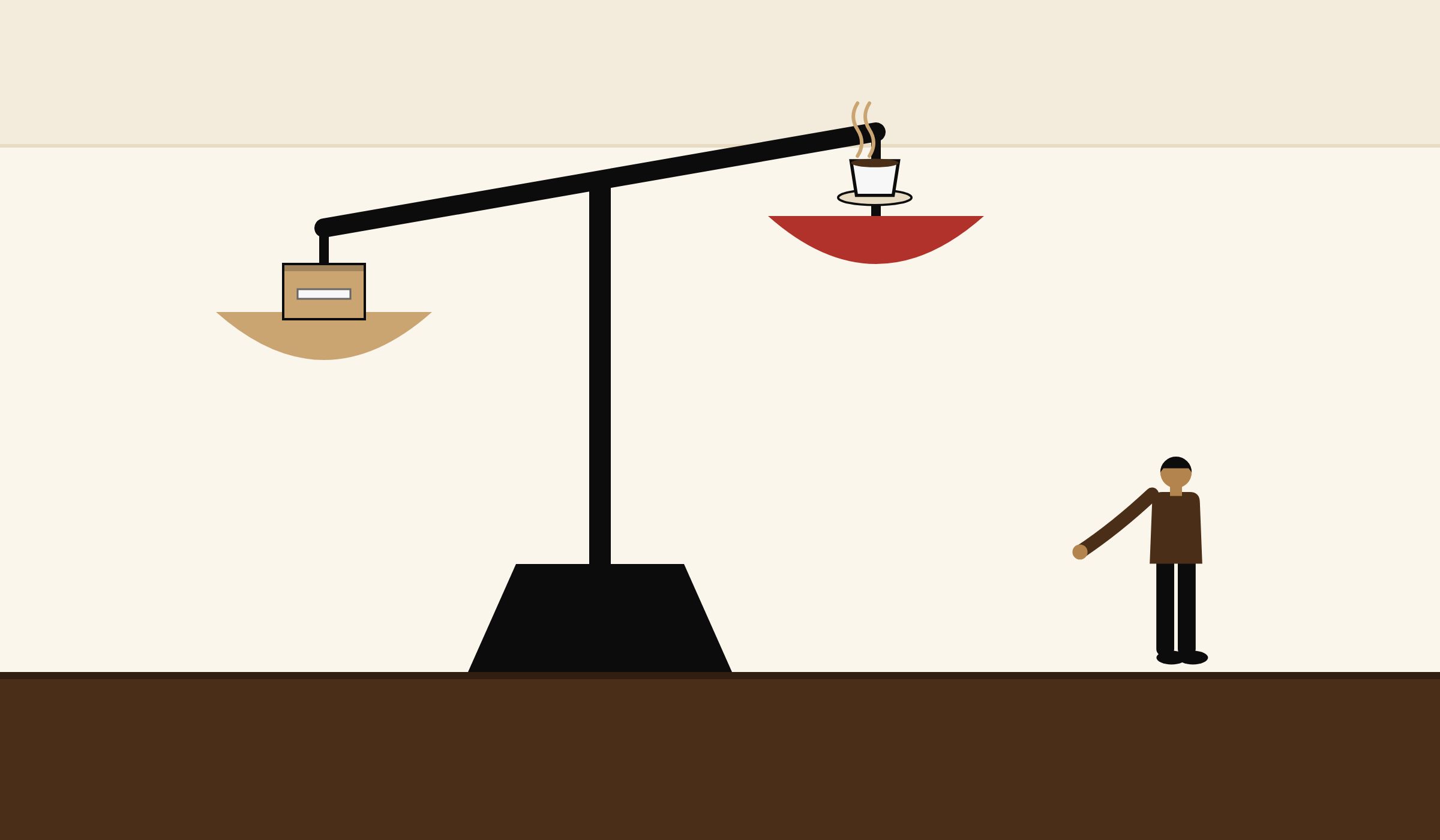
The coffee lens makes the disconnect obvious. The price of green beans is one input into your latte, and a small one. Between that bean and the price on the menu sit the roaster, the shipping, the café's rent, the barista's wage, and the owner's margin. Drop the bean price and the menu barely moves, because the bean was never the expensive part of the cup. Oil is the green bean of the mortgage market - an input, genuinely cheaper, but buried under a pipeline of costs and expectations that are setting the final price. Cheap crude does not reach the borrower for the same reason cheap beans do not reach the drinker.
The insight is that a cheaper input is not a cheaper product when the pipeline between them holds firm. As The Truth About Mortgage reported, oil's continued slide has done little for mortgage rates, which answer to bond yields and inflation expectations rather than to the barrel directly. That gap is where a lot of household optimism goes to die. People see fuel getting cheaper and assume the cost of money will follow, when the cost of money is listening to an entirely different conversation - one about long-term inflation, fiscal supply, and what lenders demand to part with cash for thirty years.
There is a hard-won lesson here for anyone who budgets on a headline. A falling commodity price is a genuine good, but it is not a universal discount, and it does not propagate evenly through the economy. The pump responds fast because fuel is almost pure input. The mortgage responds slowly or not at all, because it is almost pure pipeline. Knowing which of your costs are bean and which are pipeline is the difference between realistic planning and waiting for relief that structurally cannot arrive from the source you are watching.
So the barrel keeps sinking, and the homeowner keeps paying. There is nothing contradictory in it once you stop expecting the bean to set the cup. Oil is doing exactly what a cheap input does - getting cheaper - and the mortgage is doing exactly what a pipeline-dominated price does, which is holding firm against the current.
Cheaper beans, same bitter cup. The oil price fell for everyone and the mortgage got the memo for no one - a reminder that the cost you feel most is rarely the one that just went on sale.