Selling the Bill to the People Who Pay It
Every government eventually learns that the toughest counterparty is not across a border. It is at home, reading the receipt. Ottawa's most difficult trade deal right now is not with Washington or Beijing - it is with Canadians, who are being asked to accept a fiscal gap whose origin story is more flattering than the panic around it suggests.
The framing matters because the gap is not a story of runaway recklessness. Much of it traces to lower oil prices, and oil is a commodity that has since rebounded. As the Toronto Sun laid out, a large share of the shortfall was a revenue problem driven by cheap crude, not a spending problem driven by appetite. The barrel fell, the receipts thinned, and the arithmetic went red. Then the barrel climbed back. The hole was dug by a price, and the price has already started filling it back in.
Think of it the way a cafe owner thinks about a bad month. Your espresso machine did not break. Your rent did not double. Green coffee futures simply spiked, your cost per cup jumped, and your margin got thin while you held the retail price steady so you would not scare off the morning regulars. On paper the month looks alarming. But any owner who has run the counter through a few harvests knows the commodity curve is a wave, not a cliff. You do not rip up the business model because beans got dear for a quarter. You ride it, because the futures that burned you in spring tend to ease by autumn, and they did.
That is the honest shape of Ottawa's position, and it is why the real negotiation is domestic. The hard part is not fixing the number. The hard part is explaining a commodity cycle to an audience that was handed a scary headline and told to feel it in their gut. A fiscal gap sounds like a verdict on competence. A revenue dip caused by oil prices that have already recovered sounds like weather - unpleasant, temporary, and nobody's personal failing. Those are two completely different conversations, and only one of them wins a vote.
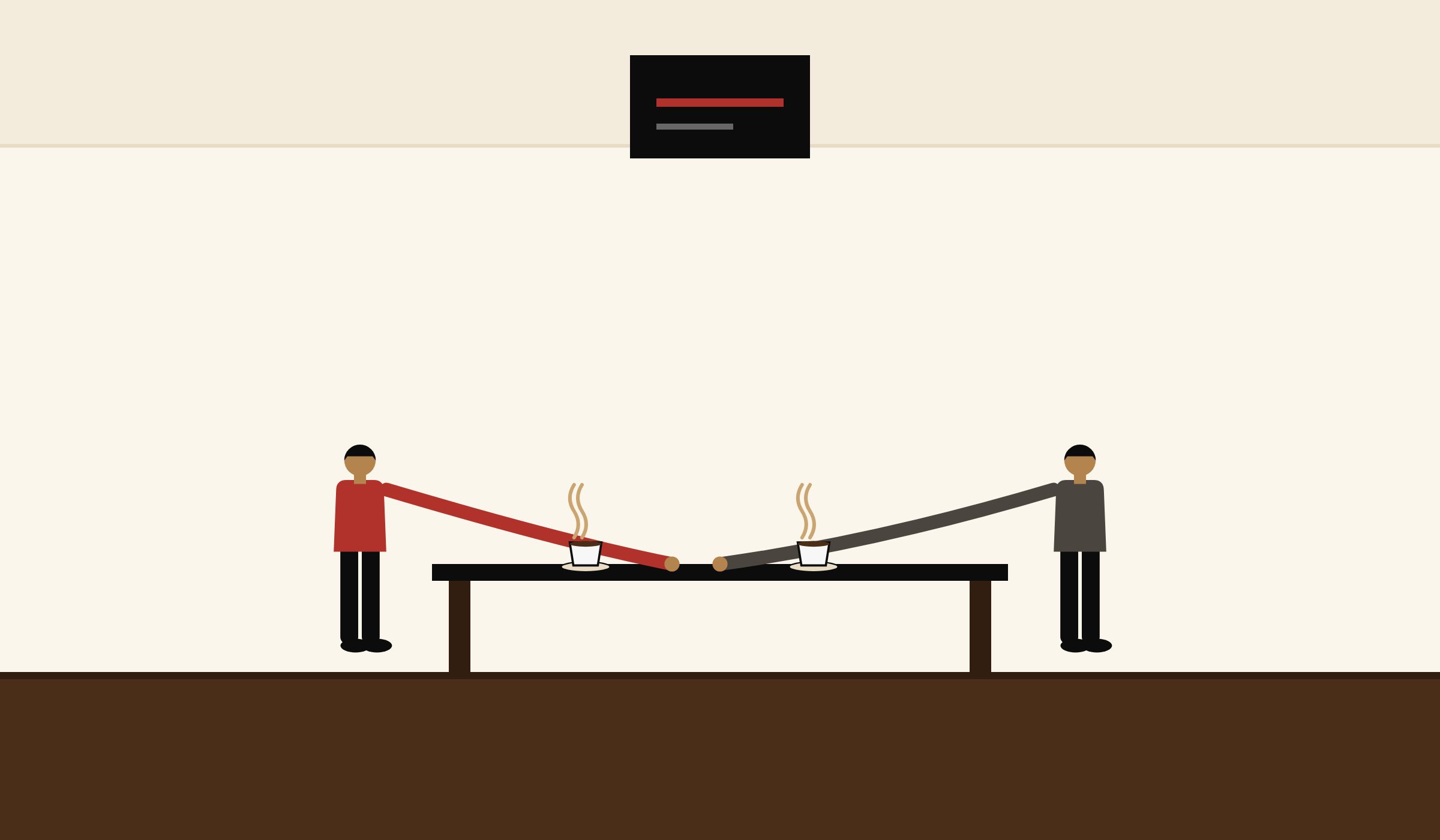
The insight is that selling a budget to your own citizens is the most underrated trade deal any government does, because you cannot threaten tariffs on the electorate or walk away from the table. You have to actually persuade. And persuasion gets harder, not easier, when the facts are in your favour, because a nuanced truth - the oil fell, the receipts thinned, the oil came back - is a worse soundbite than a simple fear. The cafe owner who tells regulars "beans were expensive for a bit, we're fine now" is telling the truth and still losing the argument to the customer who heard "the cafe's in trouble" and never came back to check.
So Ottawa's challenge is a communications problem wearing a fiscal costume. The barrel already did the unglamorous work of closing much of the gap it opened. What remains is the pour-over part, slow and deliberate, where you walk the customer through exactly what happened and why the cup in front of them is fine. Governments are good at many things and terrible at that particular brew. The numbers are recovering on their own. Whether the story recovers with them is the deal that is actually still open, and it is the one Ottawa cannot afford to let go cold.