Scalding the Pot After the Water Cooled
Turning the burner up after the water has already cooled is not caution. It is a scald, and the Fed may be about to deliver one.
The argument on the table is blunt: the Fed is making a terrible mistake, keeping its messaging hawkish and pushing nominal rates higher even as oil has dropped. The critique turns on timing. One of the loudest inflationary pressures of the recent cycle, energy, has visibly eased as crude fell, which ought to give a central bank room to soften. Instead the Fed is leaning the other way, talking tough and letting rate expectations climb, and the worry is that it is tightening into a disinflation that is already underway, applying heat to a pot that was cooling on its own.
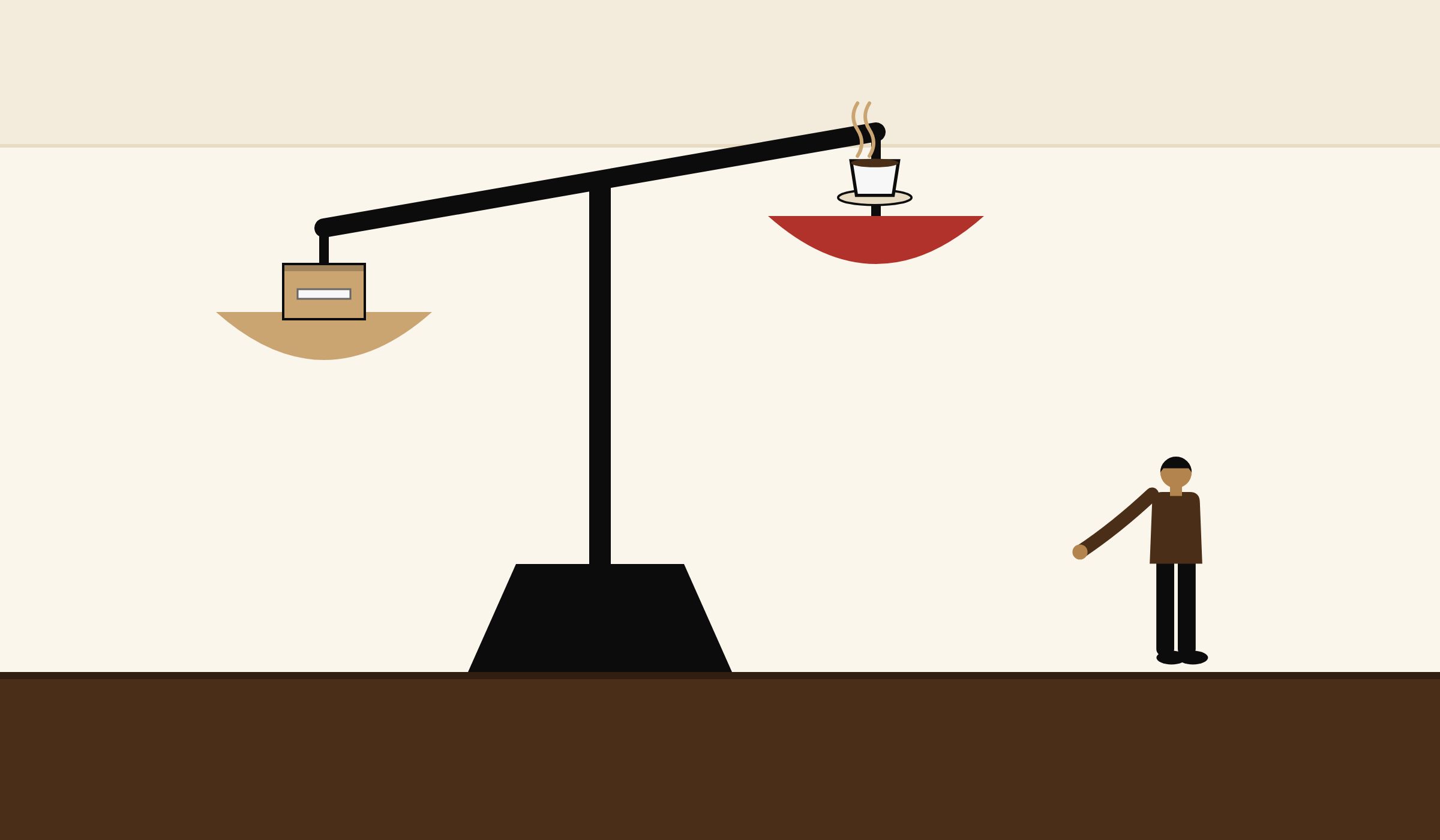
The kitchen version is painfully familiar to anyone who has ever ruined a brew through impatience. You put the water on, it climbs toward temperature, and then, distracted or anxious, you crank the heat higher just as it is settling into the right range. By the time you pour, the water is scalding, well past the window that makes good coffee, and the result is bitter and burnt. The mistake was not the decision to heat the water. The mistake was adding more heat after the water had already arrived where it needed to be, because you were watching the dial instead of the pot.
Oil dropping is the water cooling into range. It is the signal that one major source of overheating has resolved itself, that the system is drifting back toward the temperature the Fed claims to want. A central bank reading that signal correctly would ease off the burner, let the disinflation do its work, and avoid overshooting. The hawkish messaging does the opposite. By pushing nominal rates up in the face of falling energy prices, the Fed keeps the flame high even as the thing it was fighting recedes, and the danger is a monetary scald, tightening that bites hardest precisely when the economy least needs it.
As Robin J Brooks argues, the core error is that nominal rates are being driven higher by the Fed's own rhetoric at the very moment oil is pulling inflationary pressure the other way, a contradiction between what the data is saying and what the central bank is doing. A disciplined policymaker watches the pot, the real conditions on the ground, the softening prices, the easing of the pressures that justified the fight. A nervous one watches the dial, the fear of being seen as soft, the reputational cost of pausing too early, and adds heat to prove a point. The critique is that the Fed has started watching the dial.
The stakes in getting this wrong are not abstract. Over-tighten into a cooling economy and you do not just produce a bitter cup. You risk breaking something, choking off growth and employment in pursuit of an inflation threat that was already fading, and then spending the following year trying to undo damage that patience would have avoided. The asymmetry is cruel: easing a touch late is recoverable, but scalding the pot cannot be un-scalded once the water is burnt.
None of this means the Fed was wrong to fight inflation when the water was genuinely too hot. The fight was real and the heat was real. The question is only about now, about reading the moment when the pressure eases and having the discipline to turn the burner down rather than up.
A good brewer knows the hardest skill is not applying heat. It is knowing when to take it away, and doing it before the water scalds the pot.