Reading the Room When the Boss Loses the Floor
A president who loses ground at home becomes a different negotiator abroad, and everyone sitting across the table knows it before he does.
Trump's midterm setback has changed the arithmetic for India in two directions at once. The analysis runs that a weakened hand in Washington may hand New Delhi gains on trade and on oil, while simultaneously opening fresh diplomatic tests that did not exist when the president's grip was firm. Both halves flow from the same fact. Political capital is the currency a leader spends in international rooms, and a midterm reversal is a visible withdrawal from the account. The moment the balance drops, every counterpart recalculates what they can get and what they now have to manage.
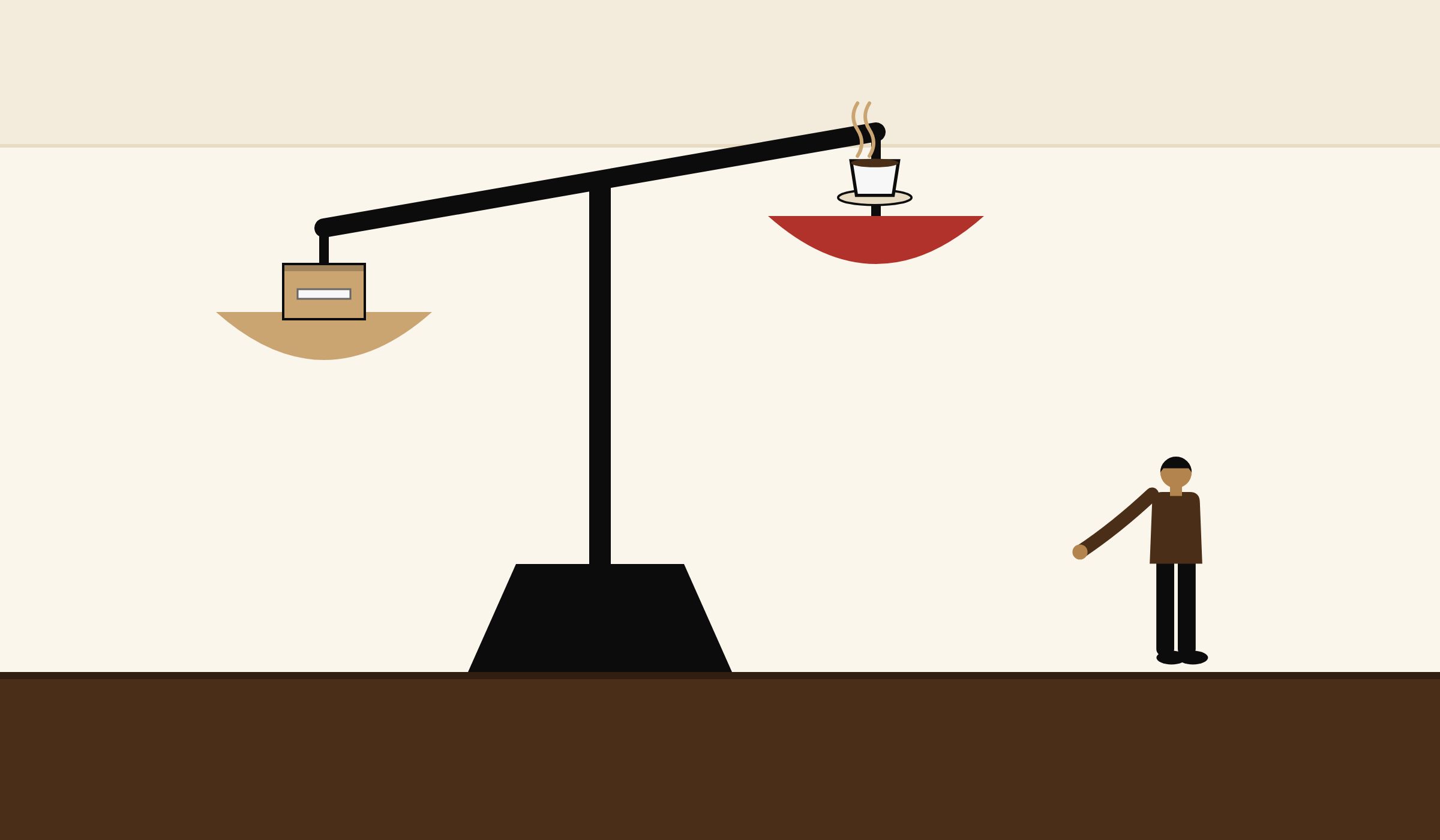
The dynamic is the oldest one in any busy cafe. When the owner is strong, present and clearly in command, the price on the board is the price, and regulars pay it without negotiation. When word goes round that the owner has had a bad week, that the till is short and the landlord is circling, the regulars start reading the room differently. The sharper ones sense they can ask for a little off, a slightly better deal, because an owner under pressure would rather keep a paying customer than defend the posted rate on principle. A weakened boss does not stop selling coffee. He simply loses the ability to insist on his own number.
That is the trade and oil upside for India. A US administration that needs wins, needs stability, and cannot afford to alienate useful partners becomes more willing to offer the favourable terms it might have withheld from a position of strength. On oil, a president distracted by domestic repair has less appetite for the kind of Gulf brinkmanship that drives prices up, which quietly suits an energy importer like India just fine. The reduced temperature in Washington translates, for New Delhi, into cheaper fuel and a softer bargaining partner, both of which are worth real money.
But the same weakness that lowers the price also makes the shop unpredictable, and that is the diplomatic test. As ET Government set out, the midterm result may deliver India concrete gains even as it forces New Delhi to navigate a more volatile and distracted America. An owner under pressure cuts you a deal one day and, cornered by his own troubles, lashes out or changes the rules the next, because a leader low on capital is a leader prone to sudden gestures aimed at an audience back home rather than at the person in front of him. The discount comes with instability stapled to it.
So the skill India now needs is less about pushing for the lowest possible price and more about reading the room correctly over time. The gains are real and should be taken, because a softer, needier Washington genuinely offers India better terms on the things that matter most to it. The caution is equally real, because those terms sit on a foundation that just shifted, and a partner spending down his political capital is a partner who may behave erratically to rebuild it.
The nations that thrive beside a weakened power are the ones that take the discount without mistaking it for a change in the house rules. Read the room, pocket the gain, and keep watching the owner's hands.
A boss who has lost the floor will still pour your coffee. He just cannot promise what mood he will be in when the bill arrives.