Reading the Grounds for Cheaper Oil

Every time an election moves, someone asks whether it will move the oil price, and the honest answer is almost always less than you would like.
The question doing the rounds is whether oil prices will keep falling after the Democrats' midterm win, and it is a reasonable thing to wonder, because elections do shift the mood music around energy. A result that changes the balance of power in Washington arrives wrapped in expectations: different noises on drilling, on climate, on sanctions, on how hard the administration leans into Gulf brinkmanship. Those expectations nudge sentiment, and sentiment nudges the price. The temptation is to read a political outcome as a forecast for the barrel. The temptation should be resisted, or at least heavily qualified.
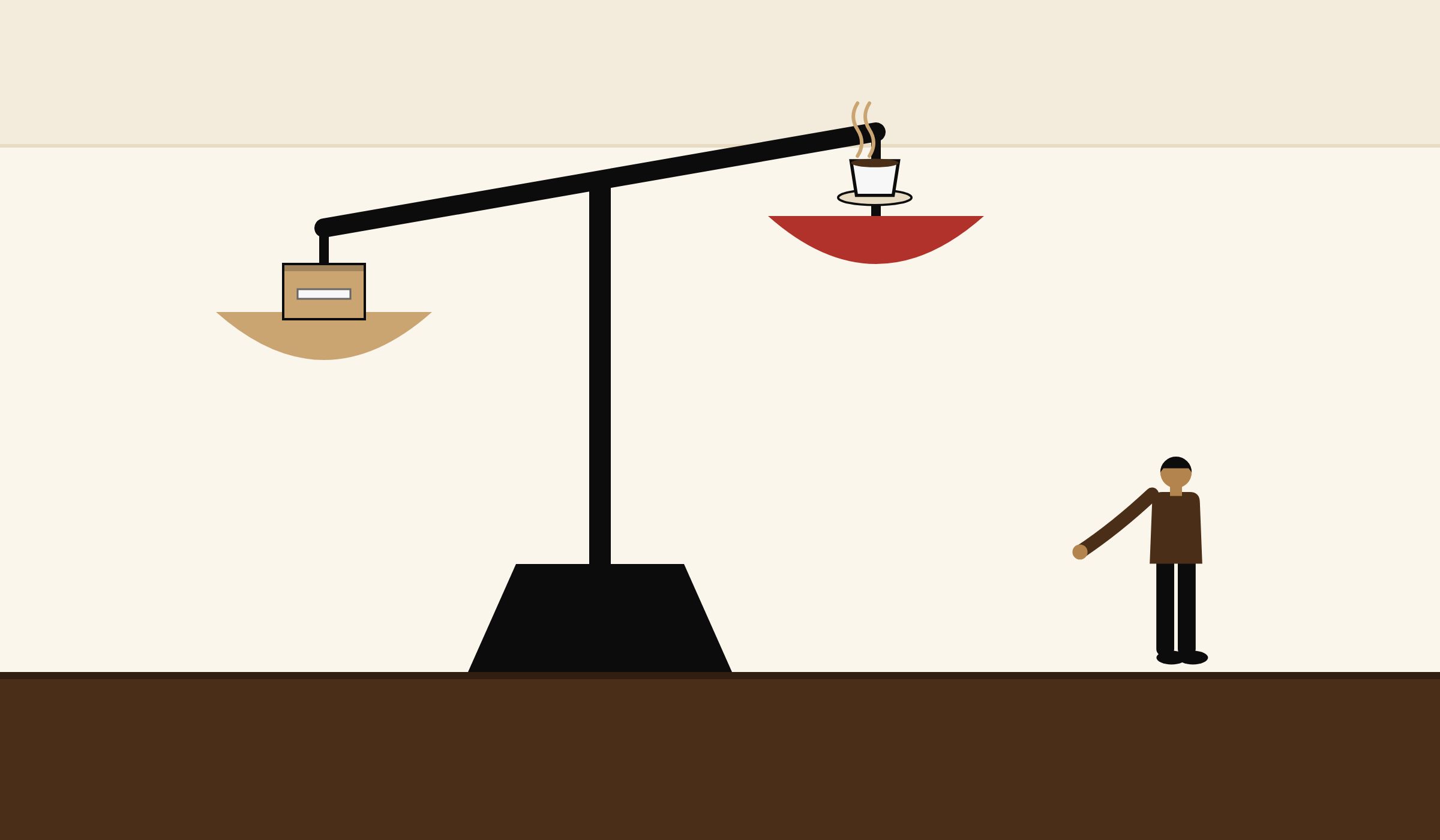
The whole exercise is a kind of fortune-telling, and it helps to be honest about which kind. There is an old parlour trick of reading the future in the grounds left at the bottom of the cup, swirling the sediment and claiming to see shapes in it. People do genuinely see shapes. The shapes are real, in the sense that the grounds really do form patterns. What is not real is the idea that the patterns predict anything, because the grounds are a record of the coffee that was already drunk, not a map of the day ahead. An election result is political grounds. You can absolutely read shapes in it. Whether those shapes tell you where crude is going is another matter entirely.
What actually moves oil is duller and more stubborn than any vote. Supply, meaning how much OPEC and the shale patch and everyone else is pumping. Demand, meaning how fast the global economy is growing and therefore how much fuel it burns. And the risk premium, meaning how frightened the market is about disruption at any given moment. A midterm result touches these only at the margins and only slowly, through policy that takes months or years to translate into barrels. The drop in oil that prompted the question was driven by the war premium deflating, not by anyone's ballot, and the ballot does not refill a barrel the premium emptied.
As GMA News set out in its explainer, the sober view is that the political event matters far less to the trajectory of crude than the physical fundamentals do, and that anyone promising a clean cause-and-effect between the midterm and the pump is reading shapes in sediment. The win may shift sentiment for a session or two. It will not override the supply-and-demand arithmetic that sets the floor and the ceiling over any timeframe worth planning around.
The useful discipline, for a reader trying to separate signal from swirl, is to keep asking a single question: does this change how much oil is produced or consumed, or does it only change how people feel about it? Elections overwhelmingly fall into the second category. They alter the atmosphere, the rhetoric, the expectations, all of which move the price in the short run and almost none of which hold it there. The barrel answers to tankers and rigs and growth, not to the composition of a legislature.
So will oil keep falling after the Democrats' win? It may, or it may not, but if it does the reason will be sitting in the production figures and the demand data, not in the result.
You can read anything you like in the grounds. Just remember they are a record of the cup you already finished, not a forecast of the one you have not poured.