Peace Is the Cheapest Ingredient in the Barrel
The cheapest thing you can put in a barrel of oil is a rumour of peace. It weighs nothing, costs nothing to mine, and it has been dragging crude lower all week on the strength of a few optimistic sentences. Oil prices continued to fall on hopes of US-Iran peace talks, with Donald Trump claiming positive momentum after meeting Qatar's prime minister - and the market, ever eager to drink before the pot has even brewed, marked the whole commodity down on the fumes.
Here is what actually happened, stripped of the swagger: two men met, one of them described the mood as good, and a global market worth trillions decided that was enough to reprice the risk premium baked into every litre of fuel. No treaty was signed. No centrifuge was switched off. No tanker changed its route. What changed was the temperature of the conversation, and in oil, temperature is half the price.
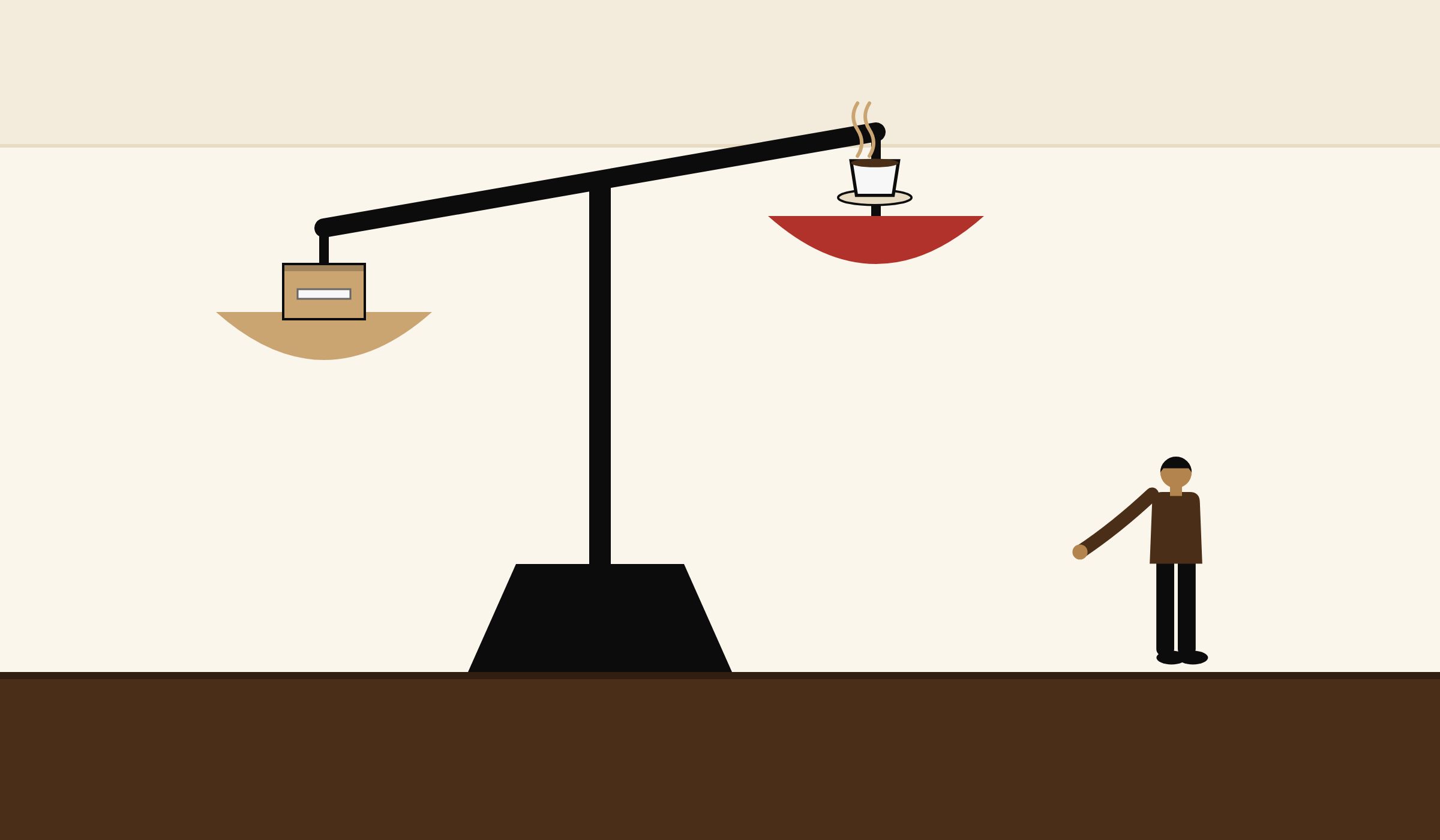
Think of the risk premium the way you would think of the smell of coffee before you taste it. The aroma arrives first and sets your expectations - rich, promising, worth the wait - long before any liquid touches the cup. Traders have been sniffing the Qatar meeting and pouring their hopes straight into the price, as though momentum described from a podium were the same as a deal delivered to the table. It is a seductive habit, because the aroma is real. The trouble is that aroma is not a drink, and a hopeful tone is not a signed agreement.
The deeper move here is that markets have learned to trade the narrative faster than the facts can catch up. As Euronews reported, it was the hope of talks, not the conclusion of them, that kept pushing crude down. That tells you something unflattering and useful about the modern commodity desk: it would rather be early on a story that might fizzle than late on one that lands. Peace, even hypothetical peace, is such a powerful discount that the mere scent of it rewrites the ledger before anyone has checked whether the diplomacy has a second act.
It is worth sitting with why this ingredient is so cheap and so potent at once. Supply, sanctions, shipping lanes, storage - those are the expensive, physical things, the beans and the water and the labour. A handshake adds none of them and removes none of them, yet it can move the price more violently than a genuine disruption, because it speaks to fear rather than fact. Fear is the most volatile component in any barrel, and the easiest to talk up or talk down from a stage in Doha.
None of this means the optimism is wrong. Momentum after a meeting is a genuine thing, and a real US-Iran thaw would be a seismic, lasting discount on energy for the whole planet. The point is narrower and sharper: the market has already drunk the aroma and billed itself for the cup. If the talks brew into something, today's price was prescient. If they cool, traders will be left holding a mug of expectation that never filled.
Oil just got cheaper on a feeling, and feelings do not refine into fuel. The barrel is pricing a handshake nobody has finished shaking - which is either the smartest early sip of the season or a long, expensive wait for a pot that was never put on to boil.