Owning the Spout the World Pours Through

"We've got their Strait" is the kind of sentence that sounds like a boast and functions like a tariff.
Oil rose after Trump declared that no deal with Iran was needed, because, in his telling, Washington already holds the thing that matters: the Strait of Hormuz, the narrow channel through which a vast share of the world's crude has to physically pass. Markets did not react to the swagger. They reacted to the logistics underneath it. A president claiming control of the chokepoint is a president claiming a hand on the valve, and the people who move oil for a living price a hand on the valve immediately, whatever they think of the man attached to it.
The tell was in the shape of the move. It was not only the front-month contract that firmed but the longer-dated futures that held up, and that distinction is everything. A short spike that fades in a week is the market pricing a headline. A firmer back end is the market pricing a condition, a belief that the cost of getting a barrel from there to here has structurally risen and will stay risen for a while. That belief did not come from the speech. It came from two unglamorous numbers that never make the front page: the price of insuring a tanker and the rate to charter one.
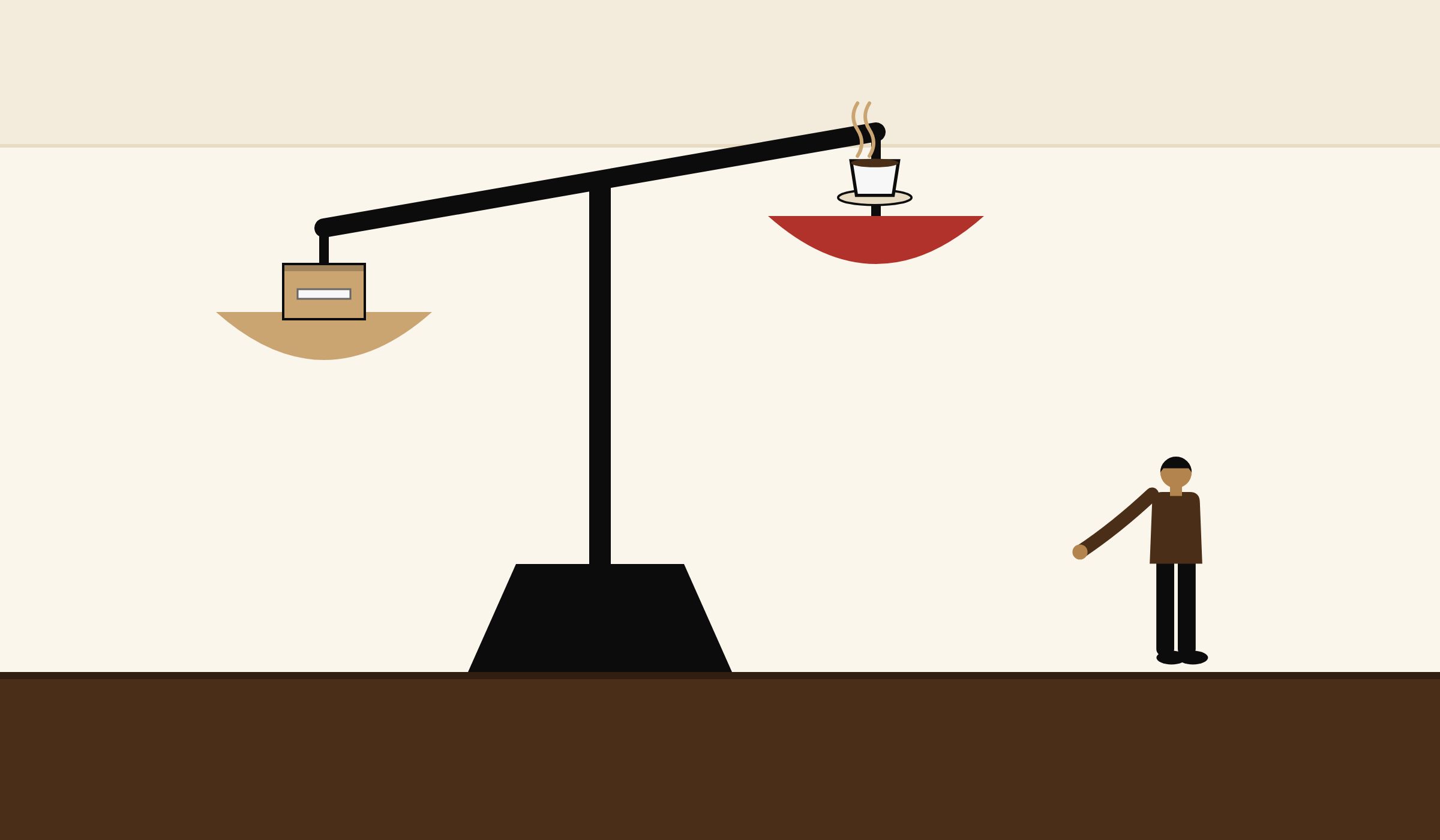
Here is the espresso of it. Imagine a single spout through which every cafe on a continent has to draw its water. Nobody drinks the spout. Nobody even thinks about it, until the day someone announces they can narrow it whenever they like. The water still flows, the coffee still gets made, but every cafe owner now quietly builds a cushion into the price, because the risk that the spout might tighten is a risk somebody has to carry, and the person carrying it wants paying. That cushion does not vanish when the immediate threat passes. It becomes part of the standing cost of doing business near a spout somebody else controls.
Marine insurance and tanker rates are that cushion made numerical. When Hormuz feels contested, underwriters raise war-risk premiums on hulls passing through, and shipowners demand more to send a vessel into waters where the headlines are loud. Those costs load onto every cargo, and because a tanker booked today delivers months from now, they load onto the forward curve, not just the spot. That is the mechanism by which a line of political bravado becomes a persistent few dollars on a barrel. As CNBC reported, the jump followed the no-deal-needed framing directly, which is the market agreeing that control of the spout is worth real money regardless of whether a drop is ever spilled.
The strategic irony is that boasting about the Strait raises the very premium it is meant to intimidate away. By making control of the chokepoint the headline, Trump reminds every trader on earth that the chokepoint exists and can be squeezed, and reminding them is enough to keep the cushion fat. Iran benefits from the same reminder in reverse, since the implied threat to the passage is the only card that keeps anyone taking Tehran's calls. Both sides are, in effect, talking the insurance market up while claiming to be in charge of calming it.
Which leaves the rest of the world paying the quiet surcharge on every litre, the toll for water drawn through a spout that two governments keep insisting is theirs.
Own the spout and you do not need the deal. You just need everyone downstream to keep believing you might one day turn it.