Oil Finds Its Level in a Storm

A market that refuses to panic during a shipping attack is not calm. It is balanced, which is a far more interesting thing, because balance means two powerful forces have fought each other to a standstill in plain sight.
Oil steadied this week, and the steadiness is the story. On one side, a genuine supply surplus - more barrels than the world currently needs - and higher interest rates that cool demand by making everything more expensive to finance. On the other side, shipping attacks in the Gulf, the kind of headline that in a thinner market would send crude spiking on fear alone. As CNBC reported, the two pressures cancelled out, and the price sat still while the world around it did not. Nothing dramatic happened to oil precisely because two dramatic things happened at once and met in the middle.
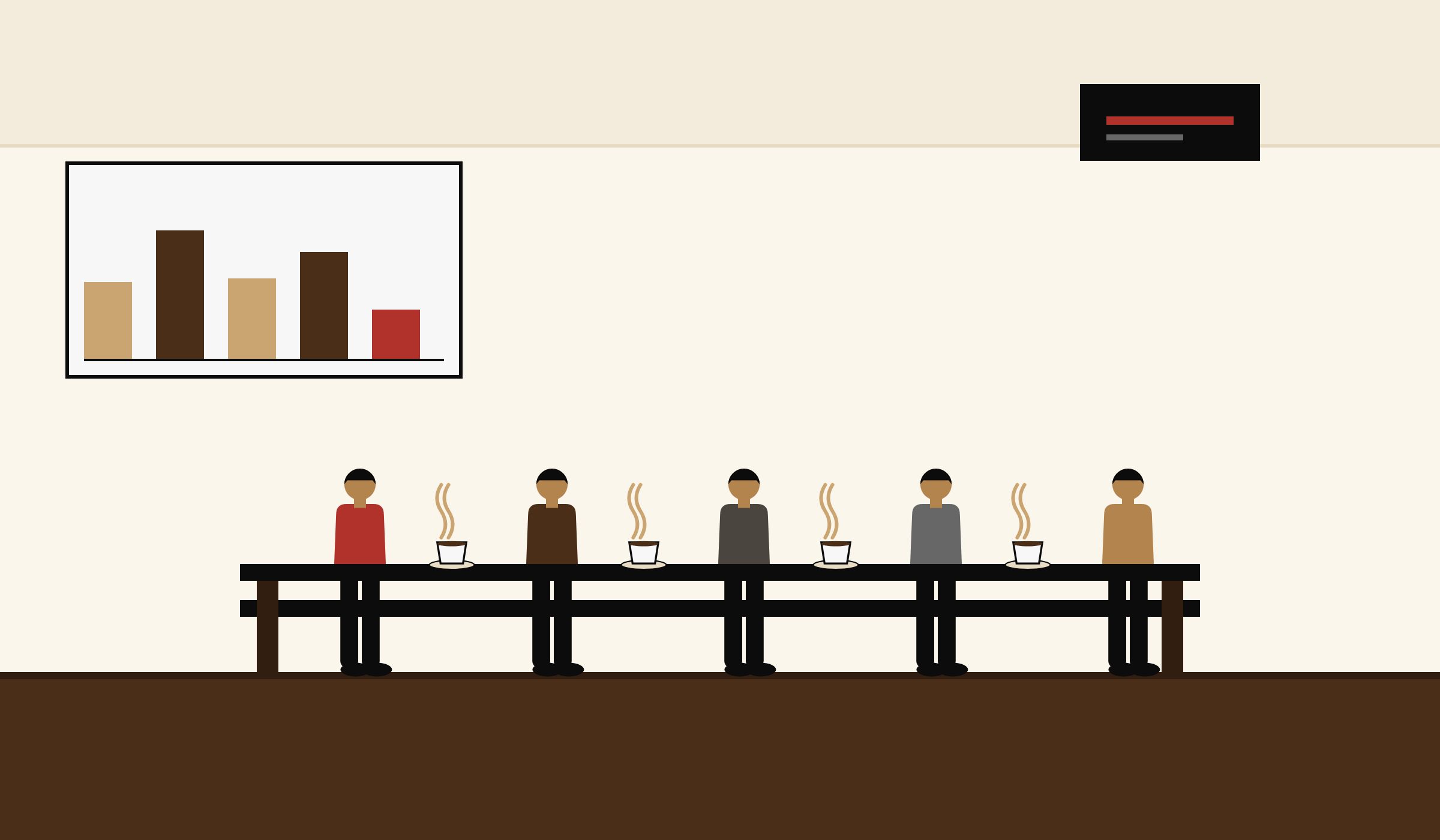
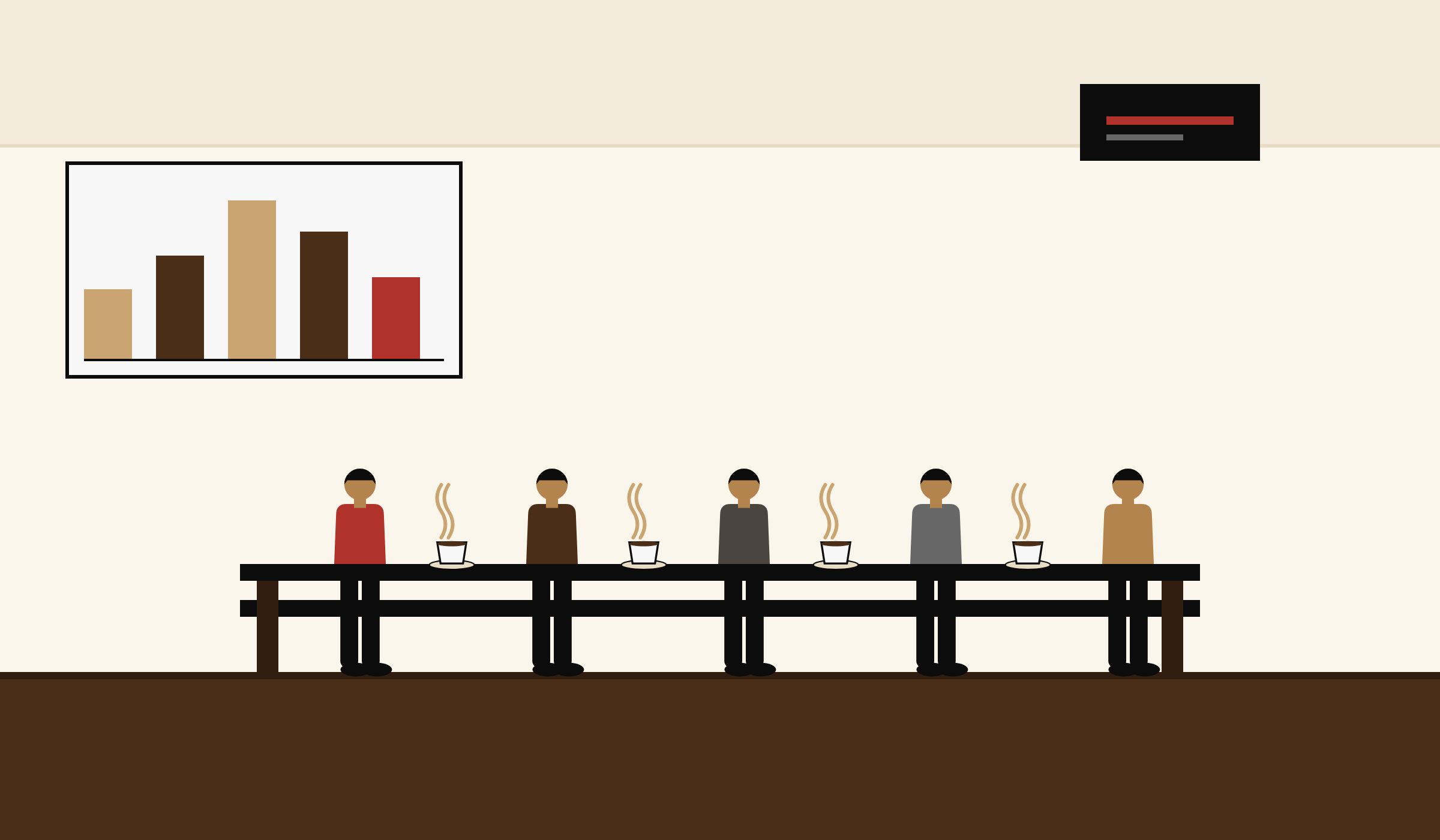
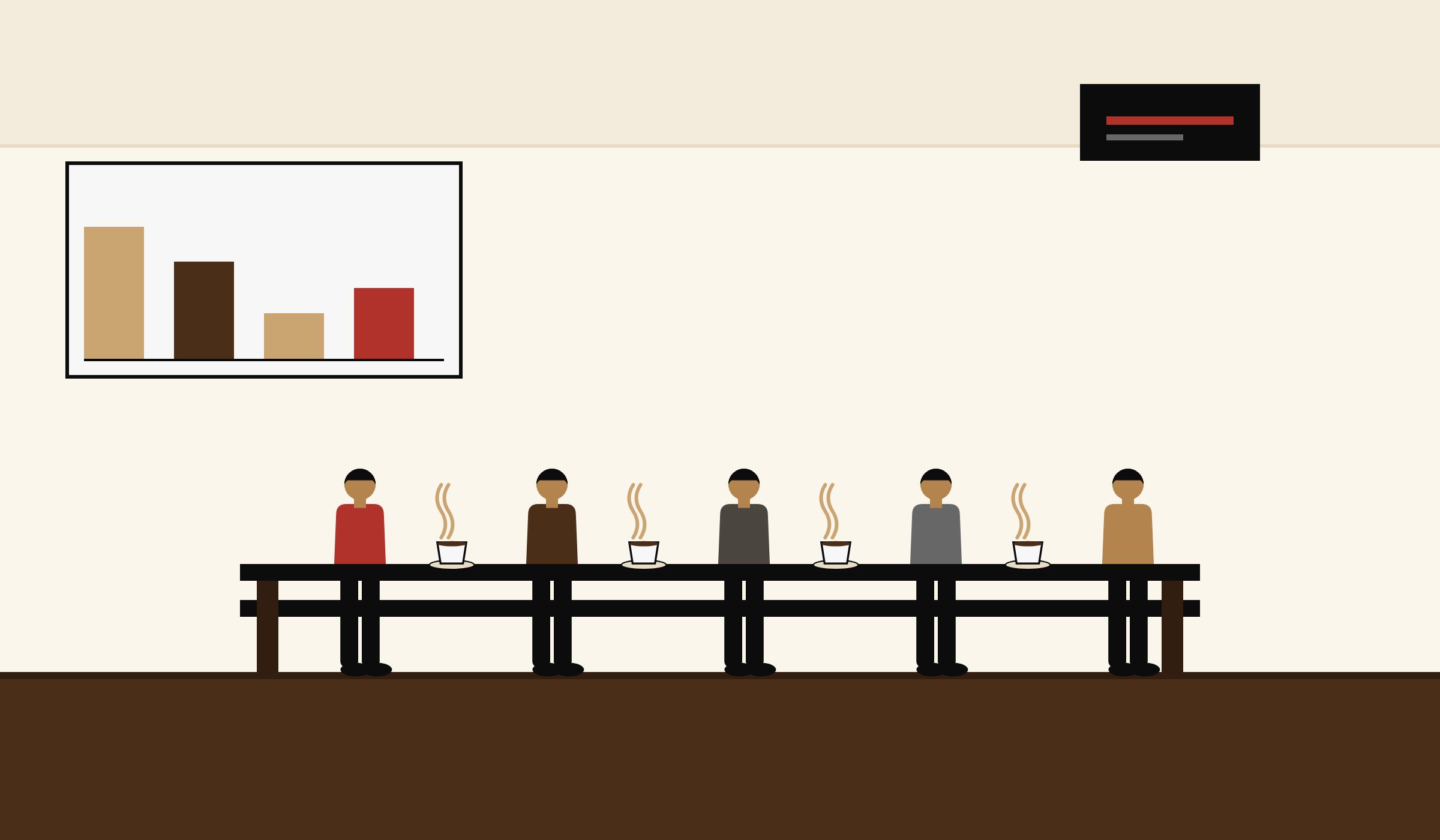
This is the market behaving like a well-constructed blend. A good espresso blend is not one bean doing everything - it is a deliberate tension between opposites. The bright, acidic beans pull in one direction; the heavy, chocolatey ones pull in the other, and the art is in the proportion that makes them hold each other steady. Pull either one out and the cup collapses toward sour or toward flat. Oil right now is that balanced blend. The surplus and the rate pressure are the dark, grounding beans weighing the price down. The Gulf attacks are the bright, volatile notes trying to spike it up. The flat price is not the absence of flavour - it is the presence of two flavours in equilibrium, each stopping the other from running away with the cup.
The insight is that a steady price during a crisis is a measurement, not a mood. It tells you the fear premium that shipping attacks would normally command has been fully absorbed by the surplus on the other side of the ledger. The market has quietly priced both the war risk and the glut, and decided they weigh the same today. That is a more sophisticated signal than a spike. A jump would tell you fear won. A crash would tell you the glut won. Stillness tells you the market is doing its actual job - finding the single number where every opposing force agrees to disagree.
Which is why traders should read calm oil as a warning as much as a comfort. Balance is a truce, not a settlement, and truces hold only as long as both sides keep their weight. Tip the surplus - a production cut, a demand surprise - and the bright notes surge. Ease the rate pressure and the fear premium has room to run. The equilibrium is real, and it is also temporary, the way a perfectly dialled blend is only perfect until someone changes the grind.
For now the cup is balanced, dark beans and bright beans holding each other in place while the Gulf makes noise in the background. The price is not asleep. It is concentrating, and a market that concentrates this hard is one that knows the blend could break the moment anyone touches the recipe.