Gold's Good Week and the Fed's Last Call
Gold had a very good week and still could not get comfortable, which tells you more about the room than about the metal.
The move itself was real. Bullion climbed roughly five percent across the week and ticked higher again as oil softened, the usual reflex of money looking for somewhere to stand while the ground shifts. Cheaper crude eases one kind of inflation worry, and a world nervous about everything else reaches instinctively for the oldest store of value it knows. By the normal rules, that should have been a clean run. Instead the gain was capped, pressed down by a single stubborn number: the market now puts the odds of a December rate hike from the Fed at around eighty percent.
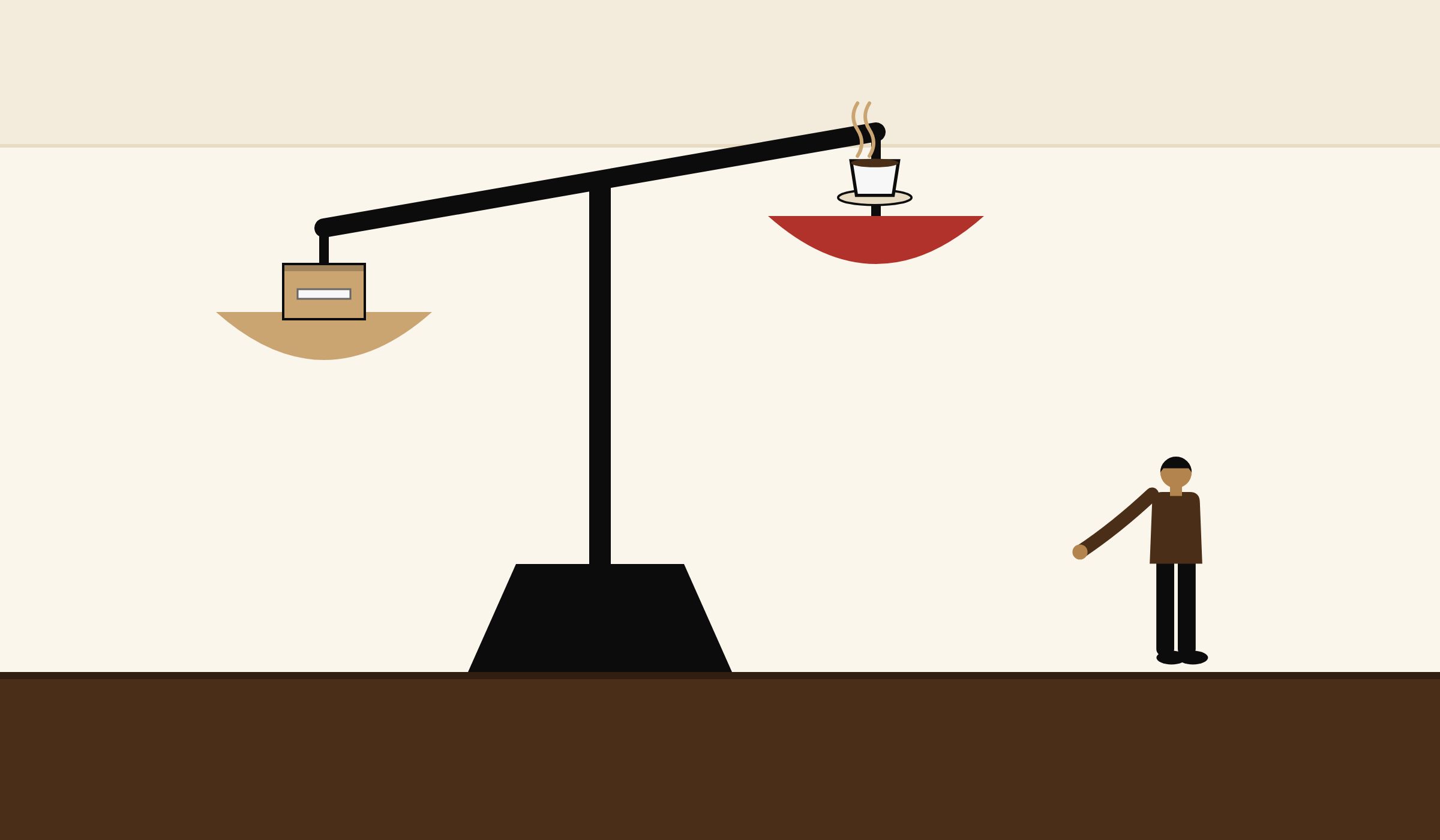
Picture the cafe fifteen minutes before close. The espresso is excellent, the room is warm, and a customer who has had a long day eyes the counter for one more cup. Every instinct says order it. Then the barista, not unkindly, starts stacking chairs and calls last orders, and suddenly that final coffee feels less like a treat and more like a decision with consequences, because caffeine this late has a price that arrives at two in the morning. The drink did not get worse. The cost of indulging in it just became visible. That is precisely what an eighty percent hike probability does to gold.
Gold pays no interest. It never has. Its entire appeal is that it holds value while everything around it wobbles, but that appeal is measured against what you give up by holding it, and what you give up is the yield you could earn elsewhere. When the Fed is widely expected to raise rates, cash and short bonds start paying more to sit still, and the opportunity cost of owning a metal that just sits there climbs with them. So the haven bid and the rate expectation pull in opposite directions at the same counter. Softer oil says buy the comfort. The December odds say watch the bill.
As investingLive framed it, the result is a market that rose but could not run, a rally wearing a leash. The near five percent already banked across the week is the long day that made the extra cup tempting. The capped close is the barista's hand on the lights. Both things are true in the same breath, which is why the tape looks indecisive to anyone expecting a story with one clean direction.
The deeper point is about who actually sets the ceiling. Traders love to describe gold as the asset that answers to fear, chaos and the failures of paper money, and on a long enough horizon that romance holds. On a weekly chart, though, the metal answers to a committee in Washington and the probability the market assigns to its next meeting. Fear gets gold off the floor. The expected path of rates decides how high the ceiling sits. This week fear did its job and the ceiling did its job, and they met somewhere in the middle, which is exactly what a capped gain is.
None of which makes the week a disappointment. Five percent is five percent, and it was earned against a headwind, not a tailwind. But it is a useful reminder of the pecking order. Gold can have the best night in the building and still not get the last cup, because the one holding the keys to the door is not the one who is thirsty.