Cars for Crude, over a First Cup

The first meeting is never where deals get done. It is where two sides find out whether there is anything worth meeting about again.
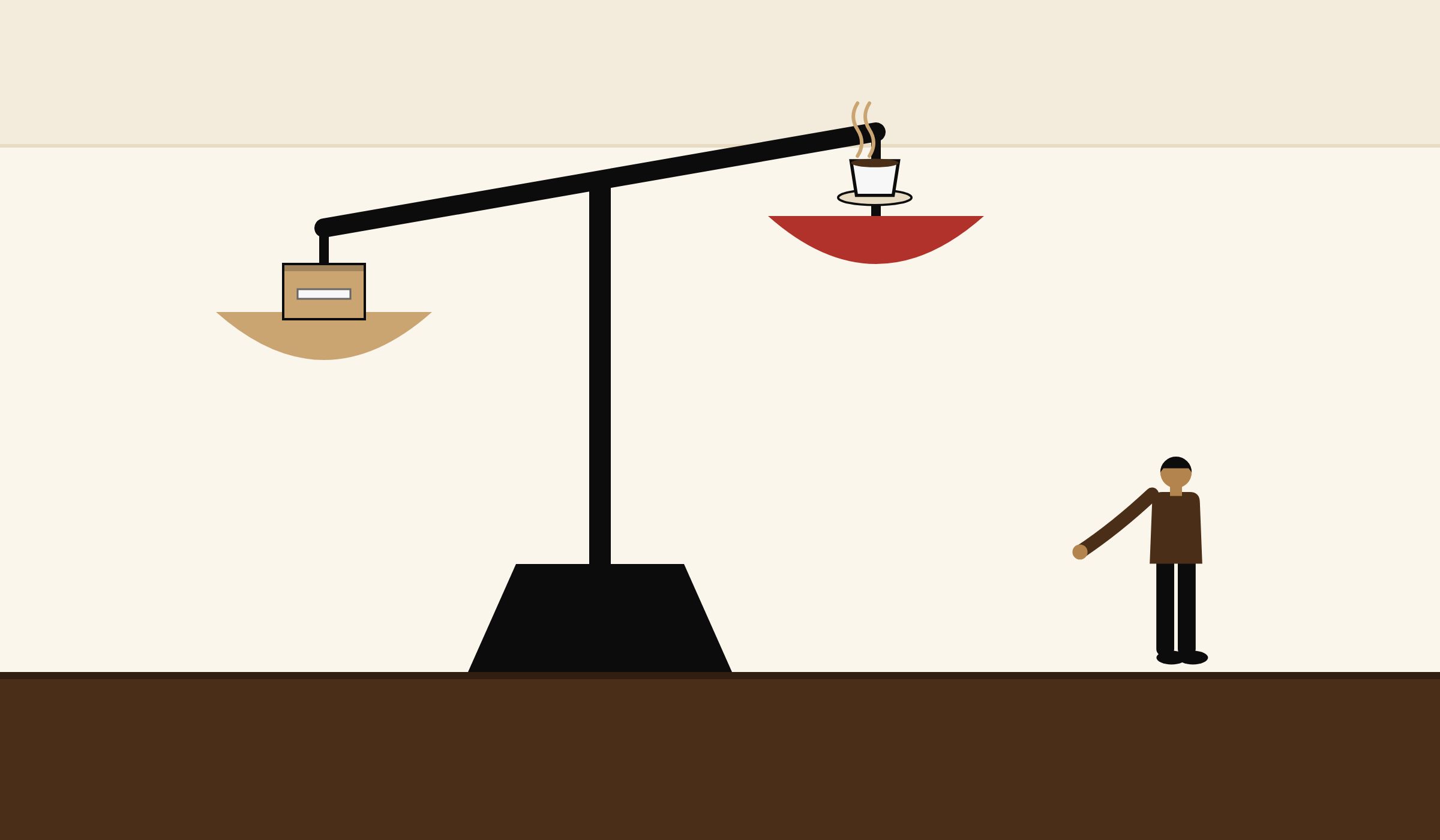
Lula sat down with Venezuela's vice president Delcy Rodriguez for the first time, and the agenda that emerged was refreshingly concrete for a debut. Both sides signalled openness to talks on two specific things: Brazilian car tariffs, which would ease Brazilian vehicles into the Venezuelan market, and Brazilian investment in Venezuelan oil, which would send Brazilian capital and expertise toward the largest crude reserves on the planet. That is not vague diplomatic warmth. It is a swap with a shape, cars flowing one way and the promise of oil development flowing the other, sketched out over a first cup.
Every good trading relationship begins exactly like a first coffee between two people who suspect they could do business. Nobody signs anything. You sit, you order, you take the measure of the other across the table, and the real work is discovering whether your appetites happen to fit. The elegance of this particular first cup is that the appetites fit almost too neatly. Brazil makes cars and wants somewhere to sell them. Venezuela sits on oceans of oil it struggles to develop alone and wants partners with money and machinery. Each has precisely what the other lacks, which is the whole basis of any trade worth the name.
The car tariffs and the oil investment are two sides of a single logic. Lowering Venezuela's barriers to Brazilian vehicles opens a market for an industry Brazil needs to keep busy, and it does so without Brazil parting with anything it values highly. In return, Brazilian investment in Venezuelan crude gives Caracas the one thing its reserves cannot supply on their own, the capital and competence to turn buried potential into flowing, sellable barrels. One side brings the engine, the other brings the fuel, and the arrangement only works because neither can comfortably manufacture the other half for itself.
As Valor International reported, this was a first meeting explicitly in search of closer ties, with both sides open to talks rather than committed to terms, and that distinction matters. A first cup that produces a clear, mutual agenda is a successful first cup, even though it settles nothing, because it establishes that a second one is worth scheduling. The value of the encounter is the discovery that the swap exists and that both parties can see it. Everything hard, the pricing, the guarantees, the politics of investing in a sanctioned and volatile energy sector, waits for later rounds.
The regional read is that Brazil is positioning itself as the adult partner next door, the stable industrial economy willing to engage a neighbour others keep at arm's length, and to do it on terms that serve Brazilian industry first. Lula is not doing charity. He is matching a Brazilian surplus, cars and capital, against a Venezuelan surplus, crude, and letting geography do the rest. First meetings between leaders are usually photo opportunities dressed as substance. This one had actual substance dressed as a photo opportunity, which is the rarer and more useful thing.
Whether the second cup ever gets poured depends on matters far messier than appetite, and both sides know it. But the appetites are real, they are complementary, and they are now on the table where everyone can see them.
Cars for crude is a trade old as commerce itself: you have what I need, I have what you need, and we discovered it, as these things always are, over the first cup.