Agreeing on the Water, Not the Beans

Two rivals who cannot agree on trade, technology or geopolitics can still find common ground on one thing: nobody benefits when the exchange rate goes haywire. That is the quiet logic behind China and the EU sitting down to talk currencies.
The headline is cooperation of a specific and unglamorous kind. Chinese and European officials met to discuss exchange rates, with central bank chief Pan urging the two sides to work together, while in the background a $50 billion deal for Global Payments by GTCR showed exactly where private capital is moving even as the public talks grind on. As Reuters reported, the official conversation was about stability and the private one was about scale - two different signals pointing at the same underlying truth about how money actually crosses borders.
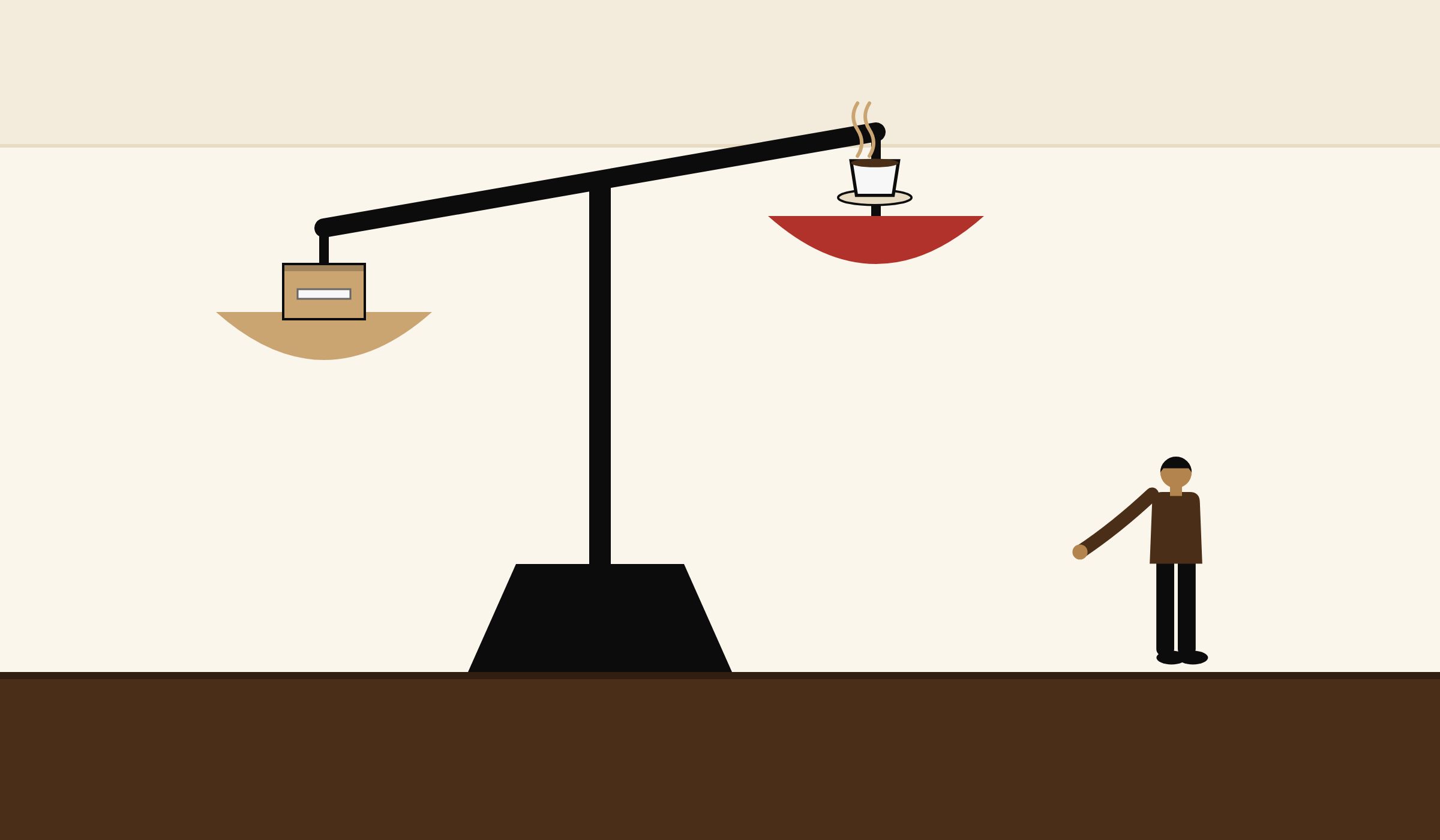
Here is the coffee lens. Everyone obsesses over the beans - the trade goods, the tariffs, the products that get fought over in headlines. But the water matters just as much, and in global finance the water is the currency and the plumbing that moves it. Exchange rates are the water temperature: get it wrong and even perfect beans brew a terrible cup, because every transaction gets distorted by a rate that swings unpredictably. Payments infrastructure - the pipes a $50 billion deal is really buying - is the plumbing that carries the water to the machine in the first place. China and the EU talking exchange rates is two major kitchens agreeing that whatever they argue about on the menu, they need the water steady. GTCR spending $50 billion on Global Payments is a bet that the plumbing itself is where the durable money lives.
The insight is that currency cooperation is the least romantic and most revealing form of diplomacy, because it is the one both sides pursue out of pure self-interest rather than goodwill. Pan urging cooperation is not a thaw in the broader relationship - it is a recognition that volatile exchange rates tax everyone's trade at once, friend and rival alike, and that a stable rate is a shared good even between competitors. Meanwhile the private market, unburdened by politics, votes with $50 billion on the plumbing, because whoever owns the pipes earns a fee on every cup poured regardless of which kitchen wins the menu fight. The officials are stabilizing the water. The capital is buying the pipes. Both have concluded the same thing: the beans get the headlines, but the water and the plumbing get the returns.
So the China-EU currency talks and the GTCR deal are the same story told in two registers. One is governments agreeing to keep the water from boiling over. The other is capital quietly buying the infrastructure that water flows through. Neither is about the beans everyone fights over, and that is precisely why both are worth watching.
In the end the market pays attention to who controls the water and who owns the pipes. Everyone else is still arguing about the beans, which is a fine way to stay busy while the people with the plumbing collect on every pour. The headlines will keep fighting over the menu, because the menu is where the drama lives. The returns, quietly, will keep flowing to whoever kept the water steady and owned the pipes it ran through.