A Brainstorm Is Not a Brew

Nothing announces an unfinished agreement quite like the word "brainstorm." It is what you call a meeting when you cannot yet call it a deal, and Brussels has agreed to exactly that much.
The British political theatre around the latest EU arrangement is doing a lot of work for something that has not actually cooked. Andy Burnham is telling young people the deal is for them, pitching it as a generational win. Kemi Badenoch is calling it unfair, pitching it as a generational raw deal. Tuition fees - one of the concrete things young people would actually feel - remain unnegotiated. And the European side, as BBC reported, has committed only to a brainstorming session. So the sales pitch is maximal, the opposition is loud, and the substance underneath both is a promise to think about it later.
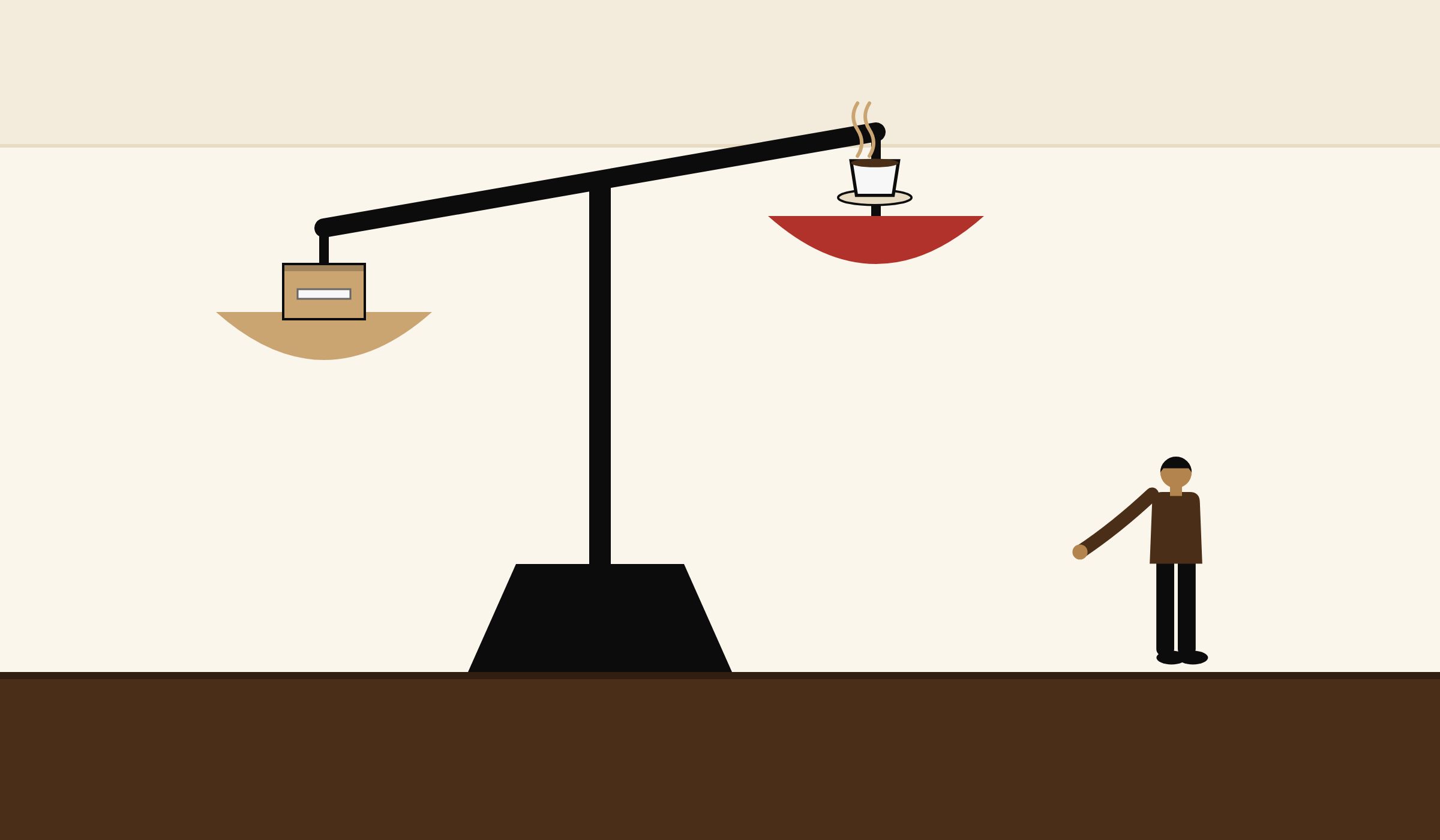
Here is the thing anyone who has stood near an espresso machine knows: steam is not coffee. The machine can hiss, billow, and fill the whole cafe with a sound that makes you believe something is being made. But steam is pressure with no extraction - all performance, no drink. A brainstorm is political steam. It generates the noise of progress, the heat of a process, the sense that negotiators are busy at the controls, and it produces nothing you can actually pour. Burnham is serving the steam as if it were the cup. Badenoch is complaining about the taste of a drink that does not exist yet. And the one ingredient young people can measure - tuition fees - is still sitting on the counter, unground.
The insight is that in politics the announcement and the agreement are two completely different products, and the gap between them is where voters get sold the aroma instead of the coffee. A deal you can describe as "for young people" before the fees are settled is a deal describing an intention, not a result. Brussels agreeing to brainstorm is not Brussels agreeing to anything - it is the diplomatic equivalent of letting the machine warm up while both national politicians race to claim the first sip. The honest headline is that there is no cup yet, only two men arguing over who gets to hold a glass of steam.
None of which means nothing is happening. A brainstorm can become a term sheet, steam can precede a genuine pour, and the direction of travel is real. But direction is not delivery, and young people deciding whether this deal is theirs would do well to wait for the part where tuition fees get a number rather than a mention. That number is the extraction. Everything before it is pressure looking for somewhere to go. Burnham and Badenoch are both counting on the gap, each hoping to shape the public's taste for the drink before the drink exists - one calling it sweet, the other calling it bitter, neither of them actually holding a cup. The electorate's job is to notice that the machine has not finished, and to withhold judgment on a brew that is still, for now, mostly noise.
For now the British debate is two politicians fighting over a cup that has not been filled, in a cafe where Brussels has only agreed to consider turning the machine on. Plenty of steam. Call it coffee when someone can drink it.