The Man in the Blend You Never Tasted

You have almost certainly sung along to his work and never once said his name. Hidden up in Cumbria, a long way from the London studios where the music industry likes to imagine itself, is a producer whose fingerprints sit on some of Britain's biggest pop hits, a run that stretches back to a top-five single in 1997 and has not really stopped since. The voices got the awards. He got the credit line nobody reads.
As the Westmorland Gazette tells it, this is not a story of obscurity so much as a story of a particular kind of placement. The man was never hidden from the people who hire him. He was hidden only from the audience, which is a different thing entirely, and arguably the whole point of the job. A producer is not meant to be heard. A producer is meant to be the reason you keep listening.
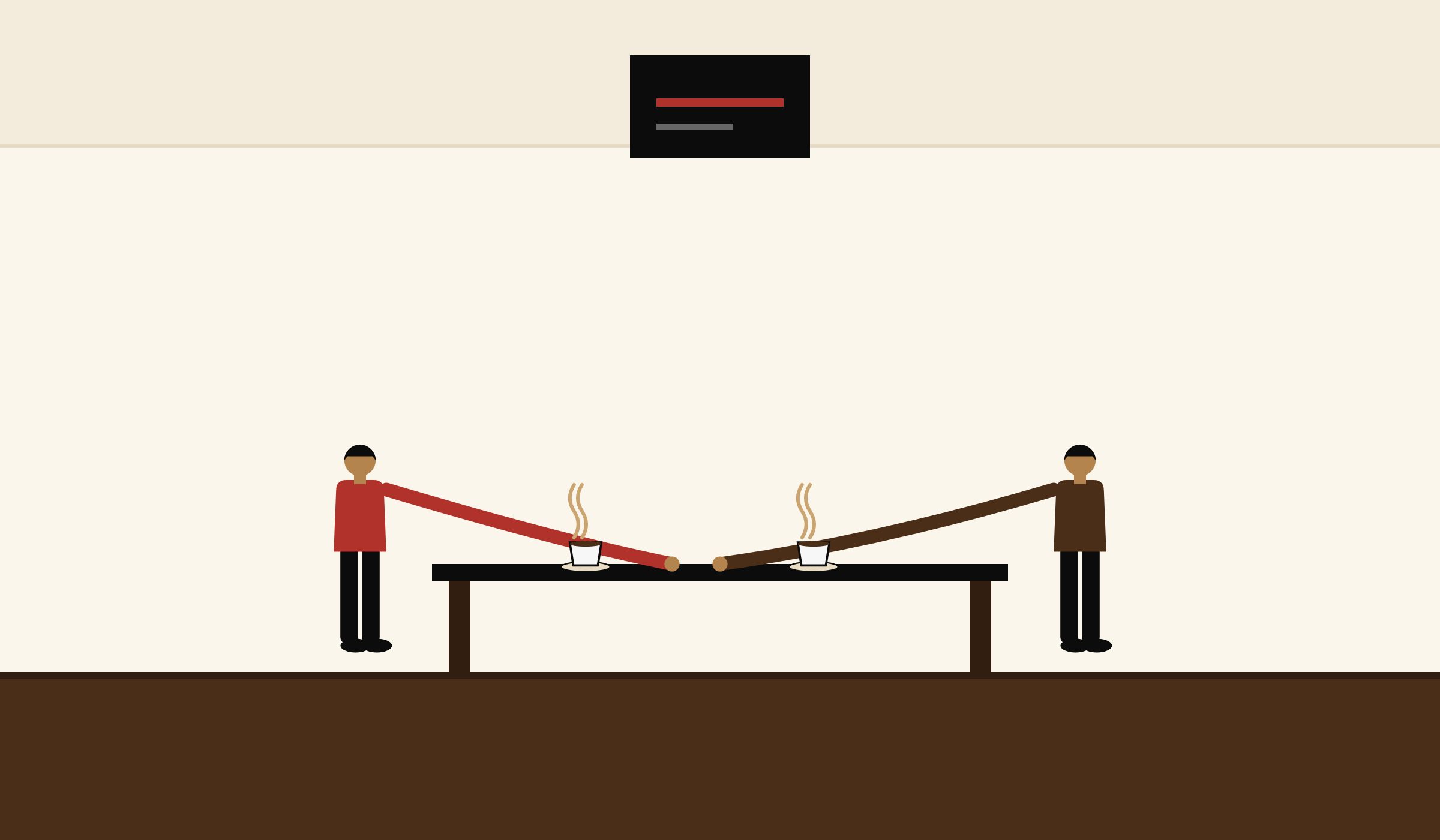
Think of the blend behind the bar. A single-origin bean gets its name on the board, its altitude, its washing station, its little origin story for the customer who wants a conversation with their flat white. The house blend gets none of that romance. But the blend is where the real work hides, because someone sat and tasted and adjusted until three or four origins stopped being themselves and became a single thing that was better than any of them alone. The blender's whole craft is to disappear into the result. Nobody toasts the person who decided the Brazilian needed twenty per cent more of the Ethiopian. They just notice the cup is good and order another.
The insight is that we badly misread where value lives. We assume the name on the front is the talent and everything behind it is support staff, when often the arrangement runs the other way. The voice is the origin bean, singular and easy to label and genuinely gifted. The producer is the roaster and the blender, the one who decides at what temperature the whole thing stops being raw material and starts being something people pay for. One is the ingredient. The other is the reason the ingredient worked. The industry pays the first in fame and the second in repeat bookings, and the second rarely complains, because repeat bookings last longer than fame does.
There is a quiet lesson here for anyone building anything in a market that rewards the visible. The loudest position is not always the strongest one. Being the name on the board makes you a known quantity, which is wonderful until tastes change and the board gets repainted. Being the hand in the blend makes you the thing that does not get replaced, because the people doing the hiring know exactly what you are worth even when the public has no idea you exist. Cumbria is a long way from the charts. It is a very short distance from the people who make them.
So he sits up north, far from the postcode the industry treats as the centre of gravity, assembling hit after hit that the country hums without a clue who assembled them. That is not a man who missed his moment. That is a man who understood the economics of his trade better than the stars who float through it. The voice fades when the voice gets tired. The blender keeps blending, quietly, profitably, decade after decade. You never tasted him, and yet somehow he is the only thing you have been drinking.