The Shift That Peaks When the Cafe Closes Early
The most experienced person behind the counter is often the one the schedule fits worst. New research zeroes in on a group the standard workday was quietly built against - mid-life women, who face a distinct and underserved need for workplace flexibility right at the point in their careers when they are most valuable.
The finding is not a vague appeal to work-life balance. As the University of Melbourne reported, drawing on a nationally representative survey alongside the Partnership's own data, mid-life women carry a particular configuration of demands - careers at their peak, caring responsibilities stacking up, bodies and lives in transition - that the rigid default schedule serves especially badly. The need is specific, it is measurable, and the conventional nine-to-five was not designed with it anywhere in mind.
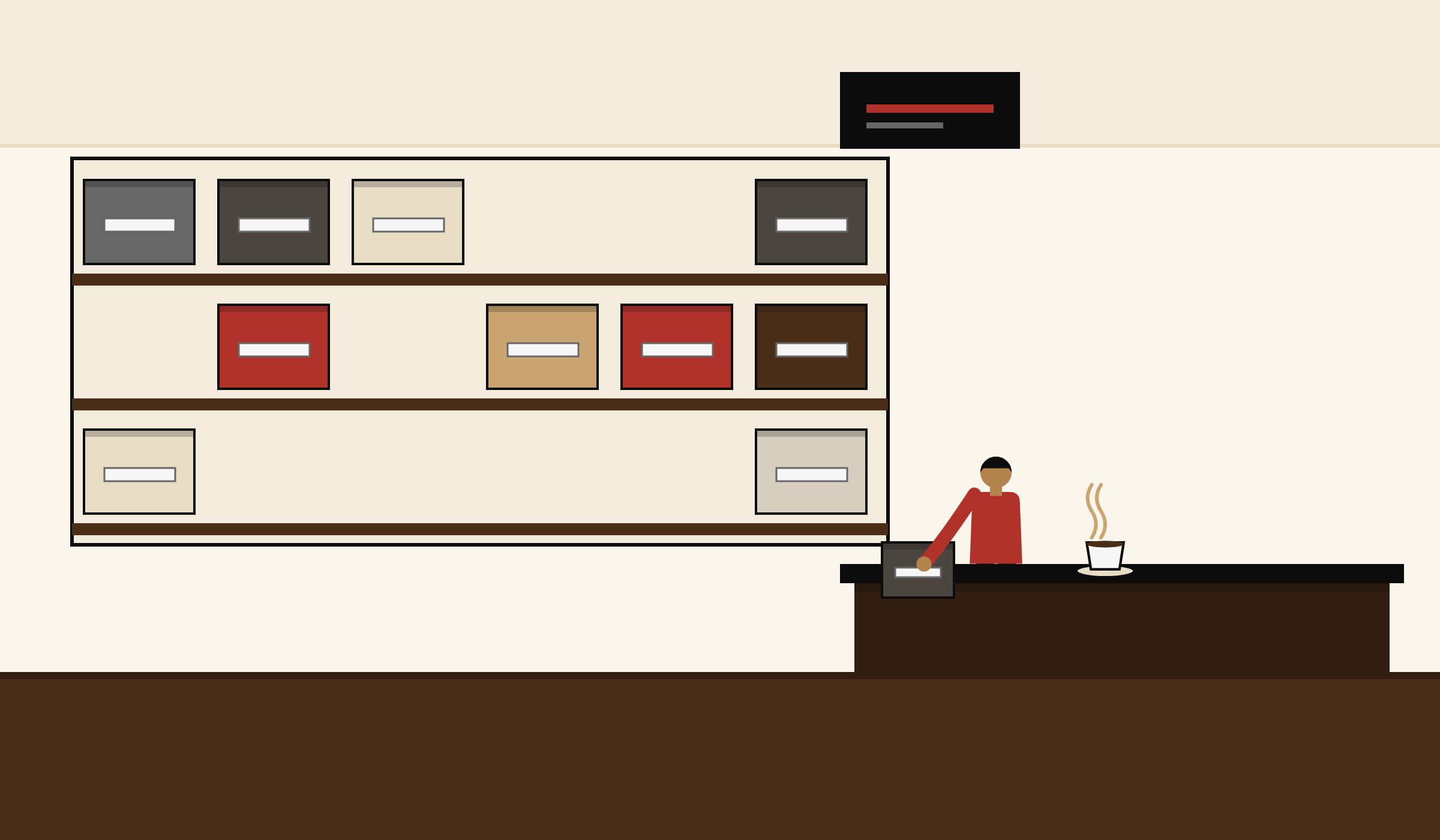
Imagine a cafe insisting every barista work the identical fixed shift, the same block of hours, no variation, because that is simply how the rota has always run. Now imagine the barista that policy pushes out is the one with fifteen years on the machine - the one who can dial in a new coffee in two shots, train the juniors, calm a chaotic Saturday rush without breaking a sweat. She does not need less work. She needs the shift arranged so she can keep doing it, around the other things now stacked on her plate. The cafe that will not bend the rota does not save money. It loses its best barista to a competitor across the street who simply let her start an hour later.
That is the mid-life flexibility problem in a sentence. The rigid schedule is not neutral - it is a filter, and it filters out exactly the most skilled, most experienced people whose lives no longer slot into a shift pattern designed for someone with no one depending on them. The survey data says this filter falls hardest on mid-life women, which means organisations clinging to the fixed rota are running a quiet, continuous export of their deepest expertise, and calling it a staffing cost rather than the self-inflicted wound it is.
The insight is that flexibility is routinely mislabelled as a perk, a nice-to-have handed down as a favour, when the data reframes it as a retention mechanism aimed at the highest-value people on the roster. You do not offer the veteran barista a flexible start because you are being generous. You do it because the alternative is watching fifteen years of skill walk out the door over an hour on a clock that no business actually needs to defend. The study makes the cost legible - this is not softness, it is the arithmetic of keeping your best people on the machine.
So the organisations that will come out ahead are the ones that read this the way a smart cafe owner reads a star barista's scheduling request - not as a problem to accommodate but as information about how to keep an asset they cannot easily replace. The fixed shift was built for a workforce that no longer exists and arguably never did. Bend the rota, and the most experienced hand stays on the bar. Refuse, and you will keep wondering why your best people keep taking the job across the street, where someone finally noticed that peak skill and peak life arrive at the exact same hour.



