The Tote Bag That Reads as a Love Letter
Turns out the compost bin is flirting on your behalf. A study replicating a two-part 2021 experiment found that people with eco-friendly habits are rated as more appealing partners - the reusable cup, the careful recycling, the refusal of the plastic bag all quietly registering, in the eyes of a potential match, as something closer to desirable. You thought you were saving the planet. You were also, inadvertently, advertising.
This lands as funny until you realise how deep it runs. We like to imagine attraction is about the obvious levers - looks, status, a good story at a party - but the research keeps pointing at something sneakier. We read character through behaviour, and small unglamorous habits carry outsized information. An eco-friendly gesture says almost nothing about the planet to the person watching and a great deal about the person performing it: that they think past the immediate moment, that they will inconvenience themselves for a value, that they are the kind of person who does the slightly harder right thing when no one is checking. The habit is tiny. The signal is enormous, because the observer is not grading the act, they are grading the character the act implies.
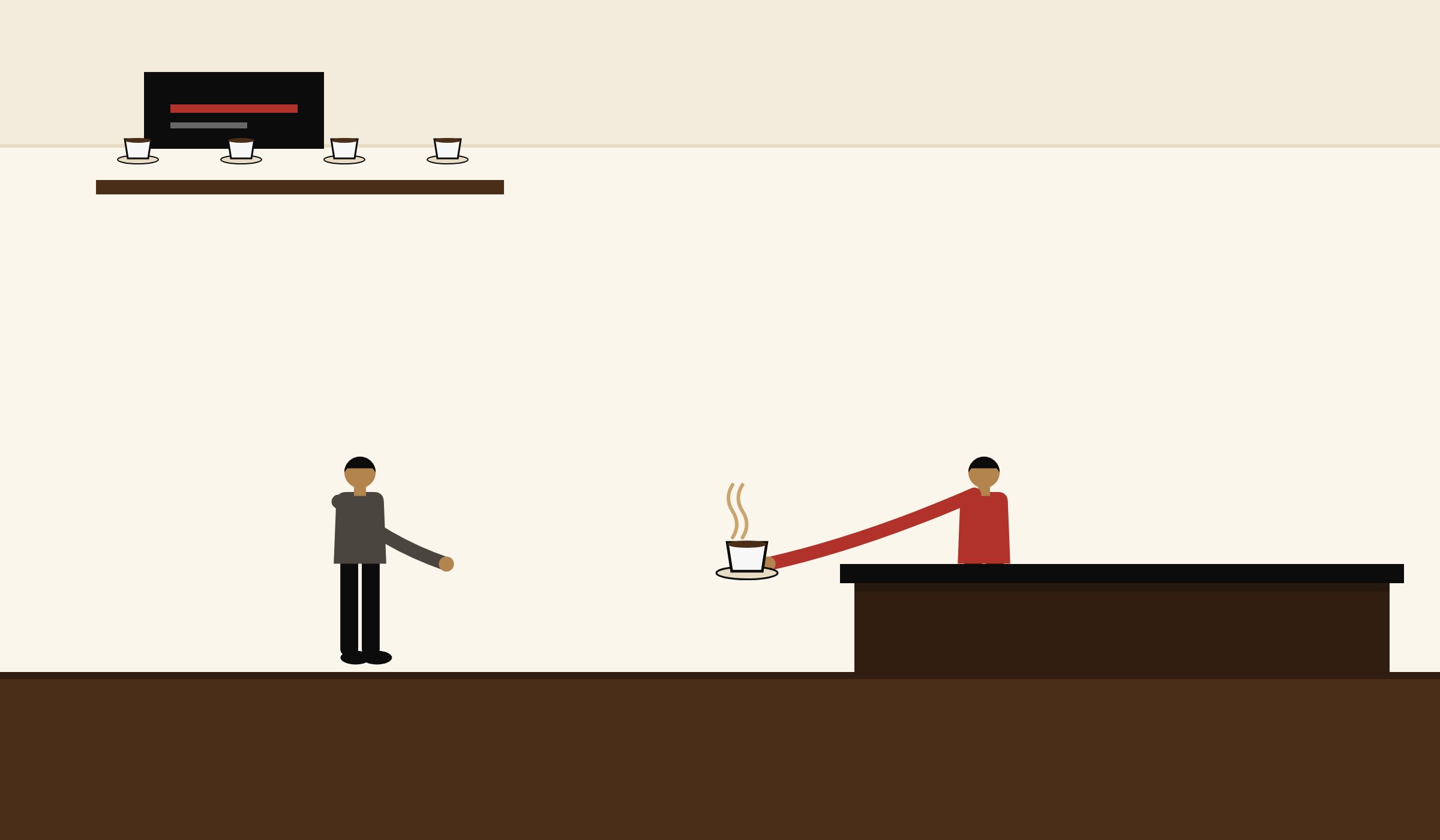
Consider the person who brings their own cup to the coffee shop. Nobody is watching them do it, or so they think. But the barista clocks it, the queue clocks it, and the cup becomes a small readable document. It says this is someone who plans ahead, who remembers things, who is not just a passive recipient of whatever the world hands them in a disposable container. The coffee inside is identical to everyone else's. The vessel it arrives in has quietly told a story about its owner, and the story is more flattering than any amount of talking themselves up could have managed. The cup did the bragging without the bragging.
The insight worth keeping is that we are all leaking signals through our smallest habits, whether we mean to or not. You cannot perform virtue convincingly on demand, which is exactly why the quiet unwitnessed habit carries weight - it reads as real precisely because it was not staged for an audience. The person sorting their recycling alone at home is not auditioning, and that is what makes the behaviour trustworthy when it is finally seen. Attraction, it seems, is partly a search for authenticity, and authenticity hides in the things we do when we assume no one is counting.
There is a lovely practical twist in this for anyone who finds courtship exhausting. You do not have to become more impressive. You have to become more legible - to let the habits that already reflect who you are do their quiet work rather than drowning them in self-presentation. The reusable cup, the returned shopping trolley, the small daily evidence of a considered life. These are not chores competing with your social appeal. They are your social appeal, filed under a different name.
So keep the tote bag, keep the cup, keep sorting the recycling nobody asked you to sort. You are not only reducing waste. You are leaving a trail of small, true, unglamorous evidence that someone, somewhere, is going to read as exactly the right kind of love letter - written, as the best ones always are, when you thought no one was looking.



