The Roast Your Body Was Never Built to Drink

The same pill does not do the same thing to everyone, and your own DNA may be the reason. Research into how genetics shapes drug response found that nearly one in four participants had taken a medication potentially affected by their own genetics - a prescription written to a population average, swallowed by a body that was never average to begin with. The dose on the label assumed a standard patient. The standard patient does not exist.
For most of medical history, prescribing has been a confident guess dressed as a science. The same milligram goes to the small and the large, the fast metaboliser and the slow, the body that breaks a compound down in an hour and the one that lets it linger for a day. We accepted this because we had no choice, and because the fiction of the average patient made the whole system tidy. But a quarter of people carrying genetics that could change how a drug behaves in them is not a rounding error. It is a quiet admission that one size has never fit all, and that we have been running a personalised chemistry experiment on everyone while pretending it was a fixed recipe.
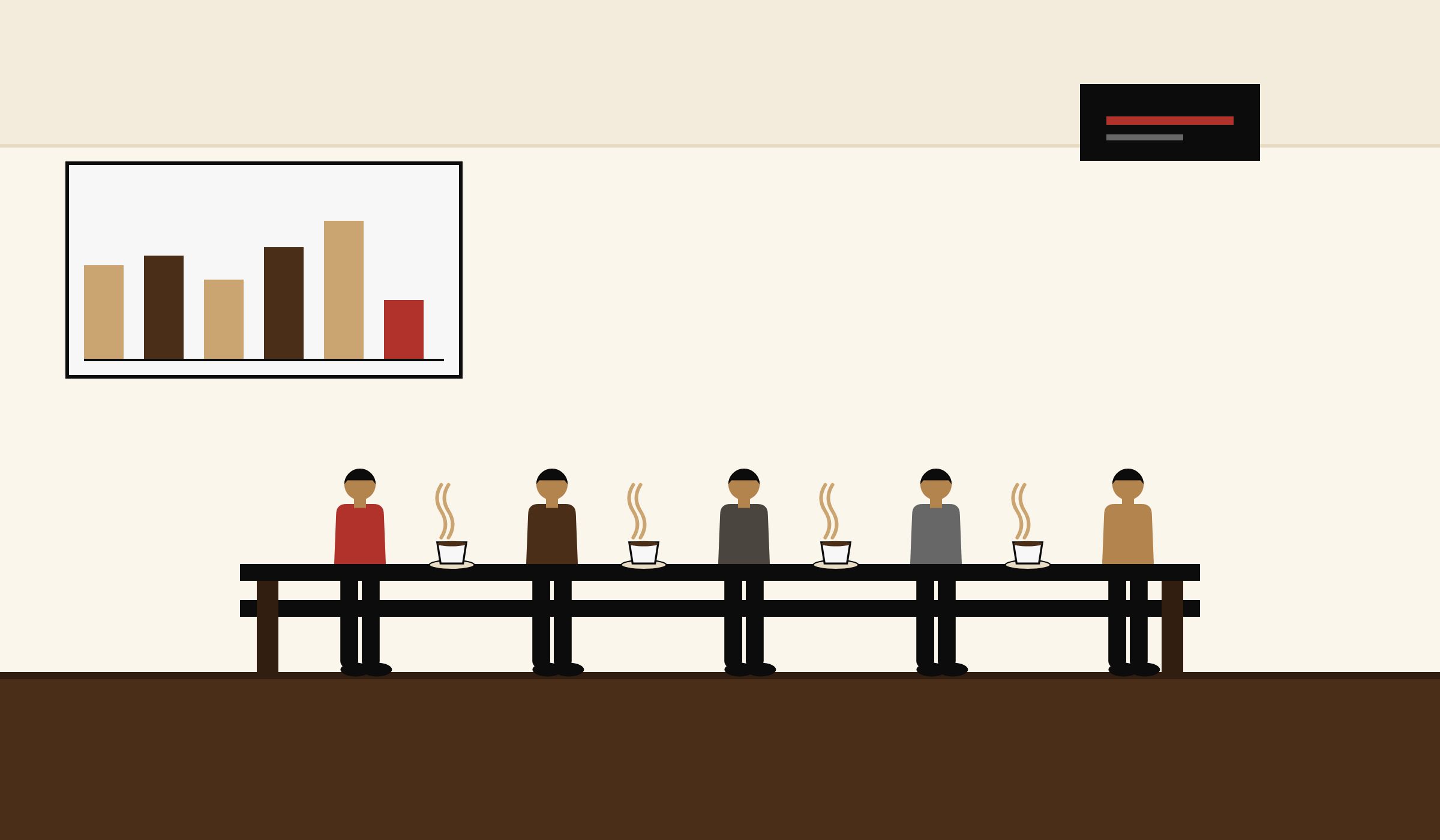
Hand ten people the same bag of beans and the same instructions and you will get ten different cups. One person's water runs hotter, another's grinder throws a coarser grind, a third pours in a rush and a fourth lets it bloom too long. The beans never changed. The recipe on the bag was identical. But the machinery each person brought to it - the kit, the habits, the quirks baked in - took the same input and produced wildly different results, some bright and balanced, some bitter, some barely coffee at all. The bag assumed a standard kitchen. Nobody owns a standard kitchen.
The insight pharmacogenomics forces on us is that the body is the machinery, not the recipe, and we have spent a century obsessing over the recipe. We refine the drug, perfect the dose, standardise the instructions, and then feed them into billions of unique, idiosyncratic metabolic kitchens and act surprised when the cup comes out wrong for so many. The variation was never a flaw in the medicine. It was the predictable output of pouring a fixed recipe into wildly different equipment, and the only strange thing is that we are only now building the tools to read each kitchen before we brew.
What makes this genuinely hopeful rather than unsettling is the direction it points. Knowing your own genetics is like finally reading the spec sheet on your own grinder - it does not change the beans, it tells you how your particular setup will treat them, so the recipe can be adjusted before the bad cup is poured instead of after. A prescription tuned to your own chemistry is not exotic medicine. It is just the overdue acknowledgment that the kitchen was always part of the brew.
So the next time a medication works beautifully for a friend and does nothing, or too much, for you, resist the urge to think one of you is broken. You are two different kitchens handed the same bag of beans. The recipe was fine. The machinery was never the same - and medicine is finally learning to read the equipment before it writes the roast.