The Most Repeated Word in Coffee Is Not a Word: 683 Cup Emoji Across 2,110 Bios
The most repeated word in coffee is not a word. It does not belong to any of the nine languages the corpus is written in, it cannot be pronounced, and it wins anyway. In BeanBreaker Intelligence's How The World Talks About Coffee (August 2026), the single most frequently used symbol across the whole biography set is the little steaming cup - the hot beverage emoji - appearing 683 times. No actual word, in any language present, gets typed as often as that tiny mug.
Consider the field it beat. Of everyone who wrote a bio, 62% reached for at least one emoji - 1,307 biographies in all - and between them they deployed 690 distinct symbols a combined 5,603 times. That is a genuinely crowded, cosmopolitan vocabulary: hundreds of little pictures competing for space in the two lines people get to explain themselves. And out of that whole sprawling alphabet, two symbols run away with a third of the total. The cup at 683, the pushpin at 347 - a location marker, the "here is where I am" pin - and between them they account for roughly a third of every emoji used. Hundreds of options, and coffee people converge, hard, on two.
The reason is not laziness, though it would be easy to file it there. The emoji does work no word in the corpus can do. Write "coffee" and you have said it to English readers and lost everyone else; write the same intent in one language and you have chosen a door that half the room cannot walk through. The cup opens every door at once. It survives translation because it was never in a language to begin with. It reads at thumbnail size, where a word blurs into grey but a shape still lands. And paired with the pushpin it composes a full sentence with zero letters: coffee, and here is where I am. That is the entire proposition of a huge number of these accounts, delivered faster and more universally than any phrase they could have typed, in a mark a Jakarta reader and a Bogota reader decode identically without either learning the other's language.
This is the pattern hiding in plain sight, and it runs against the flattering story we tell about language online - that we are all writers now, all authors of our little self-descriptions. When the actual stakes are recognition across a border, we abandon words the instant a picture will carry more. The cup is not a decoration bolted onto the sentence; in a nine-language dataset it is the most efficient unit of meaning available, and people know it in their thumbs even if they would never say so out loud. We reach past our own alphabets for the one sign that needs no translating, and we do it by reflex, because on a global platform the writer who insists on words is the writer half the audience scrolls past.
Notice, too, what the cup quietly outranks. Coffee has no shortage of prestige vocabulary - the terroir talk, the process notes, the tasting adjectives that whole subcultures have built to signal seriousness. None of it made the leaderboard. The word that could prove your expertise lost, decisively, to the symbol that proves nothing except presence, because presence is what a bio is actually for. The cup does not say you know coffee; it says you are here, you are one of us, and you can be found. In a room this multilingual, belonging beats expertise, and the fastest way to signal belonging is the mark that every member already recognises without being taught. That is why the pushpin rides shotgun so often: identity and location, the two things a stranger most needs from you, delivered in two taps that clear every language barrier in the room at once.
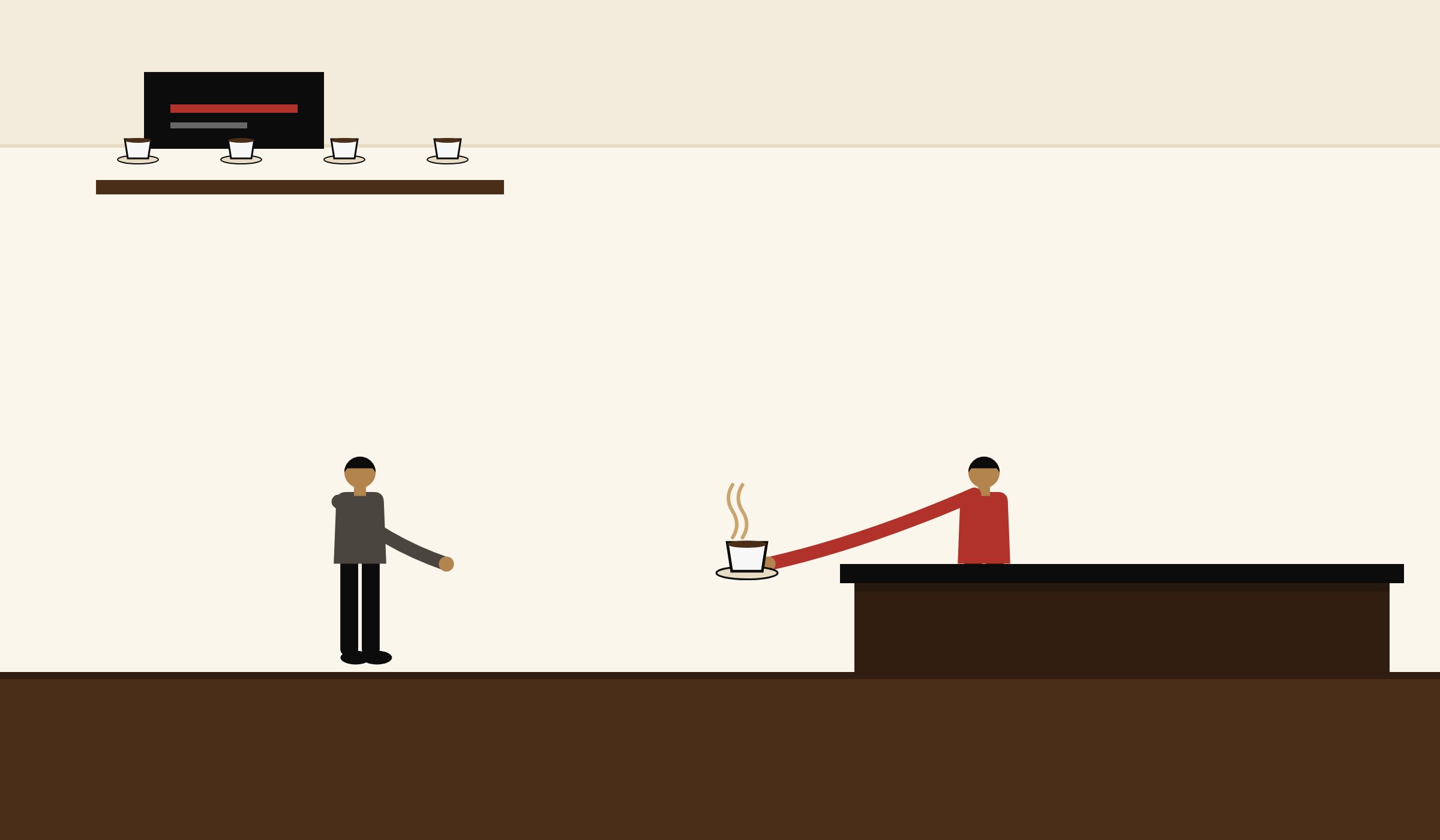
There is something quietly moving in a crowd this multilingual all raising the same small symbol like a shared flag - a species of agreement that no committee organised and no language brokered. Coffee turns out to have a lingua franca, and it is a picture of a hot drink, understood identically from Addis to Oslo, ratified 683 times by people who never coordinated and never met.
The most repeated word in coffee, it turns out, is a drawing of a cup - which is either the death of language or the first honest thing a bio has ever said.