The Empty Table Fear Reserved
A park does not have to be closed to be empty. It just has to feel unsafe to be seen in. Weekend use of Los Angeles County parks dropped 17% because of ICE raids, according to a study - not a gate locked, not a fence raised, but a public space quietly draining of people who decided the risk of showing up outweighed the pleasure of being there. The grass is still there. The swings still swing. The people made the calculation and stayed home.
This is how fear actually works on a community, and it is sneakier than the dramatic version. We picture fear as something loud - the raid itself, the sirens, the confrontation. But the deeper damage is in the quiet afterward, in the thousand private decisions not to go, not to gather, not to take the kids to the one free green space in the neighbourhood on the one day everyone is off work. Nobody banned the park. The 17% is made of people who banned themselves, each weighing the ordinary joy of a Saturday against a danger they could no longer rule out, and choosing the closed door at home.
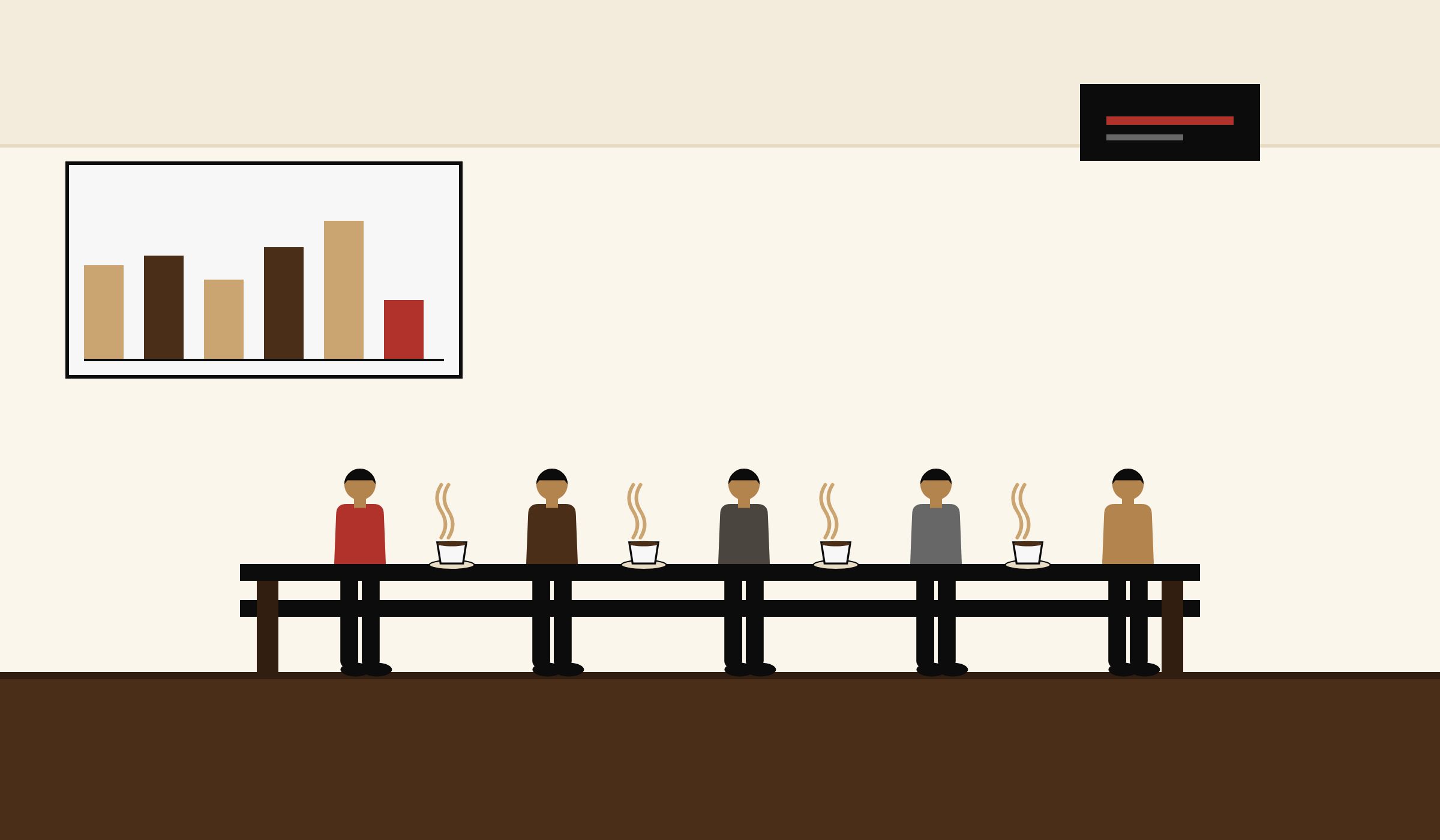
Think of the regulars who used to fill a neighbourhood cafe - the ones who came not for the coffee but for the being-among-people, the nods across the room, the sense that this was a place where you belonged by simply walking in. Now imagine word spreads that someone is watching the door, checking who comes and goes. The coffee has not changed. The tables are still there, the machine still hisses, the seats are still warm from yesterday. But the regulars stop coming, not because they were turned away but because the price of being seen rose past the price of the cup, and a cafe without its regulars is just furniture waiting for a crowd that has learned to stay away.
The insight underneath the statistic is that public life is voluntary, and voluntary things are fragile. A park, a plaza, a corner cafe survive on the daily assumption that showing up is safe and normal and nobody's business. Remove that assumption and you do not need to remove anything else. The space hollows out on its own, held empty by fear rather than by force, which is in some ways worse - because there is no gate to unlock, no ban to lift, no single decision to reverse. You cannot reopen a place that was never officially closed. You can only wait for people to feel safe again, and feeling takes far longer to rebuild than it takes to break.
What that 17% really measures is the thinning of a commons, the slow retreat of a community from the shared spaces that made it a community at all. Every person who stays home is individually rational and collectively a loss, because the park and the cafe were only ever worth anything full. An empty public square is not neutral. It is a community talking itself, cup by cup and Saturday by Saturday, out of its own front room.
So notice who is missing from the table before you assume the table is fine. The lights can be on, the grass can be green, the machine can still hiss away all day - and the most telling thing about a public place can be the regulars who quietly decided that showing up was no longer worth the risk of being seen.