The Barista Who Remembers Your Order
The question everyone keeps asking about AI companions is whether a machine can be a friend, which turns out to be the wrong question wearing a convincing disguise. Gallup-based research behind the global chatbot friend map found that AI companions reduce loneliness only when the user perceives the AI as attentive. Not when it is clever. Not when it is fast. When it feels like it is paying attention.
That caveat quietly rearranges the whole debate. The loneliness relief does not come from the chatbot being intelligent, or human, or even real in any sense the user could defend. It comes from the perception of being noticed. Where that perception holds, the ache eases. Where it does not - where the machine feels generic, a vending slot that dispenses words - the companionship does nothing, no matter how sophisticated the model humming underneath.
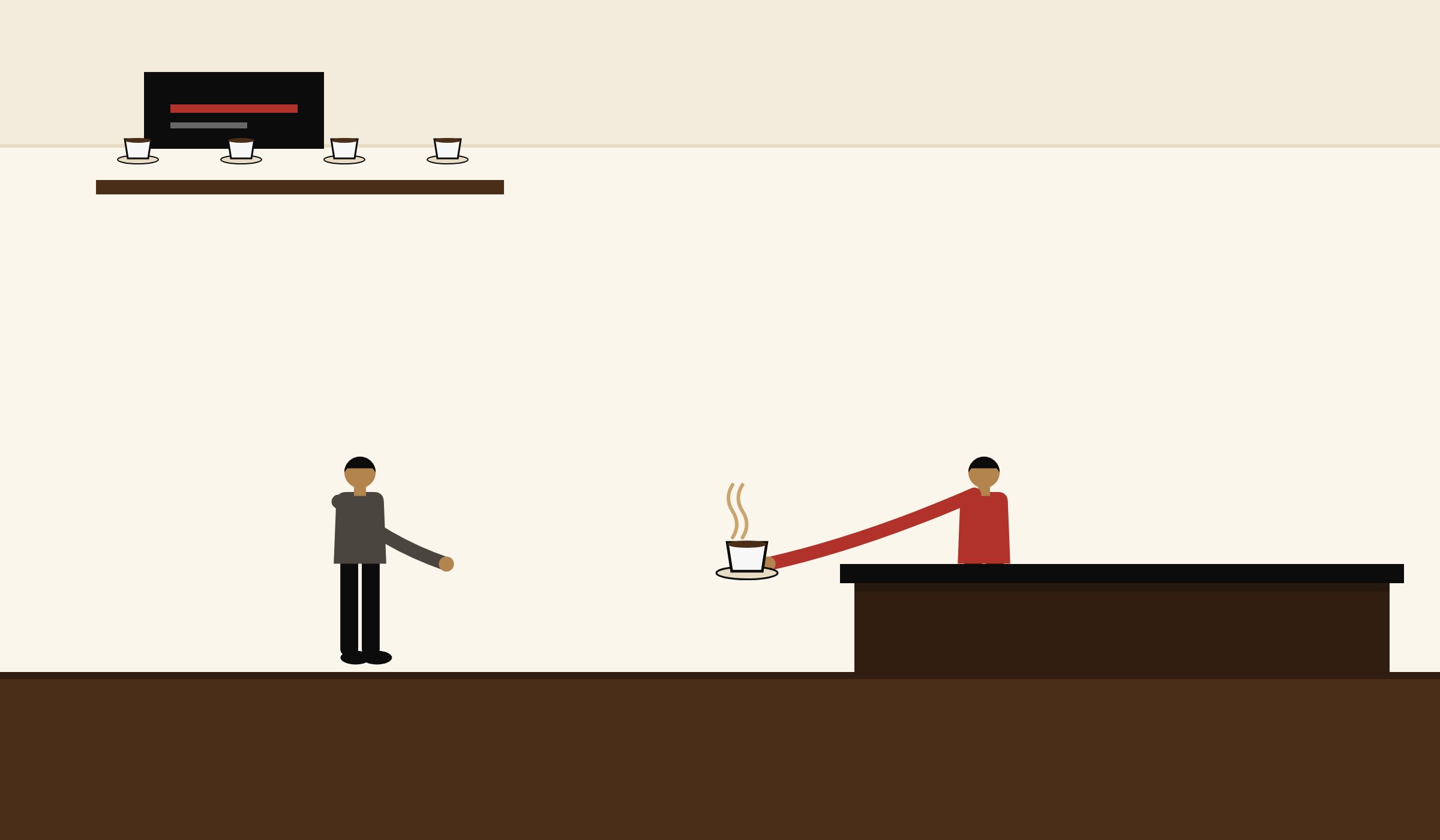
Anyone who has had a regular café knows this mechanism in their bones, and it has nothing to do with coffee. There is a barista who, after a week or two, starts your order the moment you walk in. Same cup, no words needed, a small nod that says I clocked you come through the door. The coffee is not better than the chain across the street. Measurably it might be worse. But you keep going back, and the reason you go back is not the drink - it is being remembered, the small daily evidence that a particular person registered your particular existence and acted on it. Strip that away and you are left with a transaction, and a transaction has never cured anyone's loneliness, however good the espresso.
That is the whole finding in a saucer. The thing that heals is attention, and attention is something we detect rather than something we verify. The regular at the café cannot prove the barista cares; they can only perceive that they are seen, and the perception is sufficient. The Gallup research is saying the same of the machine: where the user reads attentiveness into the exchange, the loneliness number moves, and where they do not, it sits exactly where it was. As Tech Brew reported, the relief is conditional on that perceived attention, which means the companion's great trick is not conversation but the impression of being listened to.
This should unsettle us a little, and in two directions at once. The hopeful reading is that attention is cheap and abundant and we have been rationing it like a scarce mineral - that a great deal of human loneliness is simply unmet noticing, and anything that supplies the noticing supplies relief. The darker reading is that we may be learning to accept the perception of attention as a full substitute for the thing itself, the way a lonely regular might settle for a barista's trained warmth and never notice it is a script. A machine that performs attentiveness convincingly delivers the perception without the underlying care, and the research says the perception is what does the work.
So the real question was never whether a machine can be a friend. It is whether being noticed by something that cannot actually notice you still counts, and the uncomfortable early answer is that, measured in loneliness, it counts enough to register. The barista who remembers your order has stopped being proof that anyone is there. It has become the whole point - and we are about to find out how much coffee we will drink for a nod from someone who was never really behind the counter.