Pretending the Decaf Is the Real Thing
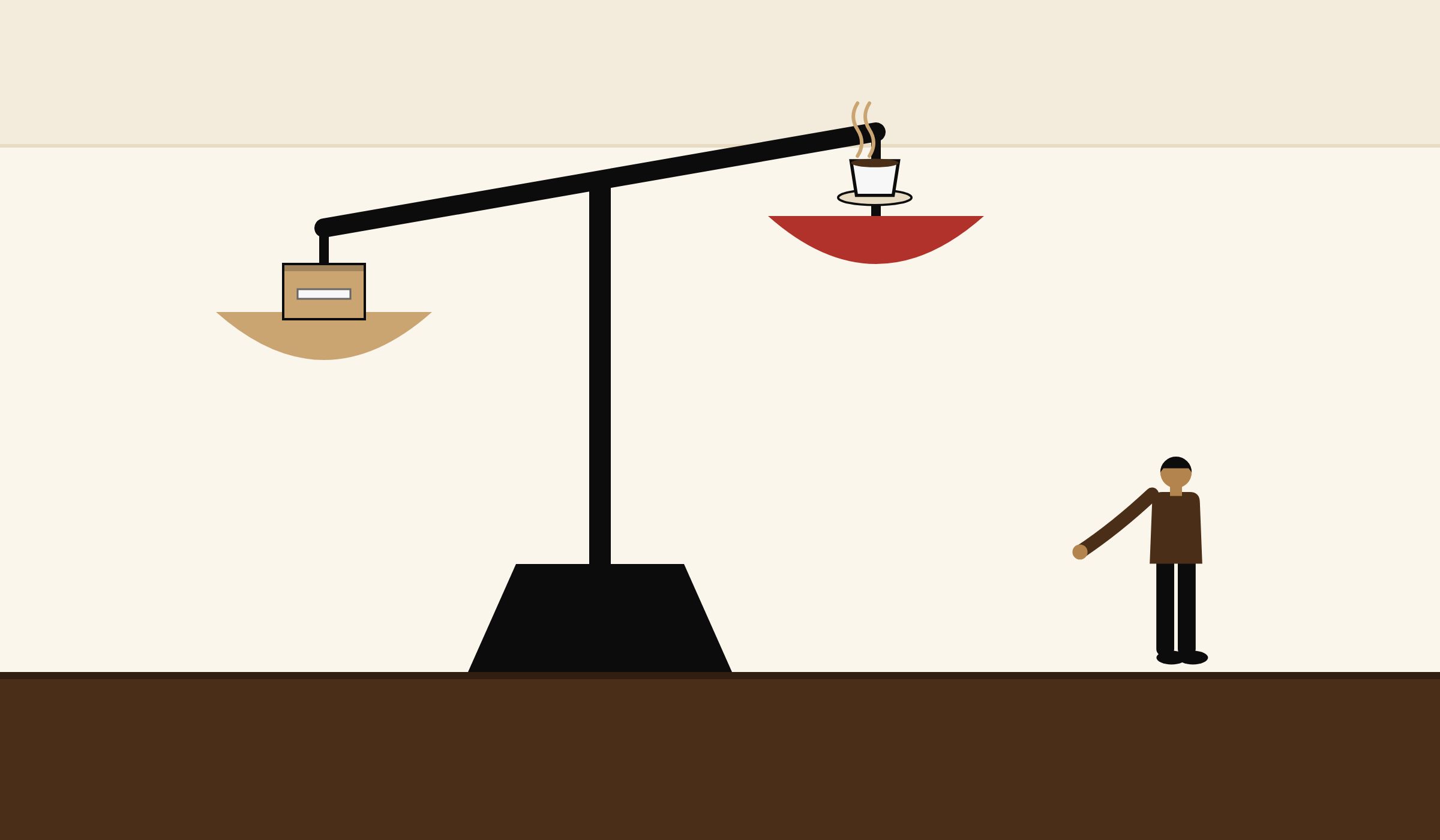
There is a particular performance happening at universities, and it involves people pretending to be less in control of themselves than they actually are. Research from Loughborough University finds that sober students feel pressure to act drunk to fit into university life - to slur a little, to get louder, to mime the loosening that everyone around them has paid for in pints and they have declined.
Read that again, because the direction is the strange part. We are used to the pressure running the other way: the pressure to drink, to have one more, to not be the dull one nursing a water. This is downstream of that. These students have already made the harder choice not to drink - and discovered that abstaining from the substance was the easy part. The real tax is social, and it is levied on behaviour, not on blood alcohol. You can skip the drink. You are not so easily excused from the role.
Consider the person at the table who has ordered a decaf and says nothing about it. Everyone else is three espressos deep, wired and animated, talking over each other, and the decaf drinker is sitting there calm and clear-headed with a cup that looks identical from the outside. The socially expensive thing is not the decaf. It is the calm. So the decaf drinker starts to perform caffeine - gets a bit louder, gestures more, mimics the jitter, acts the part of someone riding a buzz they are not actually on - because a visibly unbuzzed person at a buzzed table reads as a judgement, a reproach, a little island of sobriety that makes everyone else feel seen. Easier to fake the jitter than to be the one who makes the room self-conscious.
That is the behaviour the study exposes, and it is sharper than a simple story about peer pressure. The pressure here is not to consume. It is to match the affect of consumption - to look altered so that nobody has to confront the fact that alteration was optional all along. A sober student having an obviously good time is a quiet argument that the drinking was never the point, and groups do not love hearing that argument, so the sober student learns to muffle it by performing the very state they opted out of. As Loughborough University reported, the fitting-in is done through the acting, which means the fakery is the price of the seat.
What makes it genuinely sad, rather than merely funny, is the waste of it. The whole supposed appeal of being drunk at university is freedom - the loosening, the lowered guard, the permission to be a bit ridiculous. The sober student performing drunkenness has somehow landed in the worst of both arrangements: none of the chemical freedom and all of the obligation to pretend they have it. They are doing the most unfree thing imaginable, which is impersonating a state of lowered inhibition in order to satisfy the expectations of a crowd. There is no looseness in that. It is choreography.
The exit, as always, belongs to whoever is willing to be the first visible island - the one who drinks the decaf, enjoys it openly, and declines to mime the jitter for anyone's comfort. It costs something to be that person, and the study is really a tally of how much. But there is a special, quiet absurdity reserved for the one faking a buzz they could have simply had: all of the acting, none of the drink, and a hangover made entirely of pretending.



