Lover Beats Shop: Coffee People Describe Affection Before They Describe Commerce
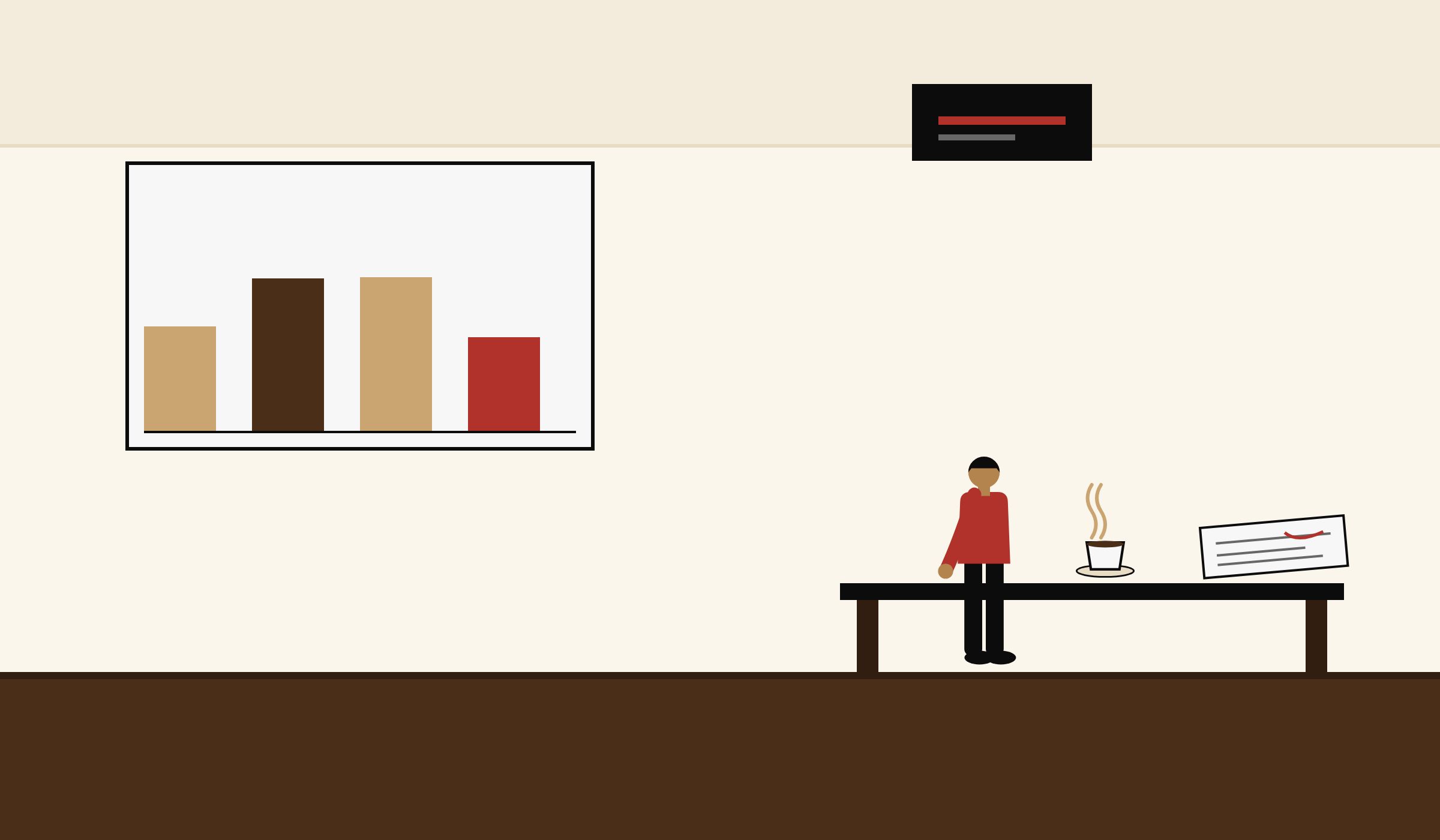
Take every mention of the word "coffee" in the corpus - all 1,644 of them - and ask a simple question: what word comes next? You would expect commerce to win. This is, after all, a study built substantially from businesses, places that exist to sell you a bag or a cup. But in BeanBreaker Intelligence's How The World Talks About Coffee (August 2026), the word most likely to follow "coffee" is not "shop," which manages only 154 outings, nor "beans" at a thin 49, nor "roast" at 52. It is "lover," 159 times. Affection beats the storefront, the raw material, and the process, all three, and it does so in a dataset that is nearly forty percent trading businesses.
Sit with the arithmetic of that. Shops that could describe precisely what they sell - the origin, the roast level, the grind, the price - instead describe how they feel about it. Given a free line to say "we sell good beans," a striking share of the people whose rent depends on selling good beans wrote, in effect, "we love this stuff." The word that should belong to the hobbyist, the enthusiast with no inventory and nothing to move, has been adopted wholesale by the very operators who have inventory to move. Commerce, handed the microphone, cleared its throat and confessed a crush.
You can read this two ways, and the honest thing is that both readings hold. Read one: it is a branding failure, plain and slightly comic. A shop that tells you it is a "coffee lover" has told you nothing you can act on. It has not named a bean, a price, a reason to choose it over the identical declaration two doors down. Affection does not differentiate, because everyone in the category feels it, or claims to; "lover" is the one word in coffee that carries zero competitive information. If a thousand shops all describe their feelings and none describe their product, the feeling stops meaning anything and the customer still cannot tell them apart. On this reading, "lover" beating "shop" three-to-one is a whole industry forgetting to mention what it does for a living.
Read two, and it is not a failure at all - it is an accurate read of what customers actually respond to. Nobody develops loyalty to a roast level. People return to places whose feeling about the work they can taste in the cup, and a shop that leads with affection may simply have noticed that the beans-and-roast vocabulary is table stakes, assumed, boring, while the warmth is the thing that gets remembered and re-visited. The operators are not forgetting to sell. They are selling the only part that a competitor cannot photocopy off a supplier's spec sheet. On this reading, "lover" beats "shop" because love, not roast data, is what moves the second cup and the tenth.
It helps to see how lopsided the vote really is. "Lover" does not merely edge out "shop"; it laps it, and then beats "beans" and "roast" by more than three to one apiece. The vocabulary of the actual product - the raw material, the process, the transaction - loses to a single word about feeling, and it loses in the aggregate, across a corpus where the sellers outnumber almost every other type of account. That is not a handful of sentimental hobbyists dragging the average around. That is the trade itself, at scale, choosing the language of the smitten over the language of the spec sheet, in the one line it had to make a first impression.
The pattern underneath - true well past coffee - is that even the businesses in a category talk more like its fans than its vendors, because affection is the thing the category runs on and everyone in it, buyer and seller alike, has quietly agreed that feeling is the product and the beans are merely how it is delivered. That is either a marketing blind spot the whole trade shares, or the most sophisticated read in the room, and the maddening, useful truth is that it depends entirely on whether the warmth is real. Genuine affection, legible in the cup, is a moat. Performed affection, pasted over a product nobody can distinguish, is just noise wearing a heart.
Which leaves every coffee shop in the study holding the same small question. The most common word after "coffee" is "lover" - and the only thing that decides whether that is your best asset or your biggest tell is whether you meant it.