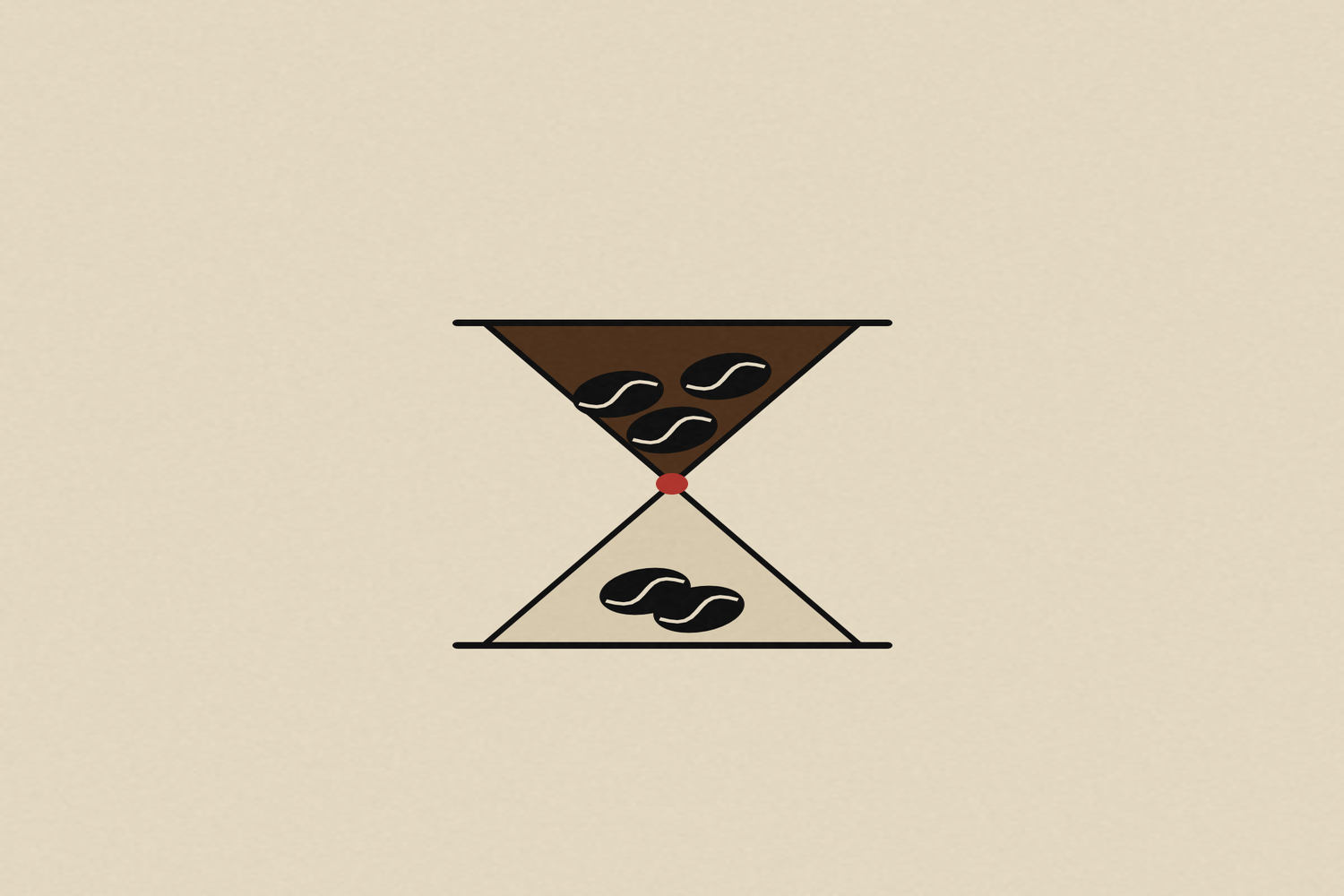
Every startup is a clock, and burn rate is just how loudly it’s ticking. Founders love to talk about traction, momentum, the curve bending upward. Fewer want to discuss the quieter sound underneath all that ambition: the steady drain of the account that keeps the lights on. The clock does not care how good the pitch deck looks. It only counts down.
Here is the part most founders would rather not frame in plain numbers. Running out of money remains one of the most reliable ways a young company dies, and it usually happens while the team still believes it is winning. When CB Insights studied why startups collapse, it found that running out of cash topped the list at seventy percent of the companies it examined. The cruelty is in the timing: many of those businesses were still hiring, still shipping, still posting screenshots of growth right up to the morning the wire didn’t clear. Death by spreadsheet rarely looks like death until it is.
Think of it through the thing BeanBreaker thinks about most. Imagine you run a small cafe, and your whole business depends on a sack of beans in the back room. Burn rate is the speed at which you are grinding through that sack – not to sell coffee, but simply to stay open another day. Every salary, every subscription, every clever office snack is another scoop out of the same supply you need to survive. You can be pouring beautiful cups, packing the place out, earning applause from everyone who walks in. None of it matters if the cupboard hits empty before more beans arrive. Growth is the aroma. The sack is the truth.
Which brings us to the number that actually decides whether the doors stay open, and it is not revenue. It is runway – how many months of beans you have left at your current rate of scooping. The investors who fund these companies are blunt about it. Andreessen Horowitz, in its widely cited primer on the metrics that matter, warns that companies fail when they run out of cash and don’t have enough time left to raise more or cut costs. The firm draws a sharp line between gross burn, which is everything you spend, and net burn, which is what you spend after revenue is poured back in. Net burn is the real scoop count. It is the difference between a sack that lasts the season and one that vanishes by Thursday.
The math is humble enough to fit on a napkin: cash in the bank divided by what you burn each month. As the analysts at Wall Street Prep lay it out, a hundred thousand in cash against ten thousand a month of net burn buys you ten months – and ten months is not a victory lap, it is a deadline. Yet founders dodge this division constantly, because revenue feels like applause and runway feels like a doctor’s appointment. One flatters you. The other tells you how long you have. Confusing the two is how a busy company becomes a dead one without ever noticing the moment it tipped.
The discipline this demands is unglamorous, which is exactly why it gets skipped. When markets tighten, a16z’s own guide to surviving a downturn reads less like a growth manual and more like a survival kit: watch your burn quarterly, model a base case and a brutal worst case, and protect at least a year of runway before the storm, not during it. The operators who make it through are rarely the loudest in the room. They are the ones who counted the beans before anyone asked them to, who treated runway as a number to defend rather than a worry to outrun.
Because that is the pattern hiding under all the hustle: motion is not the same as endurance. A company can be in constant, visible, exhausting movement – meetings, launches, press, headcount – and still be quietly emptying the only resource that keeps the movement possible. Activity photographs well. Solvency does not photograph at all. The founders who confuse the two mistake a treadmill for a road, and treadmills end exactly where they started, just sweatier and with less cash.
So the honest scoreboard has only one column that counts. You can be busy, beloved, and broke all at once – and plenty of celebrated companies have been all three on the same quarter. The applause is real, the press is real, the late nights are real. But the only question that decides whether tomorrow happens is how many more cups you can pour before the supply runs dry. Count your beans. Everyone else is too busy admiring the smell.
