Coffee Trade Owns the Property, Coffee Creators Own the Crowd, and Neither Owns Both
There is a number in the coffee industry that lies the moment you look at it straight. Read across the whole dataset and the email question looks settled: most coffee accounts run their correspondence through the free providers everyone else uses, Gmail and Hotmail and the rest, the digital equivalent of a rented postbox. Tidy finding, faintly disappointing, easy to file under "everyone is an amateur now." Except the finding reverses the instant you stop treating coffee as one crowd. Split BeanBreaker Intelligence's How The World Talks About Coffee (August 2026) into the two populations it actually contains, and the aggregate number turns out to have been hiding the only thing worth knowing.
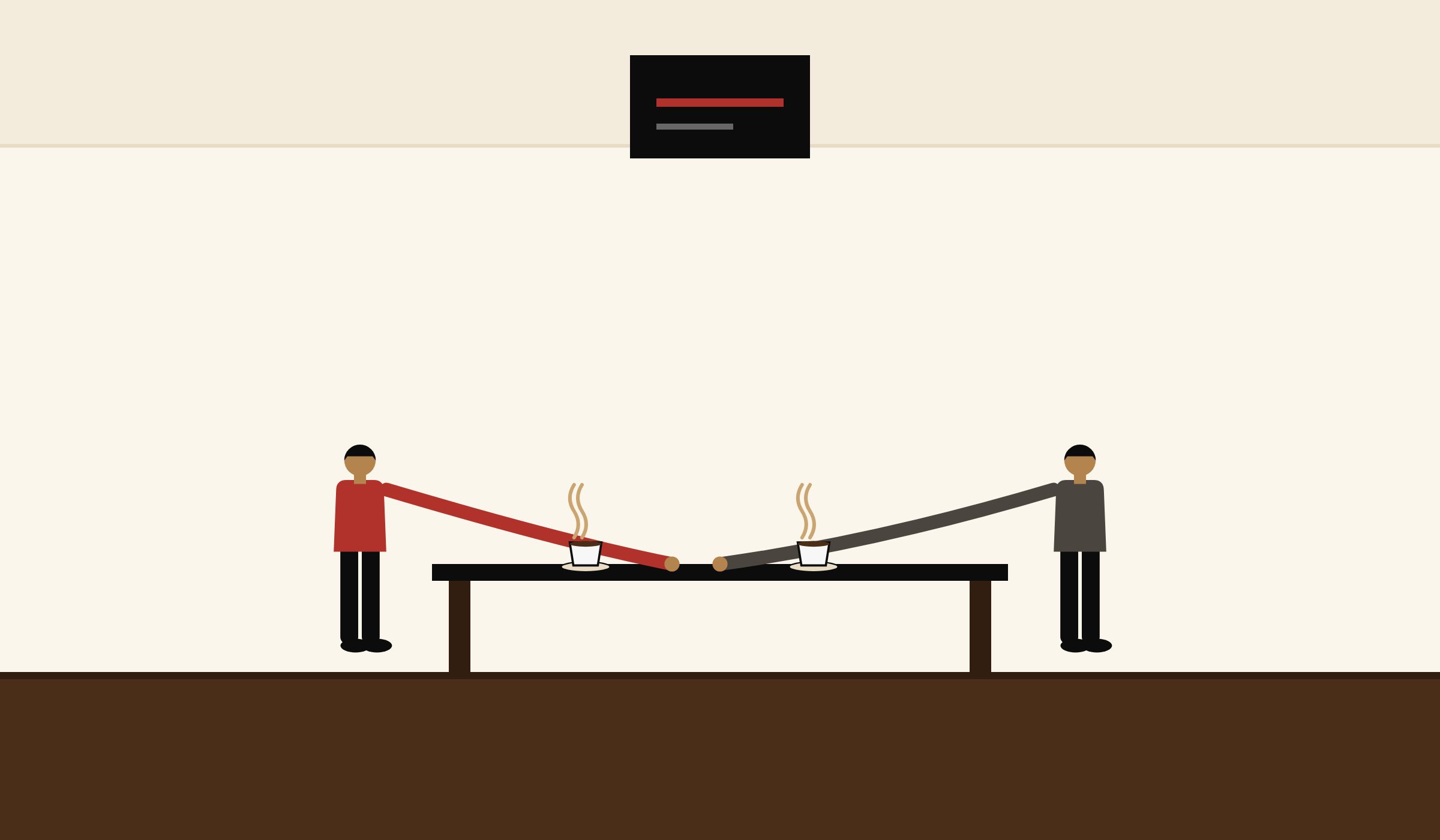
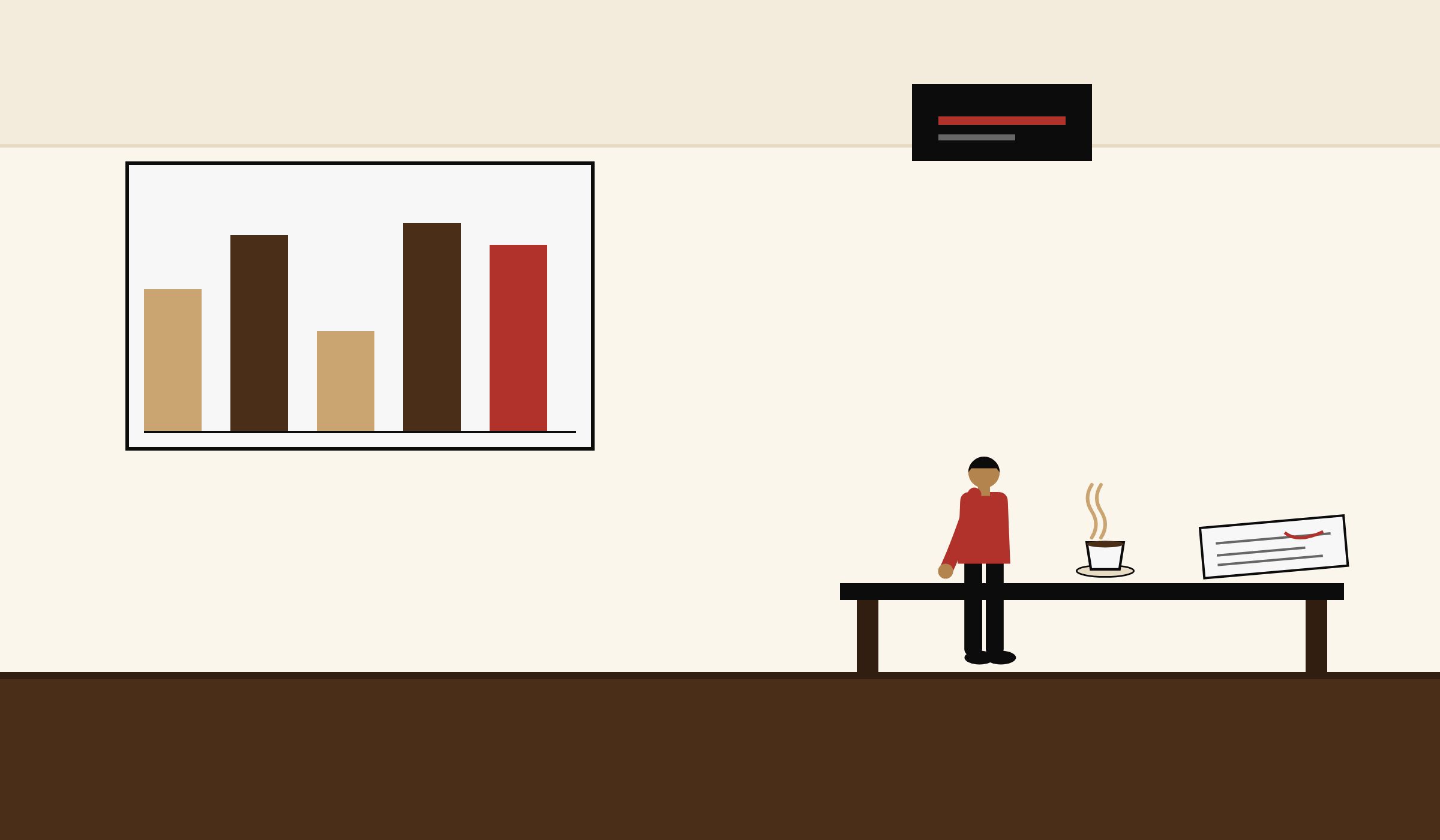
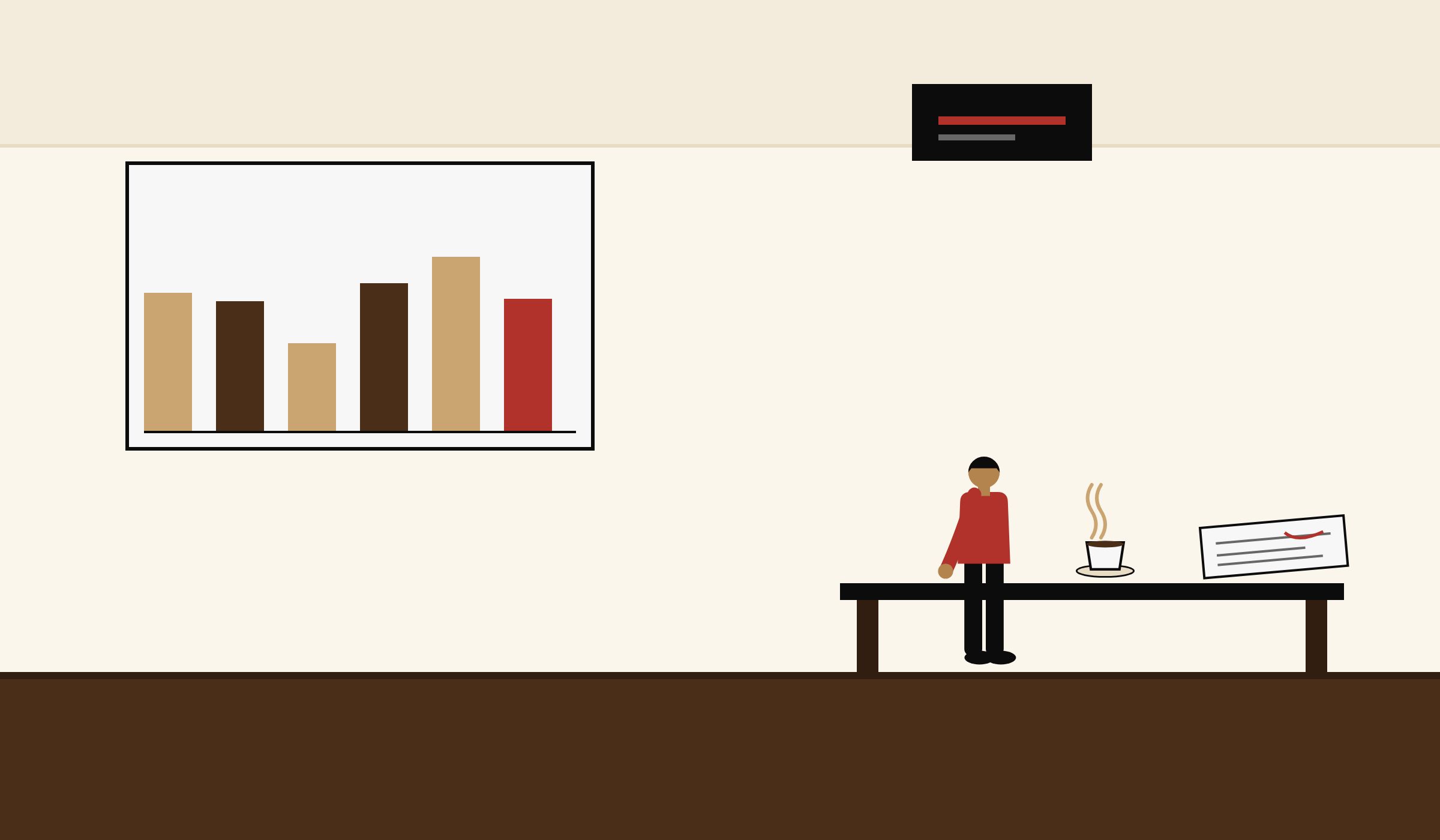
Here is the split. Among the coffee trade proper - the roasters, the importers, the shops that move beans for a living - 51.2% run email on an owned domain. That is the single group in the entire 2,164-account study where owned addresses outnumber free ones, and it barely clears the line, which tells you how rare this discipline is even among people whose livelihood depends on it. The same population puts 57.5% of its links on an owned website, sends 22.0% of accounts out with no link at all, and carries verification on a thin 2.3%. Now the creators, the people who talk coffee rather than sell it: 80.5% run correspondence through free providers, only 38.1% point to a website they own, a quarter route traffic through an aggregator, another quarter link nowhere, and 13.0% wear the verified tick. Two profiles, near-perfect inverse. Each population is strongest precisely where the other is threadbare.
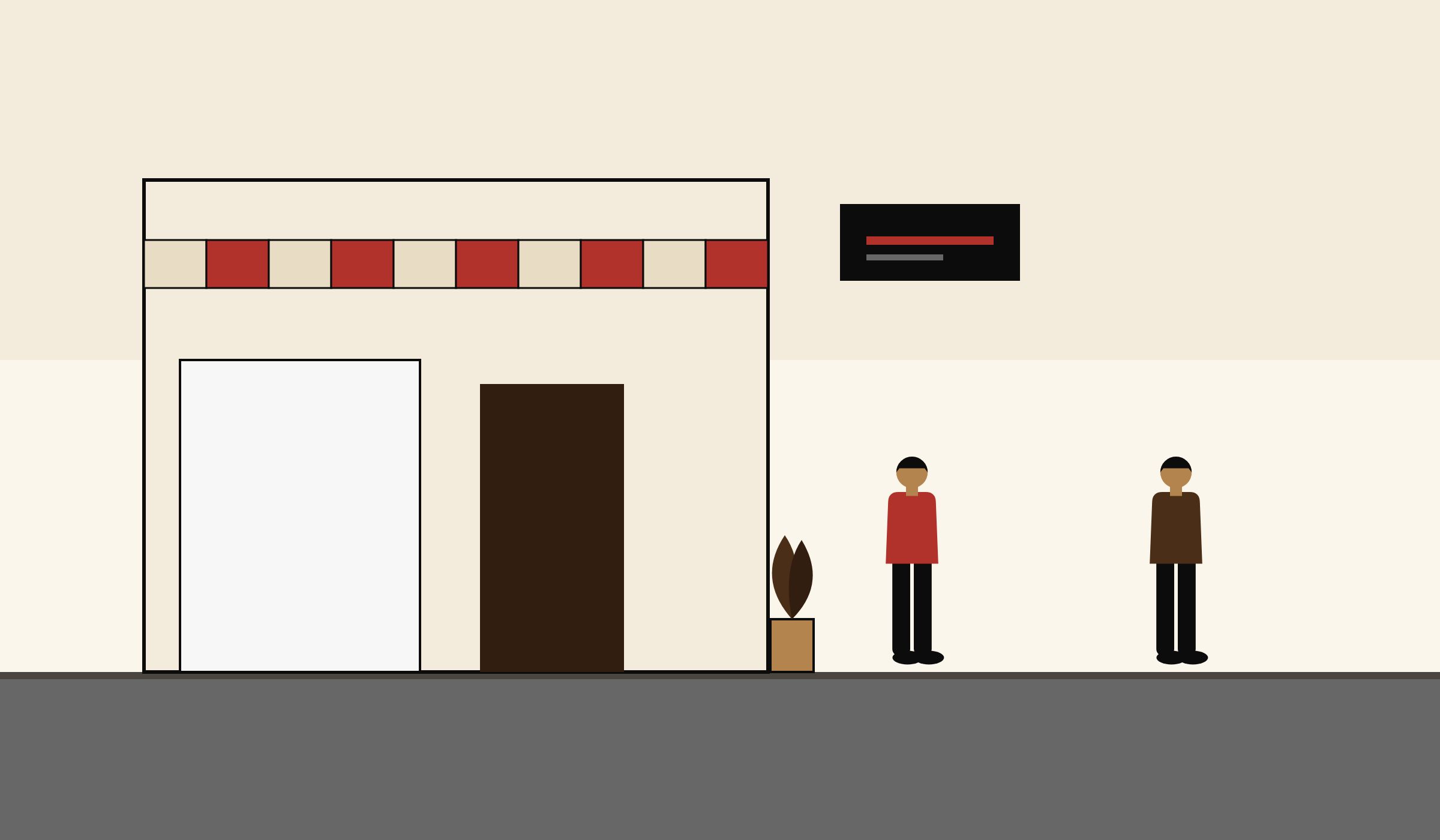
Think of it as a split estate. The coffee trade holds the deeds. It owns the little building, the plot it sits on, the address you can post a cheque to, the front door with a lock and a name that does not change when a platform reshuffles its algorithm overnight. What it does not own is footfall. The street outside is quiet. The trade built solid premises on a road nobody walks down, which is a very old way to go broke while owning everything in sight. The creators have the opposite problem and the opposite gift. They have drawn the crowd - the followers, the amplification, and disproportionately the blue tick that says a platform vouches for them - but they have pitched that crowd on rented ground. No walls, no deeds, no direct line to the customer that survives the landlord changing the locks. One estate is all property and no people. The other is all people and no property. This is the commercial thesis of the whole study, and it is almost embarrassingly simple: neither side owns both halves of the thing that makes money, and each side owns the exact half the other one lacks.
The instinct in a finding like this is to score it - to decide who is winning. That instinct is the mistake. The trade will read the creators' 80.5% free-email figure as proof of unseriousness, and the creators will read the trade's 2.3% verification as proof of irrelevance, and both readings are true and both are useless, because they describe two teams congratulating themselves for being tall while standing in different sports. Verification without a domain is a crowd you cannot bill. A domain without verification is a shop the crowd cannot find. The audience the creators command is the single asset the trade cannot manufacture with capital, because attention is not for sale at the wholesale desk. And the direct customer path the trade holds - the owned address, the website that answers to no algorithm - is the single asset the creators cannot conjure with reach, because you cannot rent your way to ownership no matter how loud the room gets. Strength here is not a ladder. It is a jigsaw, and each side is holding the other side's missing piece.
Which reframes the whole competitive posture the two populations have adopted toward each other. The trade tends to treat creators as noise - unpriced, unaccountable, faintly parasitic. Creators tend to treat the trade as slow - unloved, unfollowed, allergic to a camera. But rivalry between a party with property and no traffic and a party with traffic and no property is not rivalry. It is a merger waiting for someone to notice the terms are already written. The creator brings the crowd to the trade's front door; the trade gives the creator a wall to stand behind when the platform next decides to rewrite the rules of the room. Partnership is not the enlightened option here. It is the only structurally coherent one. Everything else is two landlords insulting each other across a street that only one of them can fill.
Q4 - why it matters now - answers itself. Platforms are getting hungrier and more capricious about the reach they lend, which means the creator's borrowed ground gets shakier every quarter, and the trade's owned domain gets more valuable in exact proportion. The window in which each side can acquire the other's strength cheaply, by cooperation rather than by expensive imitation, is the window that is closing. The trade could spend years and a fortune learning to be interesting. The creators could spend the same learning to be permanent. Or each could stop admiring its own reflection long enough to see that the missing half of its business is standing across the road, holding a deed or a crowd, wondering why the obvious deal keeps not getting done.
The coffee trade owns the property. The coffee creators own the crowd. The only people who lose in this arrangement are the ones still proud enough to insist that owning half of anything is the same as winning.