The Best Handovers Happen While the Machine Is Still Warm
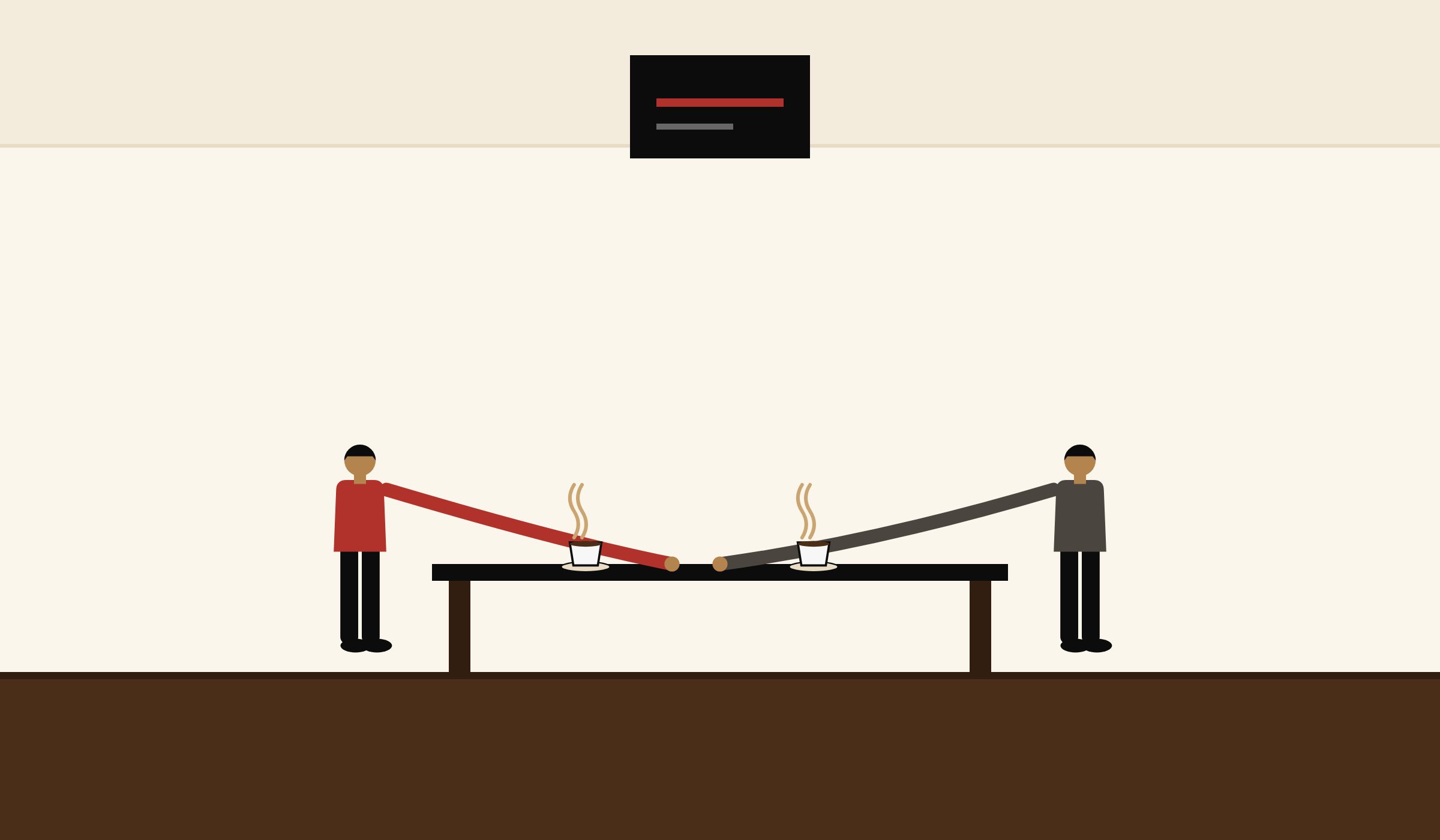
Most leadership changes carry a faint smell of smoke. Home Depot's does not. Ted Decker is stepping down, Richard McPhail is stepping up, and the thing being passed across the table is not a fire to be put out but a company that just posted third-quarter sales up 4.9 percent to $43.4 billion, comparable sales up 2.2 percent, and adjusted earnings of $3.86 a share against $3.74 a year earlier. Nobody is being pushed. If anything, the numbers are an argument for staying exactly where you are.
That is what makes the move worth studying. The default script for a succession is damage control - a board swapping drivers because the last one drove into a ditch. This is the opposite. Decker is handing over a business that is accelerating, and the successor is McPhail, the finance chief who has spent years knowing precisely where the money flows and where it leaks. As Yahoo Finance laid out, the handover lands in a quarter of real growth, not a quarter of excuses. The man taking the wheel already knew the engine's every noise.
Anyone who has worked a busy espresso bar understands why the timing matters. The hardest machine to hand to a new barista is a cold one - unprimed, the group heads at the wrong temperature, the grinder calibration gone, every first shot a gamble. The easiest is a machine already warm and dialled in, pulling clean shots in rhythm, where the new hand simply steps into a motion that is already working and keeps it going. You do not learn a bar during the morning rush with the boiler stone cold. You learn it when someone careful hands it over mid-service, still humming, and trusts you not to let it cool.
The insight for anyone building something is uncomfortable because it runs against instinct. We treat succession as an emergency valve, the thing you reach for when a leader fails or tires or falls out with the board. But the strongest handovers are deliberate transfers made from strength, timed to the warm machine rather than the cold one. Decker is leaving with the shots pulling clean, which means McPhail inherits momentum instead of a mess, and momentum is the one thing you cannot bolt on after the fact. A founder or a chief who waits for things to break before planning their exit is planning to hand someone a cold boiler and a lineup out the door.
There is a quieter lesson folded inside the louder one. The successor came from finance, from the part of the business that counts rather than the part that sells, and that choice says Home Depot values a steady hand on the gauges over a showman at the counter. Growth phases are won by people who can read pressure and temperature in real time, not by people who improvise and hope the crema hides the burn. McPhail has spent his career watching the gauges. Now he gets to pull the shots.
So the headline reads like any other executive reshuffle, and it is anything but. It is a company choosing to change hands at the one moment most companies refuse to - while everything works. The hard part of running a hot machine is never starting it. It is handing it to the next person without letting the heat drop. Home Depot just did it with the boiler still singing, and that, not the quarter, is the part worth stealing.