Pulling Two Shots at Once
The costliest word in strategy is "or," and a governor just said so out loud. Wes Moore is cautioning Democrats against shutting down the government over Iran war funding, arguing that Congress should be able to do both - fund the government and fight the war-spending battle - rather than treating them as a single on-off switch. Strip away the politics and you are left with a pure management lesson: the loudest fights are often built on a false choice that nobody paused to question.
The context is the familiar brinkmanship of a shutdown threat, where a disagreement over one line item gets escalated into a vote on whether the entire machine keeps running. The logic feels forced until you notice it was never actually forced at all. These are two separate questions - should the government stay funded, and how should war spending be handled - that have been welded into one lever so that pulling it feels like a decisive stand. Moore's intervention is simply the observation that the weld is artificial, and that the grown-up move is to unweld the two and handle each on its own terms.
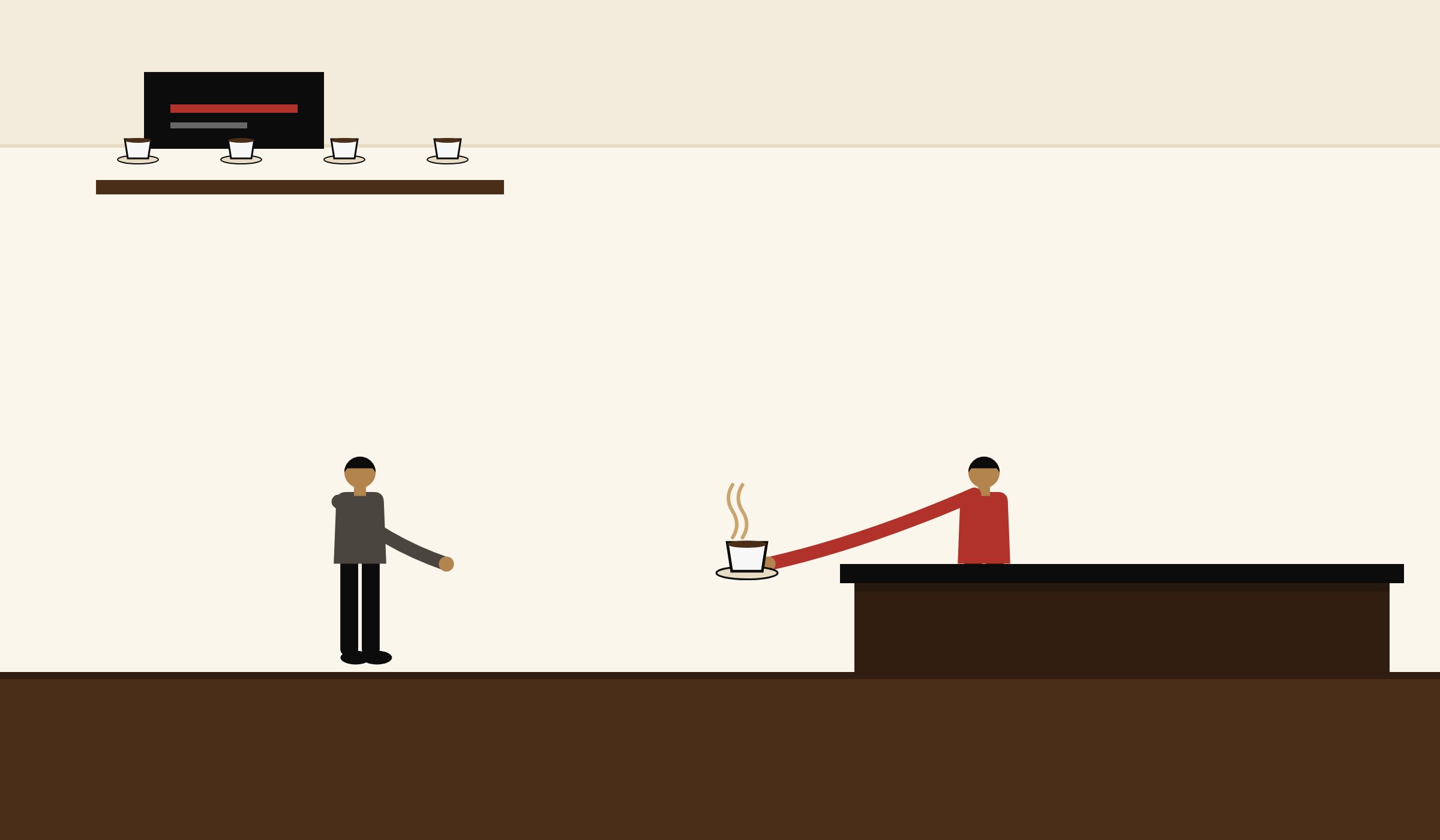
Here is the coffee of it. A café owner is told, in a heated moment, that they must either keep the lights on or renegotiate with a supplier they are furious at - as if the two could not possibly happen in the same week. So they consider shutting the whole shop to make a point about the supplier, and only later does someone ask the obvious question: why not keep serving coffee and have the supplier fight separately? The espresso machine does not need to go dark to win a pricing argument. The two things only looked like one switch because somebody, in the heat of it, mashed them together and dared everyone to pull.
The insight for a builder is that most high-stakes "either-or" decisions are smuggling in a false dilemma, and the sharpest operators train themselves to ask "why not both, separately?" before they accept the frame. Should we cut costs or invest in growth? Fire the underperformer or save the relationship? Hold the price or keep the client? Each arrives dressed as a binary, and each, examined coldly, often turns out to be two distinct problems that got stapled together because a stapled problem feels more dramatic than two quiet ones. The drama is the tell. A real either-or rarely needs to shout.
What Moore is modelling is the discipline of separating the decisions that have been bundled, so that a fight over one does not hold the other hostage, as Politico reported. You can wage the war-funding argument with full force and keep the government running at the same time, because they were only ever linked by a choice to link them. The win is not in picking a side of the false switch. The win is in refusing the switch and handling both tracks on their own merits.
So the usable move is to interrogate every binary that lands on your desk before you answer it. When someone presents a stark either-or, do not reach for a side - reach for the weld. Ask what two separate problems have been fused into this one lever, and whether the fusion is real or just rhetorical. More often than you would expect, the answer is that you can keep the café open and still win the supplier fight, and the only thing forcing the choice was the heat of the room.
Shutting the whole shop to make a point about one supplier is rarely strategy. It is theatre with a price tag. The operators who last are the ones who learned to pull two shots at once - keeping the machine running while they fight the battle that actually matters, instead of going dark to prove they were serious.