Leaving When the Last Cup Is Poured
There is an art to the timing of an exit, and it has nothing to do with the exit itself. Albertsons has named an interim general counsel as its top lawyer steps down - but the detail that matters is when. The departure comes at the conclusion of a billion-dollar merger trial, not in the middle of it, not before it, but at the exact moment the hardest work is finished. The job was seen through to the end first. The resignation is the full stop after the sentence, not an interruption of it.
Set the scene. A merger trial of that size is a legal campaign - months of filings, testimony, strategy, and nerve, with a company's future riding on the outcome and the general counsel standing at the centre of it all. Walking away mid-trial would have been abandonment; walking away before it would have been cowardice. Leaving as it concludes is something else - the clean exit of someone who understood that you do not put down a load until it is on the ground. As The Global Legal Post reported, the interim steps in precisely at the point the marathon ends, which tells you the departing lawyer timed the handover to the finish line rather than their own fatigue.
Anyone who has pulled a proper espresso knows the sin of the premature stop. The shot is running, the extraction is two-thirds through, and the impatient hand kills it early - leaving a thin, sour, under-developed cup because stopping felt easier than waiting out the last few seconds. The discipline is to let the shot finish, to hold your hand steady through the part where nothing seems to be changing, and only then set down the portafilter. The worst baristas quit the pour when it stops being interesting. The best ones leave the machine only when the cup is actually complete.
The insight for any builder is about the ethics of your own timing. It is tempting to leave a hard thing when the hard part gets boring or exhausting - to resign, to quit the project, to hand off the mess right when it is heaviest. But the exit that protects your reputation and the work itself is the one timed to completion, not to your own exhaustion. The general counsel who sees the trial through and then steps down leaves behind a finished shot, not a sour one, and hands the successor a clean machine rather than a half-pulled disaster. That timing is a gift to everyone who comes after.
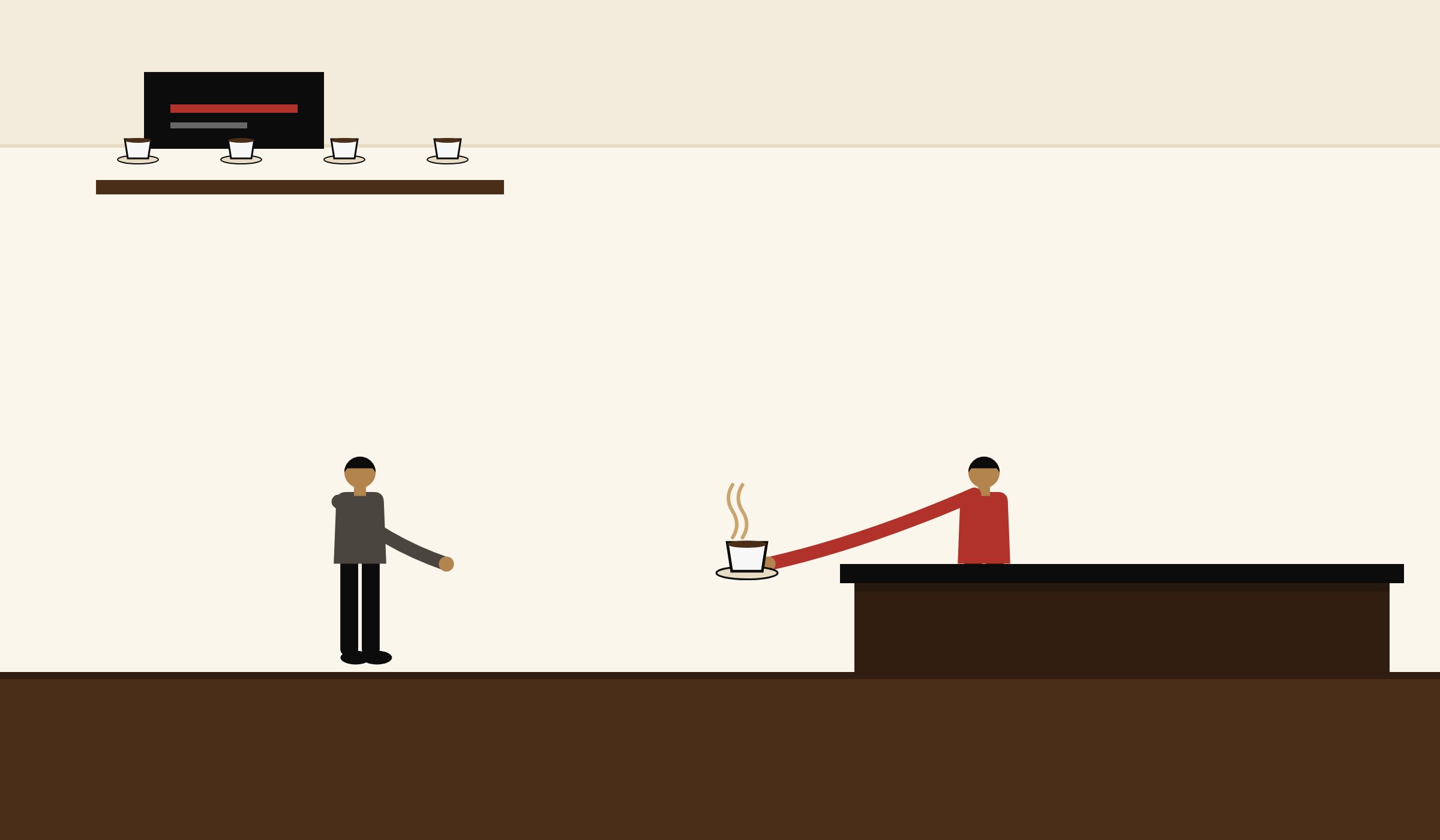
There is a succession benefit baked into finishing first, too. An interim stepping in after the trial inherits a resolved situation, not a live crisis, which means the transition is an orderly reset rather than an emergency scramble. Had the departure come mid-campaign, the successor would have been thrown onto a running machine with no idea where the extraction stood. Finishing the shot before you leave is not just personal honour - it is the single kindest thing you can do for whoever picks up the portafilter next.
So the headline is a routine legal reshuffle, and the lesson is in the clock. The departing lawyer did not quit when it got heavy; they carried the load to the finish and set it down. Leave when the cup is poured, not when your arm gets tired - because a shot killed early tastes of the exact moment you lost your nerve, and everyone who drinks it can tell.