Two Burnt Batches in a Month

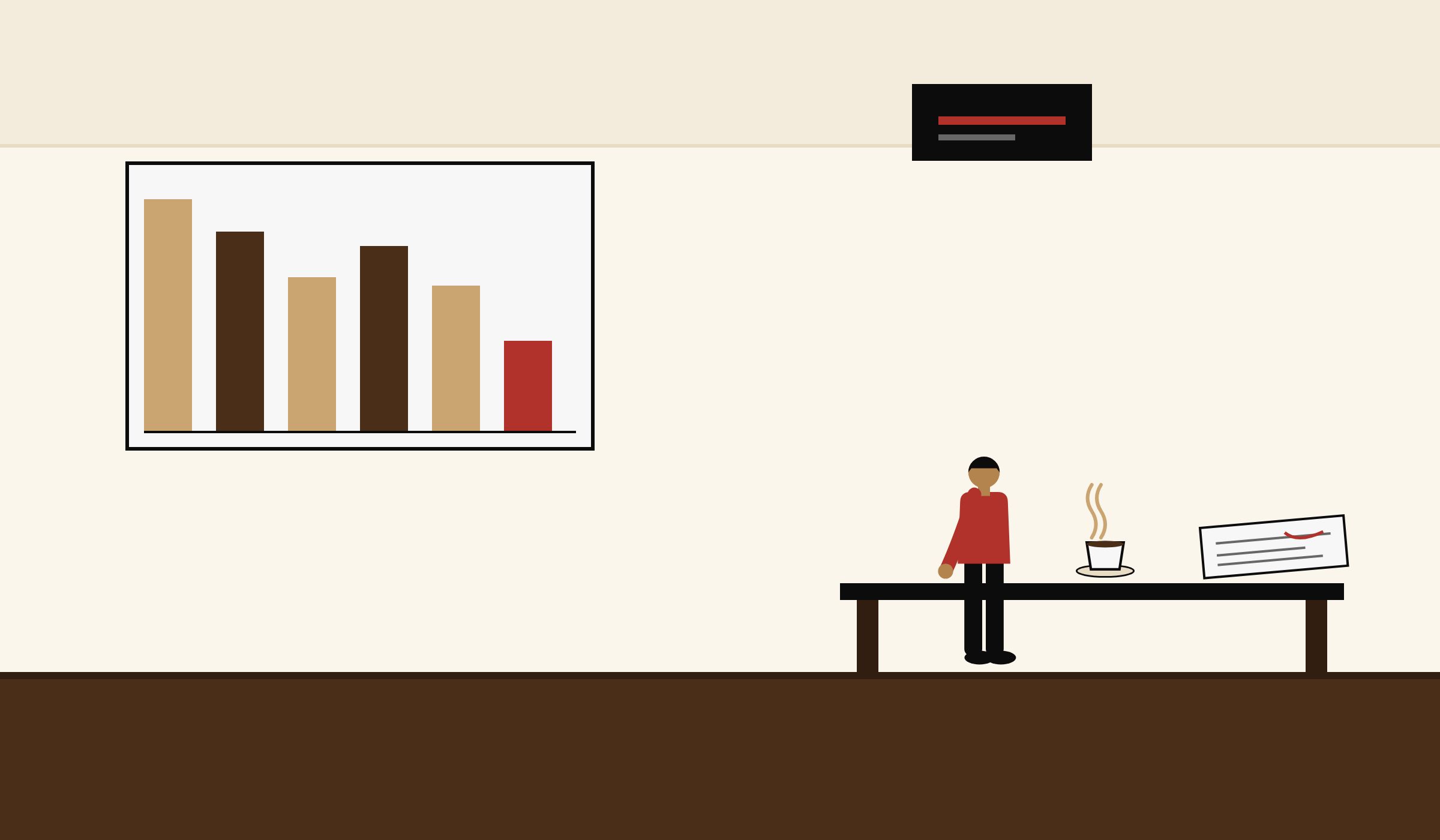
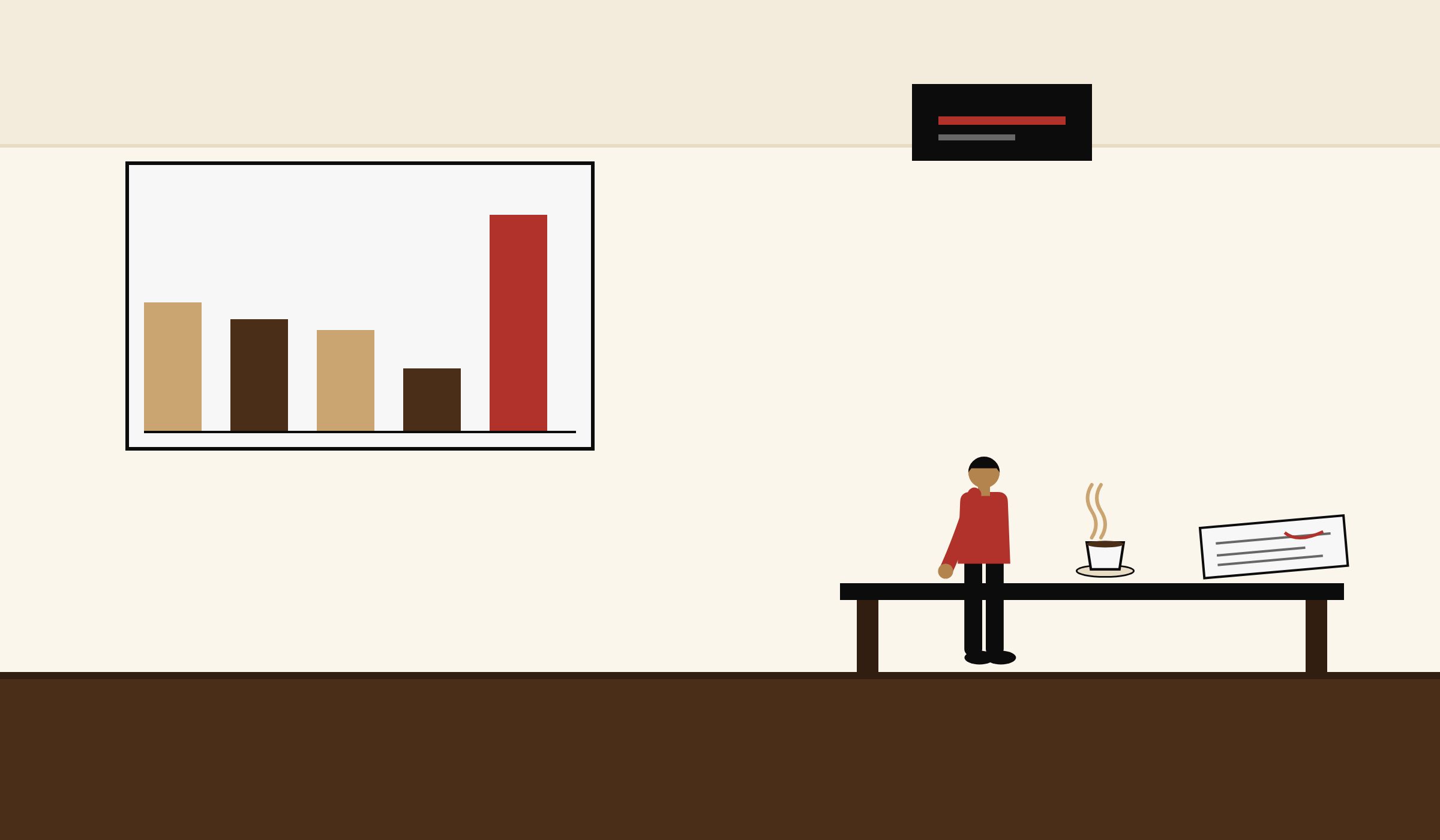
One burnt batch is an accident. A second burnt batch a month later is a question about the roaster. Cardinal Infrastructure was decimated by a severe third-quarter profit warning that landed barely a month after the company's last update, and the market reacted the way any regular would to a second scorched cup in thirty days - not with sympathy, but with a hard stare at whoever is working the machine.
The context is what makes the timing so brutal. A profit warning is always painful, but investors can usually forgive the first one as the world throwing something unexpected at an honest business. What they struggle to forgive is the gap. When a company updates the market, it is implicitly saying this is where we stand, we have looked at the books, you can plan around this. To come back a month later with a severe downgrade is to admit that the earlier look was either wrong or incomplete, and that is a different and more corrosive problem than a bad quarter. It is not the number that wounds. It is the speed at which the number fell apart after everyone had been told otherwise.
The coffee lens is the roaster who scorches a batch, apologizes, insists they have recalibrated, and then scorches the next one before the month is out. A single ruined roast is bad beans or a bad morning. Two in quick succession, right after a promise that it was handled, makes the customer wonder whether the person at the drum actually knows what the temperature gauge is telling them. Trust in a roaster is not built on never making mistakes. It is built on the belief that when they say they have fixed it, they have. Cardinal broke that belief in the cruelest way, by reassuring the room and then burning the very next batch. The write-up on Seeking Alpha called it a bombshell, and a bombshell a month after the all-clear hits harder than one that arrives cold.
The insight is that credibility and earnings are two separate accounts, and Cardinal just overdrew the one that matters more. The market can price a weak quarter in an afternoon. What it cannot quickly re-price is the discovery that management's visibility into its own business is unreliable, because every future statement now carries an invisible asterisk. The second warning did not just lower the forecast. It lowered the value of every forecast the company will ever issue again, which is a far more expensive thing to lose than a single quarter of profit.
And yet the same article that called it a bombshell also called it an interesting situation, which is the part worth holding onto. A business that has been decimated by its own credibility failure is sometimes priced for a collapse worse than the underlying reality - the burnt batch scares off the whole queue, and the roaster, chastened and cheap, may still have perfectly good beans in the hopper. That is not a reassurance so much as an observation about how markets overshoot when trust breaks. The regulars have walked out and the price board has been slashed. Whether Cardinal is a ruined roaster or a good one caught in a terrible fortnight is the question the brave will now spend real money answering. Either way, the lesson for everyone else is older than coffee itself - you can survive a burnt batch, but you had better not promise the next one is fine and then serve it black.