The Roaster Nobody Could Replace
When the world decides your beans are too strategic to import, the local roaster suddenly has a very good year. SMIC rose nearly 5% after its net profit attributable climbed 123.4% to $428.4 million, which is the sound of a company doing more than twice the business it did a year ago while the rest of the industry argues about who is allowed to sell what to whom. The number is large. The reason behind it is larger.
The context is the semiconductor cold war, which has quietly become the defining trade story of the decade. As the flow of the most advanced chips into China narrowed, demand did not evaporate - it had nowhere else to go but inward, and SMIC sits precisely where that redirected demand lands. China's largest contract chipmaker is not necessarily making the finest silicon on earth, and everyone involved knows it. What it is making is the silicon available, in volume, inside a border where the alternatives keep getting harder to obtain. A more than doubling of profit is what happens when you are the roaster in a town that just lost its imports.
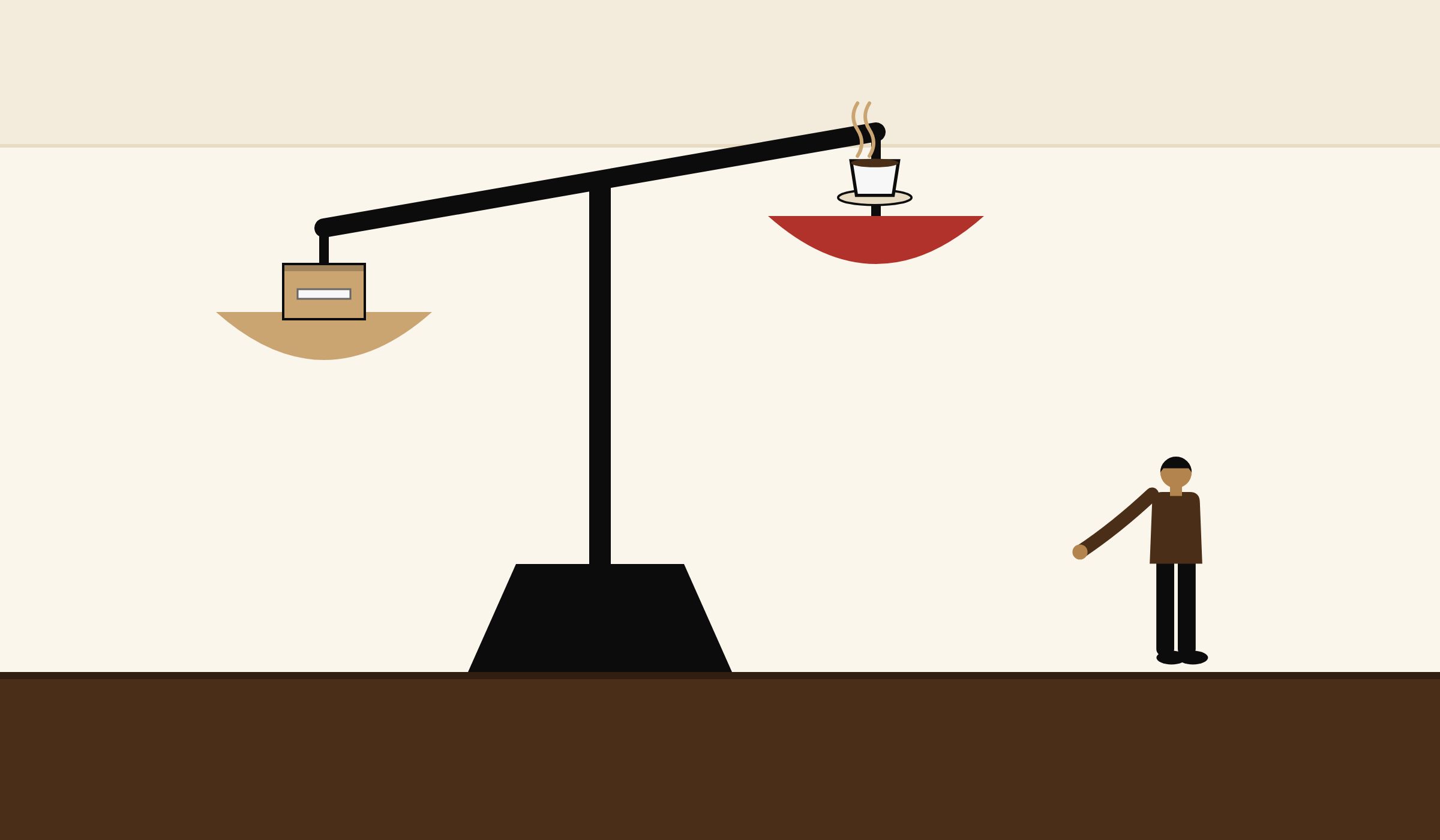
The coffee lens here is the house blend in a country that has stopped getting shipments of the fancy single-origin. When the imported Ethiopian is suddenly restricted at customs, the cafe down the road that roasts its own beans does not need to be the best roaster in the world. It needs to be open, stocked and roasting while everyone else stares at an empty shelf. Captive demand is the most flattering customer a roaster can have, because it does not shop around, it shows up. The reporting from Investing.com noted the earnings beat and the near-5% jump, and the market reaction is really a vote on how long that captive table stays full.
The insight is that scarcity elsewhere becomes a moat here. SMIC's 123.4% profit leap is less a story about engineering breakthroughs and more a story about geography and geopolitics rerouting an entire nation's orders onto one factory floor. That is a genuinely powerful position - demand that cannot defect, volume that cannot shop abroad, a roaster whose customers are not comparing cups because comparison has been taken off the menu. A business that grows because its product got twice as good is impressive. A business that grows because its competitors got locked out of the room is operating on a different kind of fuel entirely, and the fuel is called necessity.
The honest read is that this is real money and a real position, and $428.4 million is not a rounding error anyone waves away. SMIC is the roaster the whole town now depends on, and that dependence is worth more on the balance sheet than any tasting-notes rosette. The cup it serves does the job, the shelves behind it are stocked, and the queue out the door is not going anywhere while the import freeze holds. The only question worth asking is the one every monopoly-by-circumstance eventually faces - what happens to the roaster when the town finally learns to grow its own beans. For now, though, SMIC is pouring, the register is ringing, and nobody in the queue is leaving to check the shop next door, because there is no shop next door.