The Market Took One Sip and Winced
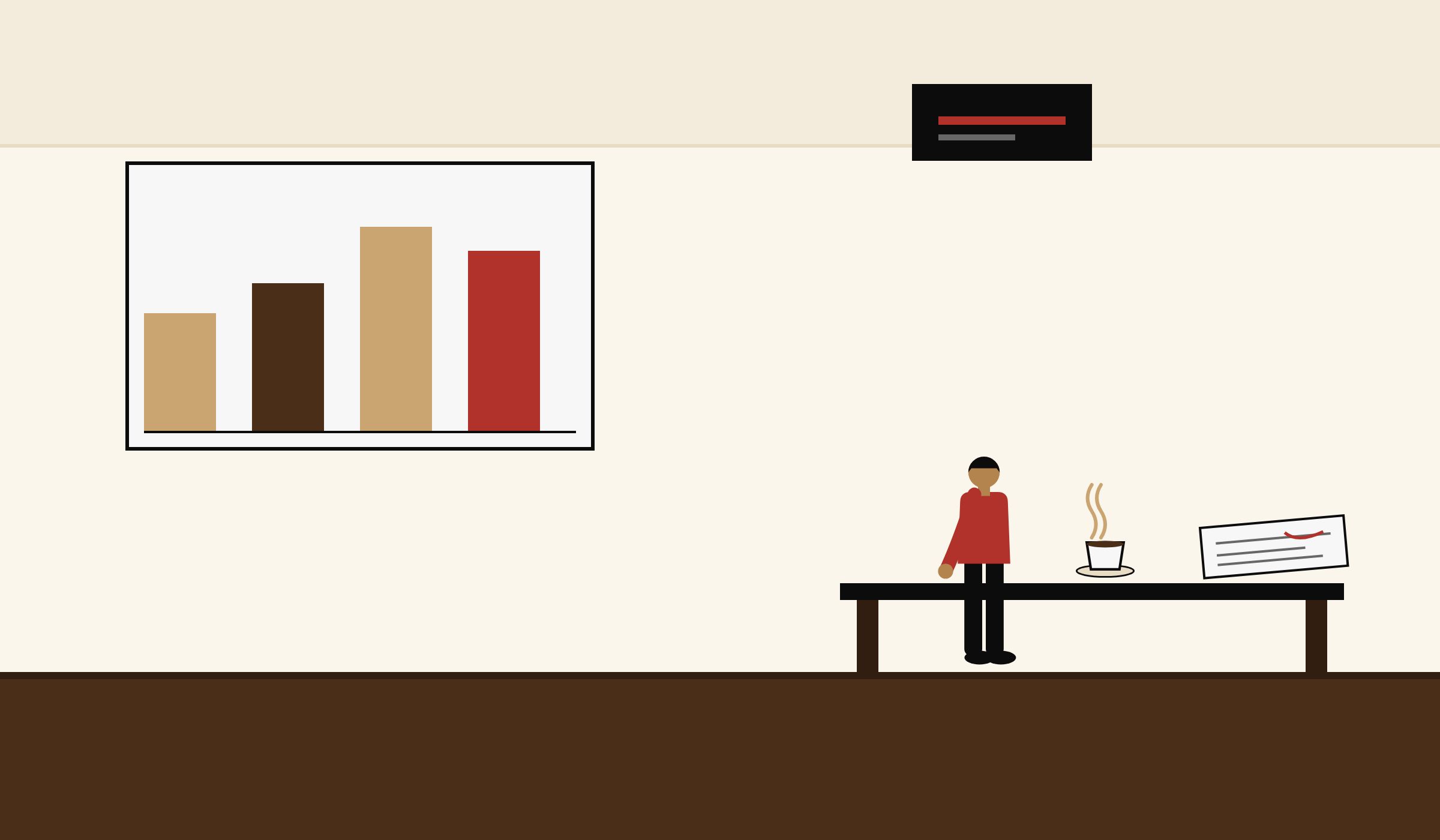
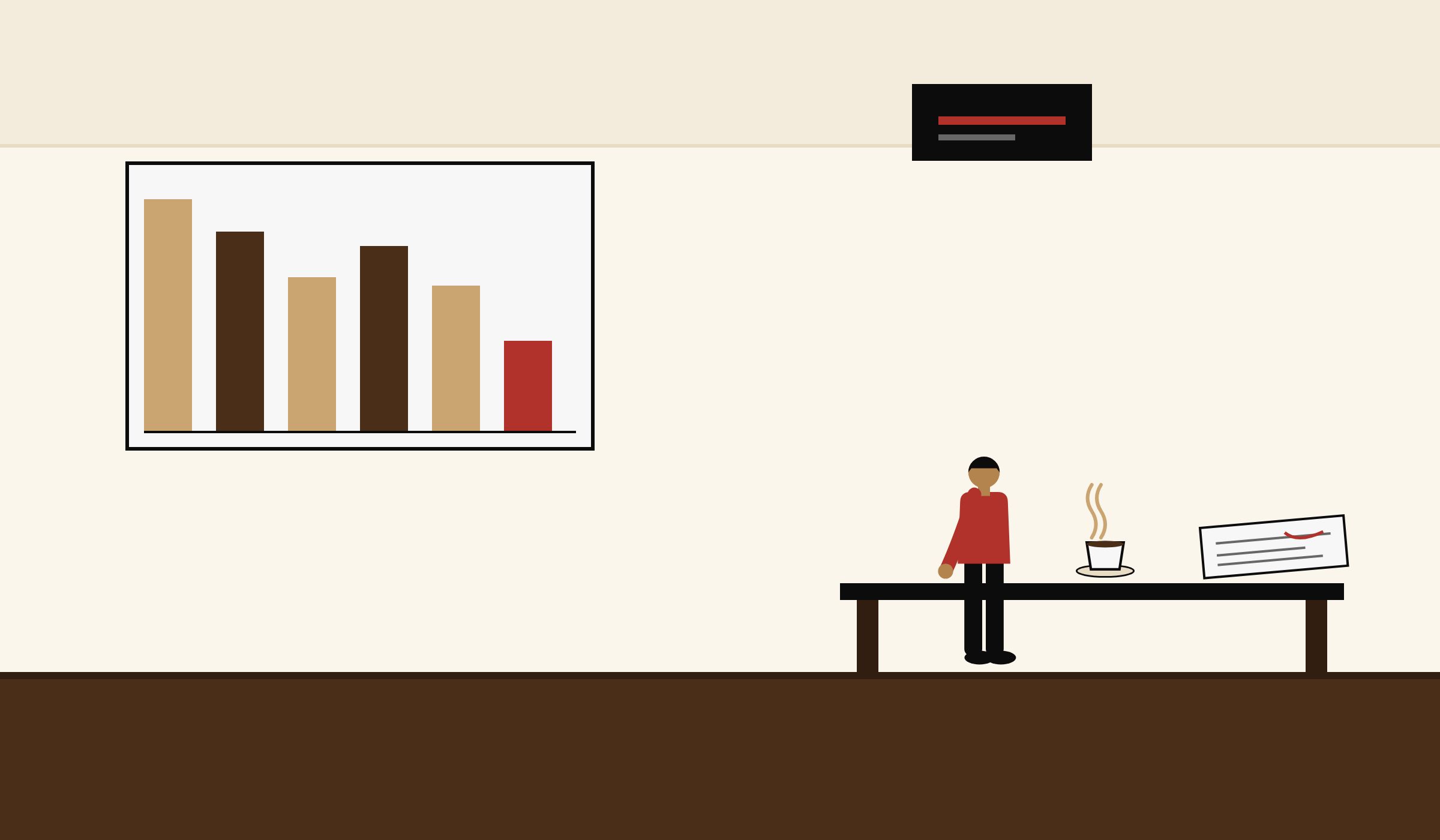
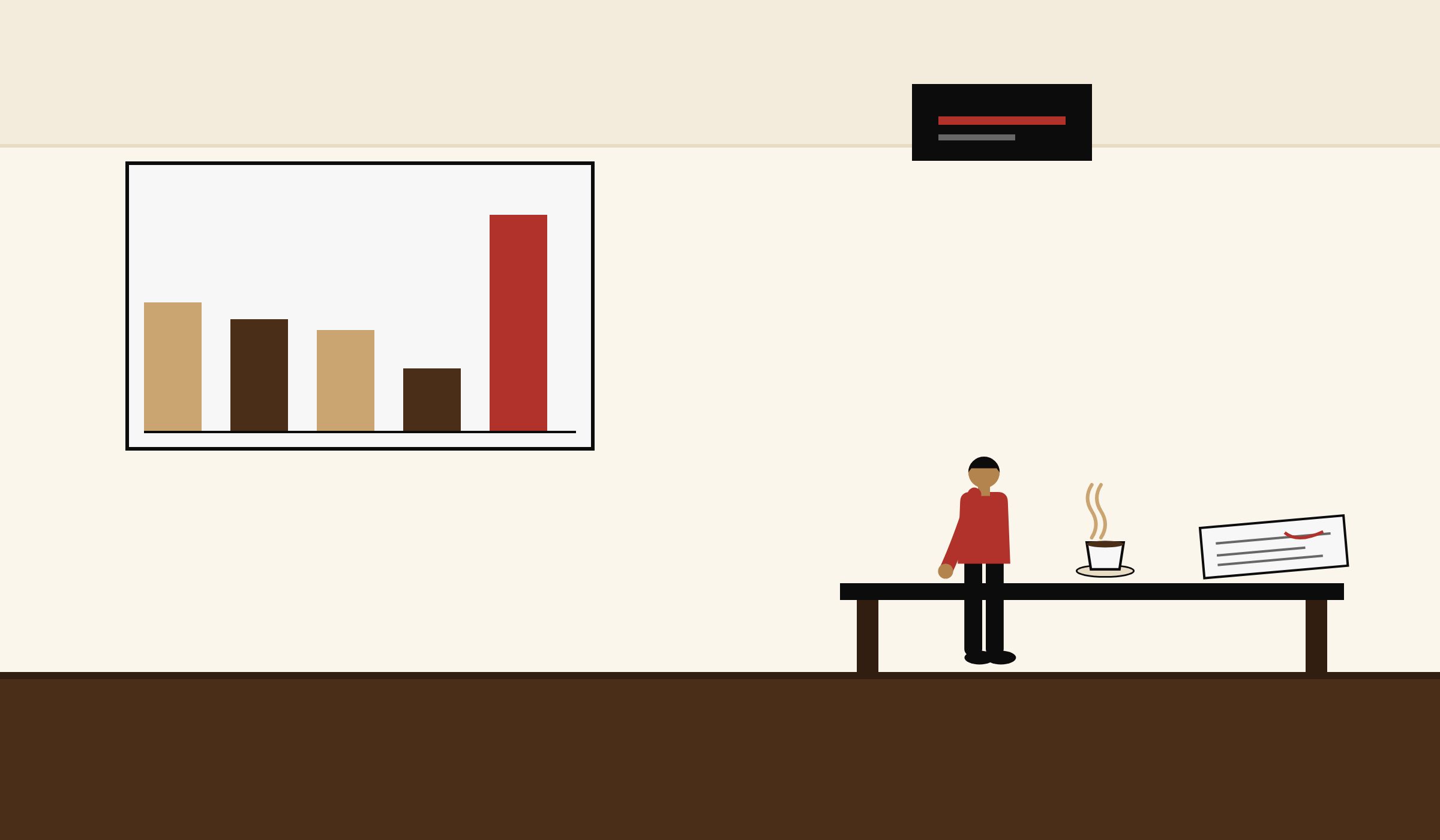
Markets, it turns out, have a palate, and this morning they tasted something gone off at the back of the cup. US stocks slipped after last month's inflation reading came in worse across the country than economists had expected, and the whole trading floor pulled the same face you make when a flat white arrives scorched. Nobody threw the cup across the room. Everybody just winced and set it down.
The number itself was not a catastrophe, which is precisely why it stung, as AP News reported alongside the day's slip. Economists had written the recipe in advance, measured their forecasts out to the gram, and the brew came back hotter and more bitter than the method promised. That gap - the distance between the cup you were told to expect and the cup that actually landed in front of you - is the only thing a market ever really trades on. Prices do not move on how warm the coffee is. They move on how warm you were told it would be.
Think about how a bad pour actually goes wrong. The beans are fine. The machine is fine. But the shot runs a few seconds long, the water drags too much out of the grounds, and what should have been bright comes out harsh and flat. Inflation is over-extraction at national scale. Leave the economy pulling a fraction too long and you draw out the bitter compounds nobody ordered - prices that climb past where the recipe said they would stop. The barista who promised you a clean cup is now standing there watching you taste the burnt edge of it, and no amount of explaining the roast profile fixes what is already on your tongue.
Here is the part worth keeping, because it travels well beyond trading screens. The market did not sell off because inflation existed. It sold off because inflation beat the forecast, and a beaten forecast is a broken promise. This is the quiet tyranny of expectations: you are never judged against reality, you are judged against the version of reality everyone agreed to pencil in beforehand. A cafe that charges four dollars and delivers a four-dollar cup keeps its customers. A cafe that quotes you three and rings up four has done something far more corrosive than overcharge - it has made you distrust the menu. Investors can stomach bad news. What curdles the whole room is news that was supposed to be good and quietly wasn't.
And that is why one modestly disappointing data point can cool an entire session. The slip was not about a single month's prices. It was the market recalibrating how much it can believe the next forecast, and the one after that, the way you start eyeing a barista sideways after the second scorched shot. Confidence is the crema on top - thin, fragile, and the first thing to collapse when the pull goes wrong. Once it breaks, the drink underneath might be perfectly drinkable and still nobody reaches for it.
The reading will be revised, the forecasts will be rewritten, and by next month the room will have talked itself into a fresh set of expectations to be disappointed by. That is the ritual. Markets keep ordering the same cup, keep being promised it will taste clean, and keep wincing when it doesn't. The inflation print was bitter, yes. But the real aftertaste was the reminder that on Wall Street nobody is grading the coffee - they are grading the barista who swore it would be sweet.